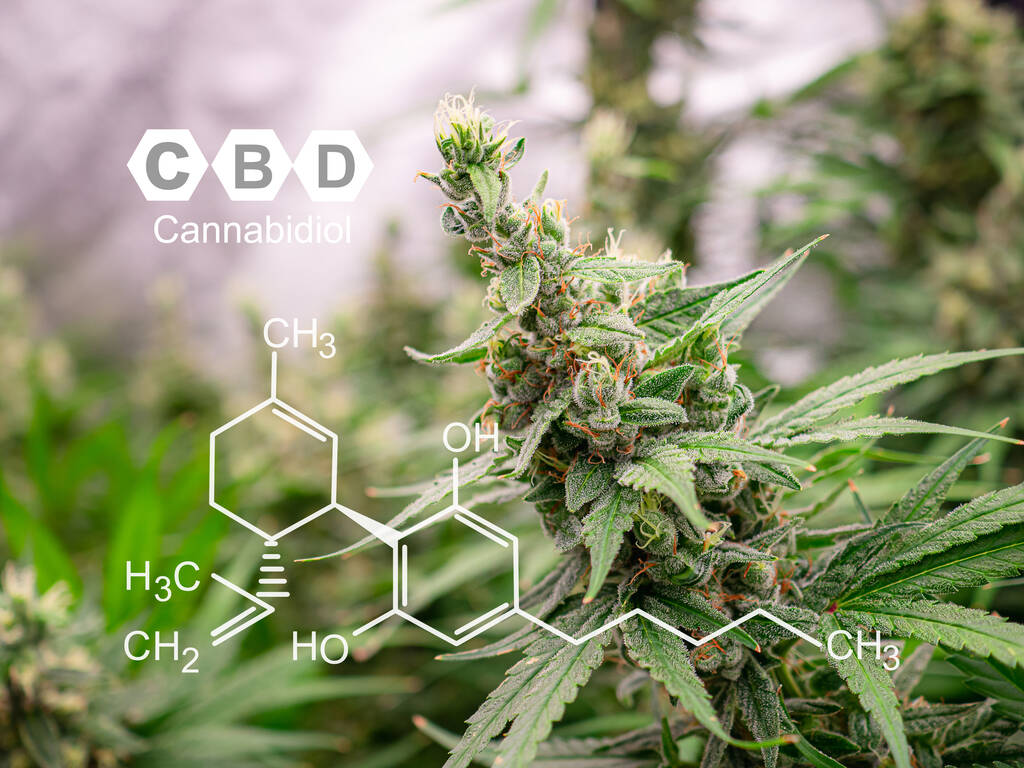
Cannabidiol (CBD) reduced several markers of inflammation and oxidative stress in laboratory-grown human brain cells, according to a new study published October 8 in the journal Scientific Reports.
The research, conducted by scientists at Rensselaer Polytechnic Institute in New York, found that CBD partially reversed inflammatory changes in microglia, the immune cells responsible for monitoring and protecting the brain, as well as in cultures containing neuron-like cells.
Researchers Daniel J. Yeisley, Katherine A. Ebbert, Robert A. Culibrk and Mariah S. Hahn examined how CBD affected human microglial cells exposed to two substances associated with neuroinflammation: interleukin-6 (IL-6) and extracellular adenosine triphosphate (eATP).
The researchers tested three CBD concentrations — 0.1, 1 and 5 micromolar — and compared their effects with those of dexamethasone, a corticosteroid used to reduce inflammation. Inflammatory proteins and enzymes associated with oxidative stress were measured after six and 24 hours.
The findings showed that CBD at a concentration of 1 micromolar reduced several inflammatory markers following stimulation.
After six hours, CBD treatment decreased levels of IL-6, vascular endothelial growth factor A (VEGF-A) and NOS2, an enzyme associated with inflammatory responses and oxidative stress.
After 24 hours, researchers observed reductions in interferon-gamma (IFNγ), interleukin-1 beta (IL-1β) and IL-6, suggesting that CBD’s anti-inflammatory effects extended across multiple signaling pathways.
The researchers then used the same CBD concentration in a more complex laboratory model combining human microglia with cortical neuron-like cells derived from induced pluripotent stem cells.
Inflammatory stimulation increased several proteins associated with inflammation and altered the balance of proteins involved in neuronal signaling.
After 24 hours of CBD treatment, levels of tumor necrosis factor-alpha (TNFα) and NOS2 in the neuron-like cells, along with the ratio of two proteins associated with synaptic function, were statistically indistinguishable from those observed in unstimulated cultures.
However, CBD did not reverse every inflammatory change. Levels of the complement protein C1q and soluble neuropilin-1 remained altered, indicating that the treatment’s effects were incomplete.
The findings add to growing evidence that CBD may influence inflammatory processes involving the brain’s immune system, potentially informing future research into neurological conditions associated with chronic inflammation.
The researchers emphasized that CBD only partially mitigated the changes observed in their experimental models. Because the study involved laboratory-grown cells rather than patients, the results do not establish whether CBD can treat neuroinflammatory disorders in humans.
The study received partial funding through grants from the National Institutes of Health. The authors reported no competing interests.