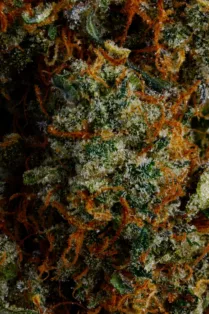
Missouri voters have overwhelmingly approved a constitutional amendment that significantly restricts lawmakers’ ability to overturn voter-approved laws, establishing new protections for the state’s medical and recreational marijuana legalization measures.
Amendment 6 passed Tuesday with 59.97% support, receiving 1,251,555 votes in favor compared to 835,585 against, according to election results reported with all 3,214 precincts counted.
The amendment requires at least 80% approval in both chambers of the Missouri Legislature before lawmakers can propose changes to laws or constitutional amendments enacted through citizen initiatives. Even if that threshold is reached, the proposed changes must then receive approval from voters in another statewide election.
For Missouri’s 163-member House of Representatives, that means at least 131 lawmakers would need to support placing changes before voters. In the 34-member Senate, at least 28 votes would be required.
The new restrictions are particularly relevant to Missouri’s marijuana laws, which were established directly by voters rather than through legislation.
In 2018, Missouri voters approved Amendment 2, legalizing medical marijuana and establishing a regulated system for qualifying patients. Four years later, voters approved Amendment 3, legalizing recreational marijuana for adults 21 and older and establishing a framework for licensed commercial cultivation, processing and sales.
Both measures amended the Missouri Constitution, meaning lawmakers already needed voter approval to change their core provisions. Amendment 6 adds another major obstacle by requiring an extraordinary legislative supermajority before lawmakers can even submit proposed changes to voters.
The protections apply to citizen-approved initiatives dating back to January 1, 2010, placing both marijuana legalization measures within the amendment’s intended scope.
In addition to restricting legislative interference, Amendment 6 establishes the initiative and referendum process as a fundamental constitutional right and prohibits lawmakers from weakening those powers.
The amendment also authorizes courts to revise misleading ballot summaries and preserves Missouri’s existing signature collection requirements and simple-majority threshold for approving citizen initiatives.
Supporters argued that the changes were necessary after repeated attempts by lawmakers to alter policies directly approved by voters.
One prominent example occurred in 2025, when Missouri lawmakers repealed voter-approved paid sick leave requirements and eliminated future inflation adjustments to the state’s minimum wage, just months after voters approved those protections.
Under Amendment 6, lawmakers would no longer be able to make comparable changes to voter-approved statutes through the ordinary legislative process.
Opponents, including business groups and Republican lawmakers, argued that the measure would make it unnecessarily difficult to correct problems with voter-approved laws and significantly restrict the Legislature’s authority.
The amendment could still face legal challenges, particularly over whether its protections can apply to initiatives approved before its passage. Missouri’s Supreme Court previously allowed the measure to appear on the ballot but left certain constitutional questions unresolved.
For Missouri’s marijuana industry and consumers, the result creates an additional layer of protection around the voter-approved legalization framework, making it substantially more difficult for future legislatures to restrict or repeal the existing laws without broad bipartisan support and another vote of the people.