Nearly seven years after Canada legalized recreational marijuana, a new report shows the industry has become a major driver of economic growth, generating tens of billions in GDP, creating jobs, and helping shift consumers away from the illicit market.
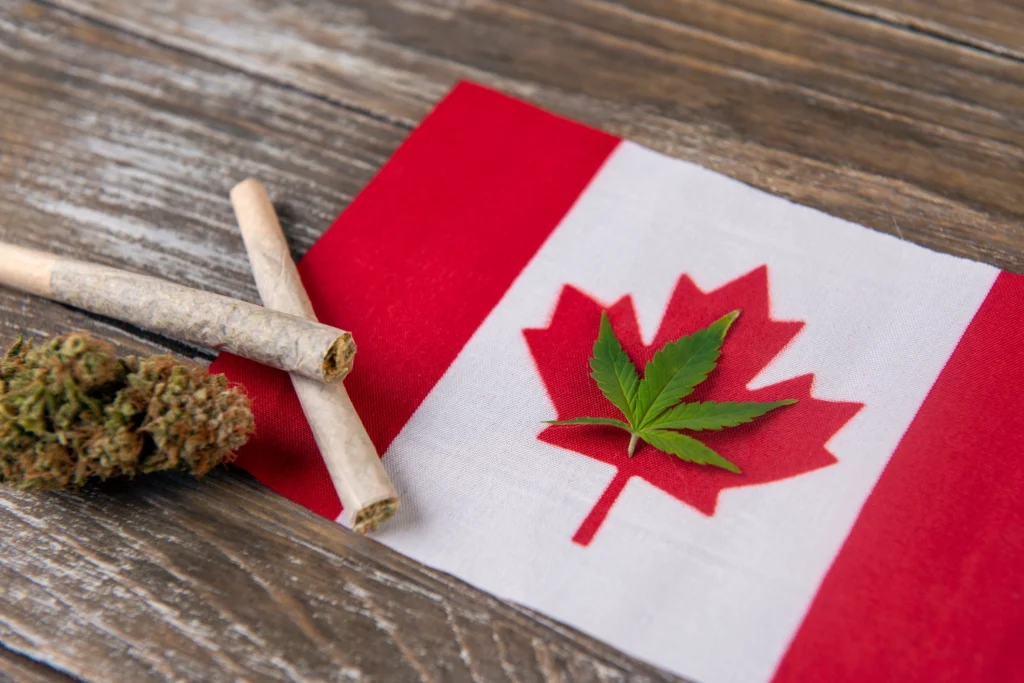

Between 2018 and 2024, Canada’s legal marijuana sector contributed an estimated $76.5 billion to the nation’s gross domestic product, including $23.1 billion in Ontario alone. Nationwide, the industry supported about 98,200 jobs annually, with 31,900 of those in Ontario. Labour income totaled $43 billion across Canada during the period, with $14 billion earned in Ontario.
Legal marijuana sales reached $28.7 billion over the six-year span, with recreational products accounting for nearly 87% of purchases. Ontario represented more than a third of the national market, generating $11 billion in combined recreational and medical sales. The report notes that this growth has been largely driven by the regulated sector’s success in drawing consumers away from illegal sources.
Capital investment was especially strong in the early years after legalization, as companies built out greenhouses, processing facilities, and distribution networks. From 2018 to 2024, capital expenditures totaled $42 billion nationwide, including $11.6 billion in Ontario, though annual spending has slowed in recent years as the market matured and businesses shifted focus to profitability.
The tax impact has also been significant. The industry generated $29.6 billion in government revenue across Canada between 2018 and 2024, including $5.3 billion for Ontario. These revenues come from sales and excise taxes as well as direct, indirect, and induced tax contributions from producers, retailers, and employees.
The report includes a case study on Mississauga, Ontario, which initially opted out of allowing retail stores before reversing course in 2023. Within a year of opening its first legal stores, the city saw 40 retailers generate $24.1 million in wholesale sales. By March 2025, the number of stores had grown to about 60, with cumulative sales topping $69 million. Surveys found the share of consumers buying entirely or mostly from legal sources jumped from 62% before the change to 80% nine months later, while illicit market purchases fell from 22% to 11%. Importantly, overall consumption rates remained stable, with no significant increase in use following the expansion of legal retail access.
Beyond direct economic benefits, the report highlights the industry’s broader impacts—supporting related sectors like transportation, utilities, and professional services, fostering innovation in cultivation technology, and strengthening Canada’s position as a global leader in the legal marijuana market. However, it also identifies challenges, including underrepresentation of equity-deserving groups and barriers to Indigenous participation, often linked to access to capital and regulatory complexity.
The authors conclude that Canada’s marijuana industry has not only delivered substantial economic returns but also shown potential to advance social and community benefits, provided that policymakers address inclusion and accessibility in the years ahead.
Sponsors: