According to a new report from Persistence Market Research, the global legal cannabis market is valued at $38.7 billion in 2025, and it’s projected to nearly quadruple to $141.2 billion by 2032.
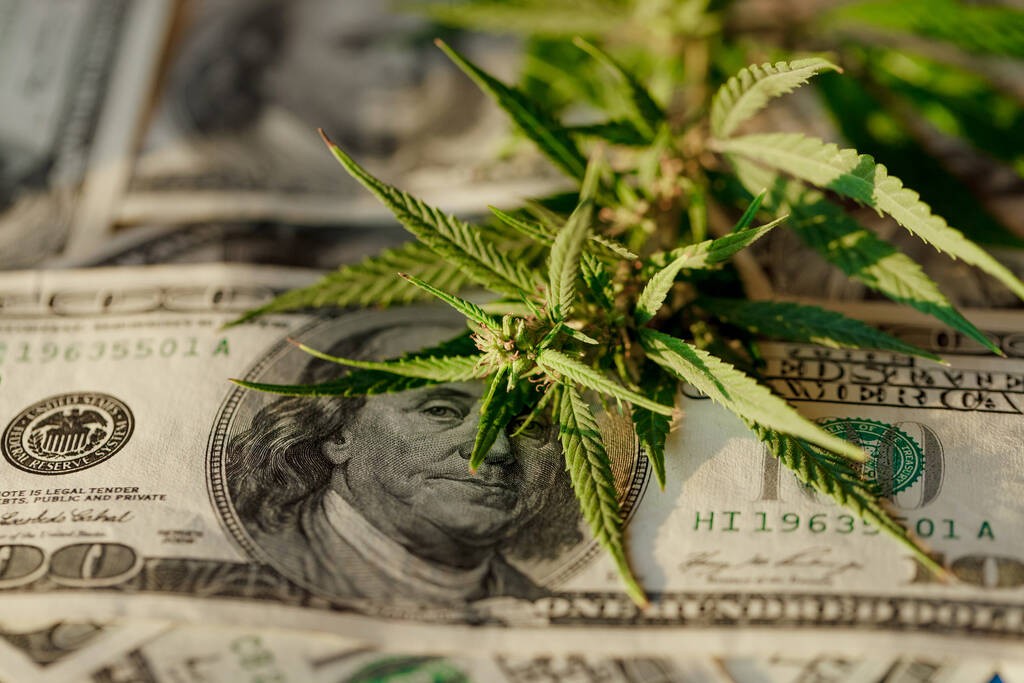
This expansion is being fueled by a combination of factors: ongoing legalization across multiple regions, rising consumer acceptance, and growing demand for medical marijuana treatments targeting conditions such as chronic pain, anxiety, and neurological disorders. The report notes that between 2019 and 2024, the industry already posted an annual growth rate of nearly 20%, a trend that is expected to accelerate in the coming years.
North America continues to dominate the global market, accounting for nearly 68% of total revenue in 2025 according to the report. Mature policy frameworks in the United States and Canada, where adult-use and medical programs are well established, remain the driving force. Europe is forecast to be the fastest-growing region, led by Germany’s recent decision to legalize recreational marijuana and expanding medical programs across the continent.
Medical applications remain the largest segment, representing about 71% of market revenues. Dried flower products are expected to maintain their lead with 51% of sales, although oils, concentrates, edibles, and beverages are gaining ground quickly, particularly among wellness-focused consumers. The report also highlights growth in niche markets such as pet therapeutics and biosynthetic cannabinoids like CBN and CBG.
Major players including Curaleaf, Canopy Growth, Trulieve, Tilray, Aurora, Glass House, Verano, and Green Thumb are expanding cultivation, research, and product portfolios to compete in this increasingly global marketplace, notes the report. Strategic mergers, pharmaceutical partnerships, and new product launches—particularly in edibles, beverages, and medical formulations—are expected to shape competition moving forward.
While regulatory inconsistencies and financial exclusion continue to present challenges, particularly for smaller businesses, innovations in cultivation, product standardization, and technology-driven compliance are strengthening the industry’s foundation. With consumer demand broadening and international reforms advancing, the legal marijuana market is positioned to become a central pillar of the global healthcare and wellness economy by the next decade.
Sponsors: