A study published in the Journal of Opioid Management finds that patients who use marijuana require fewer opioids during surgery than nonusers, while showing no differences in other anesthesia-related needs.
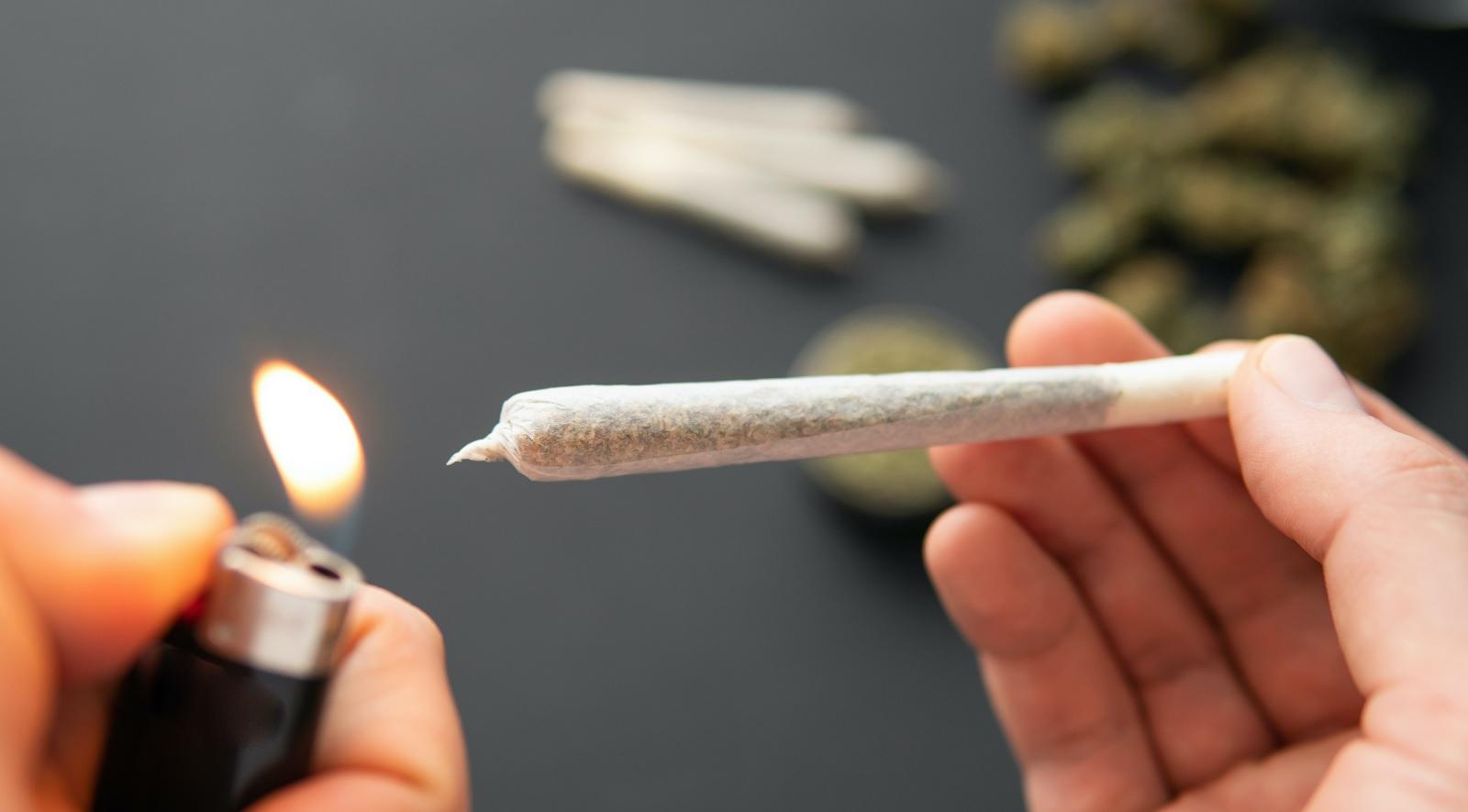
Researchers from Wake Forest University School of Medicine and Temple University conducted a retrospective chart review of 570 patients who underwent surgery with general anesthesia. Patients were divided into self-reported marijuana users and nonusers, with groups case-matched by age, gender, weight, and procedure.
The findings show that marijuana users needed significantly less intraoperative opioids, averaging 27.2 morphine milligram equivalents (MMEs), compared to 31.3 MMEs for nonusers. The difference remained statistically significant after adjustments for racial differences. However, no meaningful differences were observed in intraoperative propofol use (242.2 vs. 257.8) or in postoperative opioid requirements (7.3 vs. 8.0), with p-values indicating no statistical significance.
According to the authors, these results highlight the potential for chronic marijuana use to alter surgical opioid requirements. They note that while preoperative screenings typically ask about substance use, they rarely address frequency or duration of marijuana use. The study suggests that collecting more detailed information could help anesthesiologists and surgeons better anticipate patients’ opioid needs in the operating room.
For more information on this study, click here.
Sponsors: