President Donald Trump has signed an executive order directing the U.S. Department of Justice to officially reclassify marijuana to Schedule III of the Controlled Substances Act, marking the most significant change in federal marijuana policy since 1970.
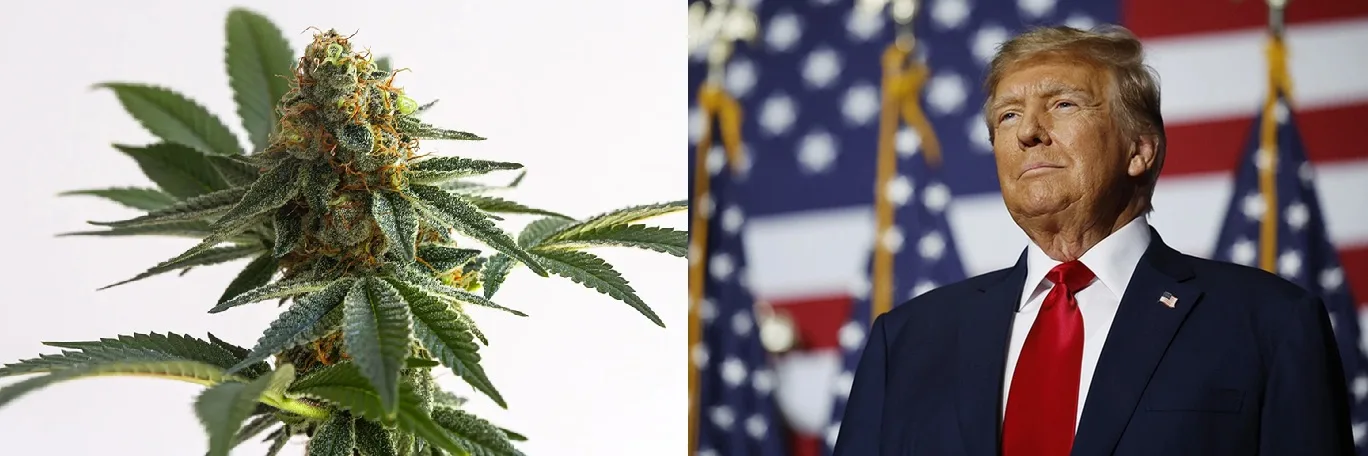
The order, which Trump called “common sense”, revives a rescheduling process that began under the former Biden administration but ultimately stalled without final action. Under Trump’s directive, DOJ and DEA are instructed to publish a final rule moving marijuana from Schedule I to Schedule III and to bypass the administrative hearing process that typically precedes such changes, accelerating implementation.
While the move wouldn’t legalize marijuana, it would have wide-reaching implications. Reclassifying marijuana to Schedule III would formally recognize its medical value under federal law, allowing FDA-approved cannabis-derived medicines to be prescribed nationwide (currently only products with CBD and synthetic THC are allowed).
Rescheduling will also significantly expand research by easing long-standing federal restrictions that have limited clinical trials, especially human trials.
For medical marijuana businesses, the shift provides meaningful protections and regulatory clarity, even without full legalization. Companies operating in state-legal markets would face fewer federal conflicts, including being allowed to take standard IRS tax deductions.
During a signing ceremony, Trump said the move “has been requested by American patients suffering from extreme pain, incurable diseases, aggressive cancers, seizure disorders, neurological problems and more, including numerous veterans with service-related injuries and older Americans who live with chronic medical problems that severely degrade their quality of life.”
The executive order signals a decisive break from decades of federal prohibition policy, repositioning marijuana within the nation’s drug framework while leaving broader legalization questions to Congress and the states.
According to a senior advisor to President Trump, he also plans to establish a commission to study the potential descheduling of cannabis, with an announcement expected before summer. Descheduling cannabis would effectively end cannabis prohibition nationwide.




