By John Carmichael
A look at the differences between CBD gummies and THC gummies.

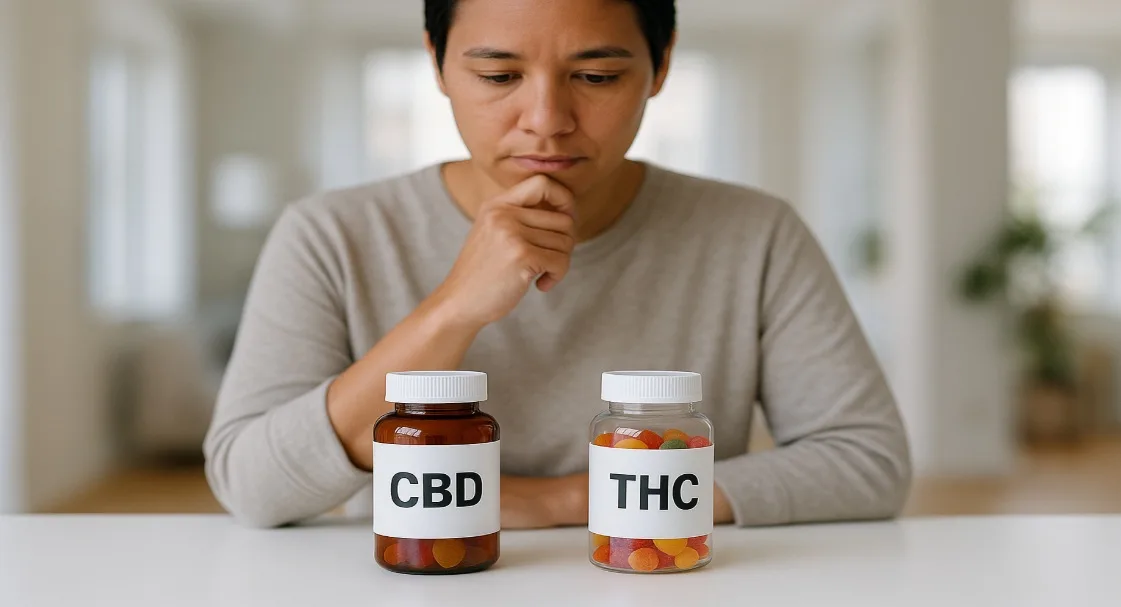
CBD and THC gummies are both popular forms of cannabis edibles, but they offer very different experiences due to their distinct chemical compositions and effects on the body. Understanding these differences is crucial for consumers to make informed choices based on their desired outcomes.
For those specifically interested in THC edibles, knowing where to find reliable products is important. For instance, thc gummies UK represents a category of products available in certain regions, highlighting the specific type of cannabinoid present. This distinction is not just about the name; it’s about how each compound interacts with the body’s systems, leading to unique physiological and psychological responses.
What are CBD Gummies?
CBD gummies contain cannabidiol (CBD), which is a non-intoxicating compound found in the cannabis plant. Unlike THC, CBD does not produce a “high” or psychoactive effects. Instead, users often report feeling a sense of calm, relaxation, or relief from discomfort.
CBD interacts with the body’s endocannabinoid system (ECS) in a different way than THC. It primarily influences the ECS indirectly, modulating its receptors and enzymes to promote balance within the body. This interaction is believed to contribute to CBD’s potential therapeutic benefits without altering mental state.
What are THC Gummies?
THC gummies contain tetrahydrocannabinol (THC), the primary psychoactive compound in cannabis. THC is responsible for the “high” associated with cannabis use, producing effects such as euphoria, altered perception, and relaxation.
THC directly binds to cannabinoid receptors in the brain and central nervous system, particularly CB1 receptors. This direct interaction is what causes its intoxicating effects. The intensity and nature of the high can vary depending on the dosage, individual tolerance, and the specific strain of cannabis from which the THC was derived.
Key Differences in Effects
The most significant difference between CBD and THC gummies lies in their psychoactive properties. CBD gummies do not cause intoxication, making them suitable for individuals who want to avoid a high. Users typically seek CBD for its potential to alleviate stress, improve sleep, or manage pain without affecting cognitive function.
THC gummies, on the other hand, are consumed for their intoxicating effects. They can induce euphoria, alter sensory perception, and may lead to changes in mood and cognition. The experience can range from mild relaxation to intense psychoactive effects, depending on the dose.
Legal Status and Regulations
The legal status of CBD and THC gummies varies widely across different regions and countries. In many places, CBD products derived from hemp (with less than 0.3% THC) are legal, while THC products remain restricted or illegal. This distinction is crucial for consumers to understand before purchasing or using these products.
Regulations often dictate the maximum allowable THC content in CBD products to ensure they remain non-intoxicating. For THC gummies, legal markets typically have strict rules regarding potency, labeling, and sales to adults. It is essential to be aware of local laws to ensure compliance.
Dosage and Consumption
Both CBD and THC gummies are consumed orally, meaning they are processed through the digestive system. This results in a delayed onset of effects compared to inhalation. For both types of gummies, effects typically begin within 30 minutes to 2 hours and can last for several hours.
However, dosage considerations differ. With CBD gummies, users often start with a low dose and gradually increase it until they find their desired effect. There is less risk of an overwhelming experience due to the non-intoxicating nature of CBD. For THC gummies, precise dosing is critical due to the psychoactive effects. Starting with a very low dose and waiting for the full effects to manifest before consuming more is highly recommended to avoid overconsumption.
- Key differences in effects and usage:
- Psychoactivity: THC is psychoactive, CBD is not.
- Onset Time: Both have delayed onset (30 min – 2 hours) due to oral consumption.
- Duration: Both can last for several hours (4-8+ hours).
- Primary Use: THC for recreational high, CBD for therapeutic benefits without intoxication.
- Dosage Control: THC requires more careful titration due to potency; CBD is more forgiving.
- Potential Side Effects: THC can cause anxiety/paranoia; CBD generally has milder side effects.
- Interaction with Medications: Both can interact with medications, but THC’s psychoactive nature adds complexity.
- Legal Status: Varies significantly; CBD from hemp is often more widely legal.
- Metabolism: Both are metabolized by the liver, but THC converts to a more potent form (11-hydroxy-THC).
- Product Availability: THC products are typically found in regulated cannabis markets; CBD products are more broadly available.
Potential Benefits and Uses
CBD gummies are often used for their potential therapeutic benefits, which may include:
- Pain management: Reducing chronic pain and inflammation.
- Anxiety and stress relief: Promoting a sense of calm and reducing anxious feelings.
- Sleep improvement: Aiding in relaxation and improving sleep quality.
- Anti-inflammatory properties: Helping to reduce inflammation throughout the body.
THC gummies are primarily used for recreational purposes due to their psychoactive effects, which can include:
- Euphoria and mood elevation: Creating feelings of happiness and well-being.
- Relaxation: Inducing a sense of calm and physical relaxation.
- Altered perception: Changing how users perceive time, sounds, and colors.
- Appetite stimulation: Increasing hunger, often referred to as “the munchies.”
Side Effects and Risks
While generally well-tolerated, both CBD and THC gummies can have side effects. CBD side effects are typically mild and may include drowsiness, dry mouth, and changes in appetite. These are usually dose-dependent.
THC side effects can be more pronounced and include anxiety, paranoia, impaired coordination, dry mouth, red eyes, and increased heart rate. Overconsumption of THC gummies can lead to an uncomfortable and intense experience, sometimes referred to as “greening out.” It is important to start with a low dose and be aware of individual tolerance levels.
Final thoughts
CBD and THC gummies offer distinct experiences driven by their unique chemical properties. CBD provides non-intoxicating effects often sought for therapeutic benefits, while THC delivers psychoactive effects for recreational use. Understanding these fundamental differences, along with legal considerations, proper dosing, and product quality, is essential for making informed and safe choices.
Sponsors: