
By John Carmichael
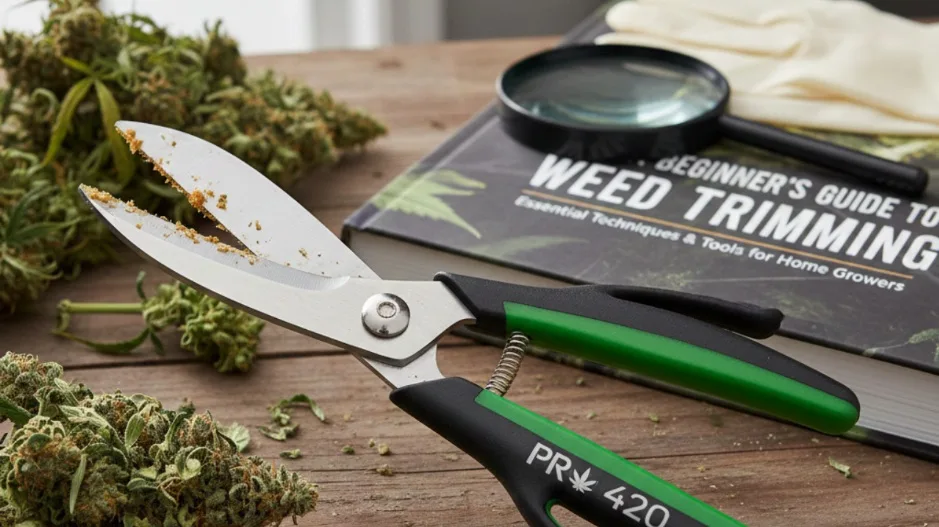
Whether you’re cultivating cannabis plants at home or simply preparing flower for personal use, having the right trimming scissors makes a significant difference in both efficiency and results. Trimming tools might seem like a simple purchase, but understanding the different types, features, and maintenance requirements helps you choose scissors that make the task easier and more enjoyable.
This guide covers everything beginners need to know about selecting, using, and maintaining trimming scissors for cannabis preparation.
Why Specialized Trimming Scissors Matter
You might wonder why regular household scissors won’t work for trimming cannabis. While any scissors can technically cut plant material, specialized trimming scissors offer distinct advantages that become apparent once you start working with sticky, resinous buds.
The Resin Challenge
Cannabis flowers produce sticky trichomes containing cannabinoids and terpenes. This resin quickly accumulates on scissor blades during trimming, causing regular scissors to gum up, stick together, and become difficult to operate.
Trimming scissors are designed specifically to handle this resin buildup, with features that minimize accumulation and allow for easier cleaning when buildup does occur.
Precision and Control
Cannabis trimming requires precision to remove excess leaf material while preserving the valuable flower structure and trichome coverage. Specialized scissors provide the control needed for detailed work, with ergonomic designs that reduce hand fatigue during extended trimming sessions.
Efficiency Considerations
Whether you’re manicuring a single plant’s harvest or preparing purchased flower by removing stems and leaves, efficient scissors make the work faster and less frustrating. The right tools transform trimming from a tedious chore into a manageable task.
Types of Trimming Scissors
Several scissor styles exist for cannabis preparation, each with specific characteristics suited to different tasks and preferences.
Straight Blade Scissors
Traditional straight-blade trimming scissors feature sharp, pointed tips and straight cutting edges. These provide excellent precision for detailed work and tight spaces between branches.
Straight blades excel at:
- Removing individual sugar leaves
- Trimming small buds
- Precision work on dense flower clusters
- Getting into tight spaces
Their pointed tips allow careful maneuvering around delicate trichome-covered areas without damaging the flower structure.
Curved Blade Scissors
Curved scissors have slightly bent blades that follow the natural contours of cannabis buds. This design allows for smoother cutting motions that follow bud shapes naturally.
Benefits include:
- More ergonomic hand positioning
- Better fit against round bud surfaces
- Reduced hand strain during extended use
- Efficient removal of larger leaf sections
Many experienced trimmers prefer curved blades for their comfort during long sessions.
Spring-Loaded vs. Manual
Spring-loaded scissors automatically reopen after each cut, reducing the repetitive motion that causes hand fatigue. A small spring between the handles does the reopening work for you.
Manual scissors require you to actively open them between cuts. While this seems minor, the difference becomes significant during extended trimming sessions involving hundreds or thousands of cuts.
Spring-loaded options generally provide better ergonomics for anyone trimming substantial quantities of material.
Key Features to Consider
Understanding important scissor characteristics helps you select tools that match your needs and preferences.
Blade Material and Quality
Stainless steel dominates the trimming scissor market for good reasons:
- Corrosion resistance against moisture and cleaning solvents
- Durability that maintains sharpness through repeated use
- Easy cleaning without rust concerns
Higher-quality stainless steel alloys hold edges longer and resist bending or damage better than cheaper alternatives.
Titanium-coated blades offer enhanced durability and further reduce resin adhesion, though they typically cost more than standard stainless steel.
Blade Sharpness
Sharp blades make clean cuts that heal quickly on living plants and create smooth edges on harvested material. Dull scissors crush and tear rather than cut cleanly, potentially damaging trichomes and creating rough, unprofessional-looking results.
Quality trimming scissors arrive sharp and maintain edges through normal use. Lower-quality options dull quickly, requiring frequent sharpening or replacement.
Handle Design and Ergonomics
Comfortable handles prevent hand cramps and fatigue during trimming sessions. Look for:
- Rounded finger holes that don’t dig into skin
- Soft rubber or silicone grips for comfort
- Proper sizing that fits your hand comfortably
- Balanced weight distribution
Test how scissors feel in your hand if possible. What works perfectly for one person might feel awkward for another due to hand size and shape differences.
Size Considerations
Trimming scissors typically range from 2 to 4 inches in total length. Smaller scissors provide more precision for detailed work, while larger options offer efficiency when removing bigger leaf sections.
Most beginners find 2.5 to 3-inch scissors provide versatile performance across various trimming tasks.
Choosing Your First Trimming Scissors
For newcomers selecting initial trimming tools, certain factors deserve priority consideration.
Budget vs. Quality Balance
Trimming scissors range from $10 budget options to $50+ professional-grade tools. While expensive doesn’t always mean better, extremely cheap scissors often disappoint with poor sharpness, uncomfortable handles, or quick deterioration.
Mid-range scissors ($20-35) typically offer the best balance of quality and value for beginners. These provide good performance without requiring significant investment before you understand your specific preferences.
Starting with Versatility
Your first pair should handle various trimming tasks effectively. Straight-blade, spring-loaded scissors around 2.5-3 inches long with stainless steel construction provide versatile performance for most beginners.
Once you gain experience and understand your preferences, you can add specialized options like curved blades or different sizes.
Where to Purchase
Quality trimming scissors are available through:
- Online cultivation supply retailers
- Specialty gardening stores
- Head shops and cannabis accessory retailers
- General online marketplaces
When searching for reliable options, sources that specifically focus on cultivation tools often provide better selection and expertise than general retailers. For those ready to invest in quality tools, resources where you can Buy Weed Trimming Scissors typically offer products designed specifically for cannabis preparation rather than general-purpose garden scissors.
Reading Reviews and Recommendations
Before purchasing, research customer feedback focusing on:
- Comfort during extended use
- Blade sharpness and edge retention
- Spring durability (for spring-loaded models)
- Ease of cleaning
- Overall build quality
Patterns across multiple reviews provide more reliable guidance than individual opinions.
Proper Trimming Technique
Having quality scissors matters, but using them correctly maximizes results while minimizing hand fatigue.
Hand Positioning
Hold scissors comfortably with your thumb and middle or ring finger through the handle holes. Your index finger can rest along the outside for additional control and stability.
Avoid gripping too tightly, which accelerates hand fatigue. Let the scissors’ sharpness do the work rather than forcing cuts through tension.
Cutting Approach
Make deliberate, controlled cuts rather than rapid, choppy motions. Position blades carefully before cutting to avoid accidentally snipping flower along with leaves.
For manicuring buds, work systematically around each piece, rotating it to access all sides. Remove larger fan leaves first, then progressively trim smaller sugar leaves close to the bud surface.
Managing Resin Buildup
Resin accumulation is inevitable during trimming. When scissors become sticky and difficult to operate:
- Pause and clean blades before they gum up completely
- Keep isopropyl alcohol and paper towels nearby for quick cleaning
- Some trimmers keep multiple scissor pairs, rotating between them as buildup occurs
Don’t force sticky scissors closed, which can bend blades or damage springs.
Maintenance and Care
Proper maintenance extends scissor lifespan and maintains performance.
Cleaning After Use
Clean trimming scissors thoroughly after each session:
- Wipe excess resin from blades with paper towels
- Soak in isopropyl alcohol (90% or higher) for 10-15 minutes
- Scrub remaining residue with a small brush or cloth
- Rinse with warm water and dry completely
- Apply a tiny amount of food-grade oil to the pivot point
This cleaning prevents resin from hardening and becoming difficult to remove.
Sharpening Considerations
Even quality scissors eventually need sharpening. Signs include:
- Requiring more pressure to make cuts
- Crushing or bending material instead of cutting cleanly
- Blades sliding past each other rather than cutting
Professional sharpening services maintain proper blade angles. Some trimming scissors feature replaceable blades, eliminating sharpening needs entirely.
Storage
Store clean, dry scissors in protective cases or sleeves to prevent blade damage and keep them dust-free. Proper storage maintains sharpness and prevents accidental cuts when reaching into tool drawers or bags.
Common Mistakes to Avoid
Learning from typical beginner errors helps you develop good trimming habits early.
Purchasing Based Only on Price
The cheapest scissors often create frustration through poor performance, quick deterioration, or uncomfortable designs that make trimming unpleasant. Investing moderately in quality tools pays dividends through better results and longer service life.
Neglecting Maintenance
Failing to clean scissors after use allows resin to harden, making removal difficult and potentially damaging blades or springs. Regular maintenance takes minutes but prevents hours of frustration.
Using Dull Scissors
Continuing to trim with dull blades damages plant material and creates subpar results while increasing hand fatigue. Sharpen or replace scissors when performance declines.
Ignoring Ergonomics
Scissors that feel slightly uncomfortable during initial testing become genuinely painful during hour-long trimming sessions. Prioritize comfort and ergonomics to prevent hand strain and cramping.
Building Your Trimming Kit
Beyond scissors themselves, a few additional items create an efficient trimming setup.
Supporting Tools
Consider adding:
- Trimming tray to catch falling material and contain mess
- Isopropyl alcohol and cleaning supplies for maintenance
- Comfortable seating for extended sessions
- Good lighting to see details clearly
- Gloves to reduce resin on fingers (optional—some prefer direct contact for better control)
Multiple Scissor Pairs
Serious trimmers often keep several pairs:
- Primary scissors for most work
- Backup pair to swap in when primaries need cleaning
- Specialized scissors for specific tasks (detail work vs. rough trimming)
This rotation prevents interruptions and extends individual scissor lifespan.
Choosing Quality Trimming Tools
Selecting appropriate trimming scissors significantly impacts both the efficiency and enjoyment of cannabis preparation. For beginners, focusing on versatile, mid-range options with good ergonomics provides the best introduction to proper trimming tools.
As you develop experience and preferences, you can expand your collection with specialized options suited to specific tasks. Whether you’re starting your first cultivation project or simply want to better prepare purchased flower, quality scissors make the process smoother and more satisfying.
When ready to invest in reliable tools designed specifically for cannabis preparation, seeking out dedicated sources where you can Buy Weed Trimming Scissors ensures you’re getting products built for the unique challenges of trimming resinous plant material rather than just general gardening tools.
The right scissors, combined with proper technique and maintenance, transform trimming from a frustrating chore into a manageable task that produces professional-looking results while preserving the quality and appearance of your cannabis flower.
Sponsors: