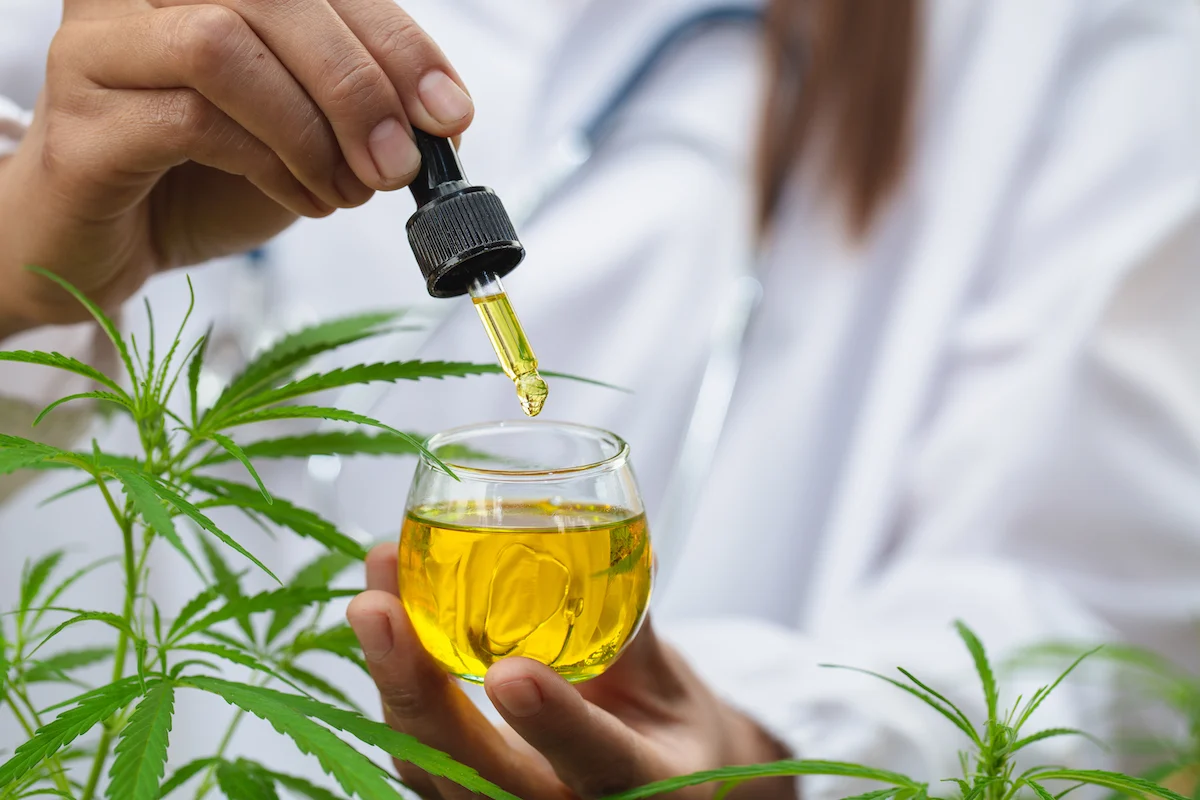
A study published recently by the journal Phytomedicine found that a non-psychotropic cannabis essential oil reduced pain, improved mobility and eased anxiety- and depression-like symptoms in an animal model of multiple sclerosis, with researchers saying the effects appear to be driven by the CB2 receptor.
The study was conducted by researchers from the University of Florence and the University of Modena and Reggio Emilia in Italy. It examined the therapeutic potential of cannabis essential oil in mice with experimental autoimmune encephalomyelitis, a widely used model for studying multiple sclerosis.
Researchers found that the oil’s most abundant compounds were β-caryophyllene, α-humulene and caryophyllene oxide. When administered intranasally, the essential oil significantly reduced both thermal and mechanical hypersensitivity, while also improving motor function. The treatment also produced antidepressant- and anxiolytic-like effects in the mice, suggesting benefits that went beyond pain relief alone.
The findings indicate the oil may also help protect nerve tissue. Researchers reported that treatment increased markers linked to myelin preservation while reducing tissue damage and inflammation in the spinal cord and hippocampus. The oil also appeared to shift immune activity in a favorable direction by reducing proinflammatory microglia, restoring the balance between IL-17 and IL-10, and increasing expression of markers associated with an anti-inflammatory response.
According to the study, the essential oil markedly increased CB2 receptor expression in both the animal model and in stimulated immune cells. Its protective effects were blocked by a CB2 antagonist, but not by a CB1 blocker, indicating the benefits were specifically mediated through CB2 rather than the receptor tied to marijuana’s intoxicating effects.
Researchers conclude that intranasal cannabis essential oil may help alleviate multiple sclerosis-related symptoms and comorbidities by reducing neuroinflammation and demyelination through a CB2-dependent mechanism. While the results are preclinical and will need to be confirmed in human studies, they add to growing evidence that cannabis compounds other than THC and CBD may also hold medical potential.
Sponsors: