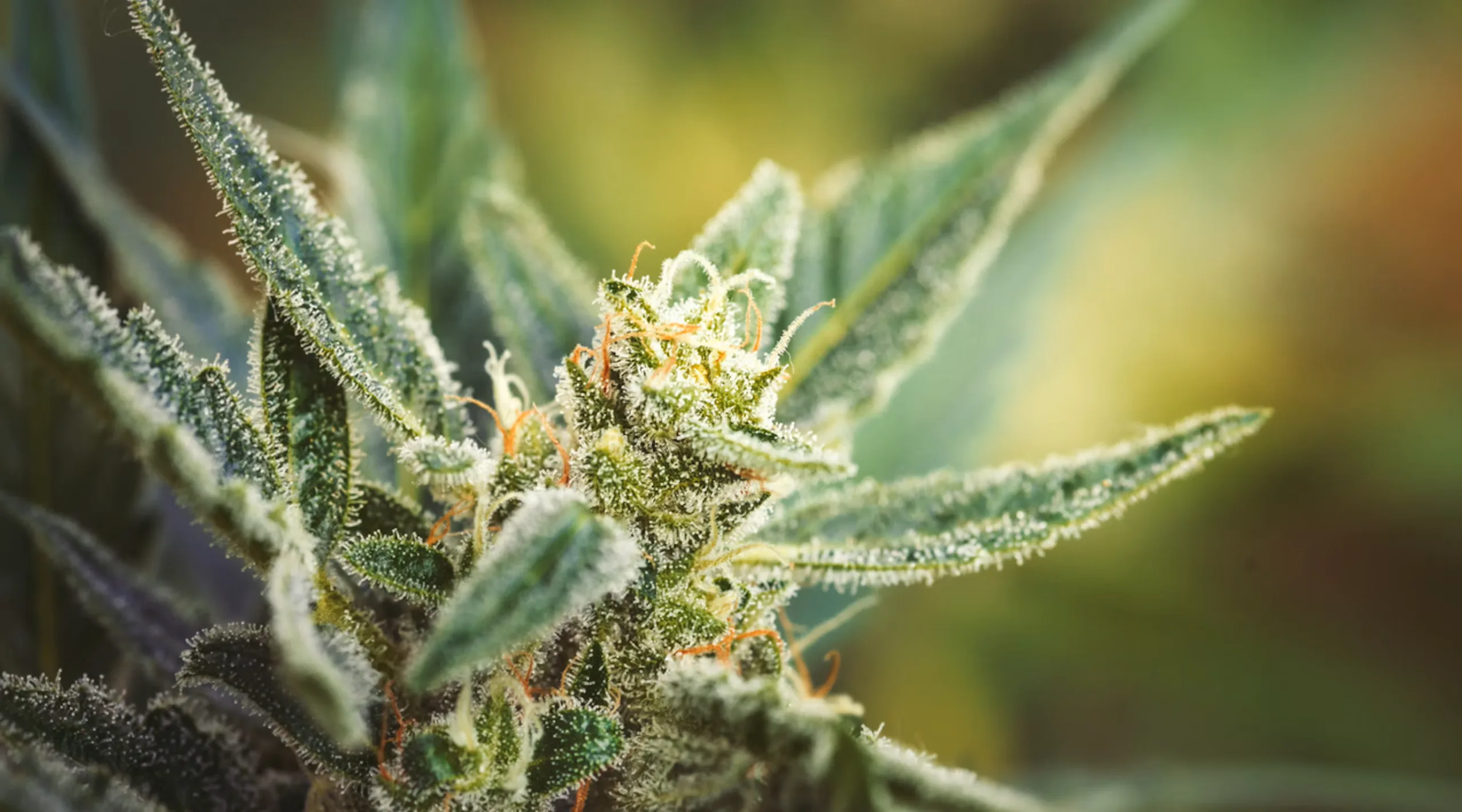
A new study published in Phytomedicine finds that non-psychoactive compounds found in Cannabis sativa, specifically terpenes in essential oil form, may help reduce symptoms associated with multiple sclerosis (MS), including pain, motor impairment and mood-related issues.
Researchers from the University of Modena and Reggio Emilia and the University of Florence examined the effects of cannabis-derived essential oil in a mouse model of MS known as experimental autoimmune encephalomyelitis. The oil’s primary components included β-caryophyllene, α-humulene and caryophyllene oxide, all of which are naturally occurring terpenes.
The study found that intranasal administration of the essential oil significantly reduced both thermal and mechanical pain sensitivity, while also improving motor function. Mice treated with the oil demonstrated better performance in coordination tests and showed fewer signs of neurological disability compared to untreated subjects.
In addition to physical improvements, the treatment also produced notable behavioral effects. Researchers observed reduced signs of anxiety and depression in treated mice, based on standard behavioral assessments used to evaluate emotional responses.
At the cellular level, the essential oil appeared to protect nerve tissue and reduce inflammation. The treatment increased markers associated with myelin integrity while decreasing indicators of tissue damage. It also shifted immune activity in the brain and spinal cord toward an anti-inflammatory state, including restoring balance between pro- and anti-inflammatory signaling molecules.
The findings suggest that these effects are driven by activation of the CB2 receptor, part of the body’s endocannabinoid system. When researchers blocked this receptor, the therapeutic benefits were no longer observed, indicating that CB2 plays a central role in how the essential oil works.
Researchers conclude that cannabis-derived essential oils rich in terpenes may offer a potential new approach for managing MS symptoms, particularly through targeting inflammation and nerve damage. While the findings are limited to preclinical models, they highlight the growing interest in non-psychoactive components of marijuana as therapeutic agents.
Sponsors: