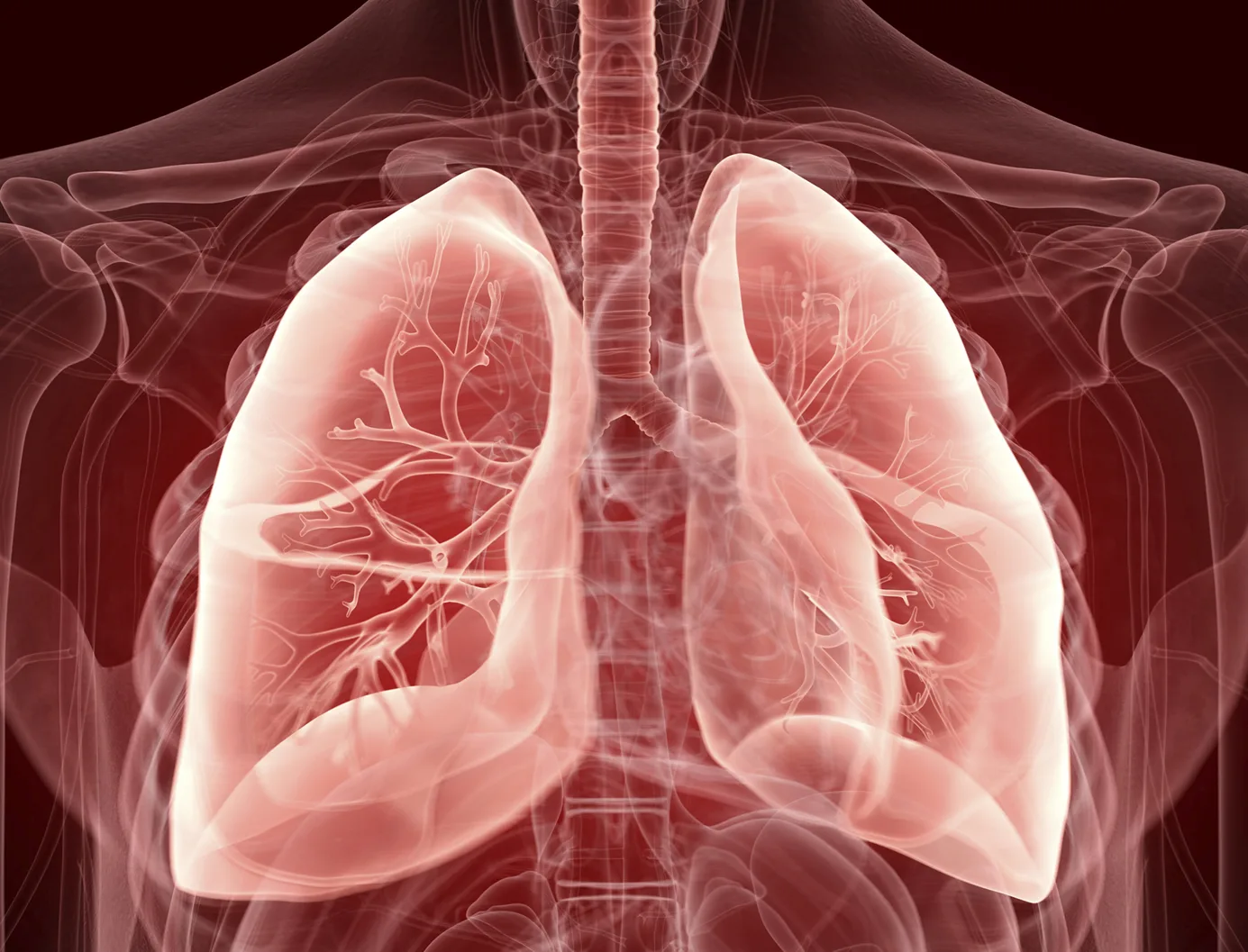
A study published in Phytomedicine by researchers from Tianjin University of Traditional Chinese Medicine found that cannabidiol (CBD) may significantly reduce lung inflammation and immune system overactivation associated with acute lung injury.
Acute lung injury and its more severe form, acute respiratory distress syndrome, are marked by excessive inflammation in the lungs, impaired oxygen exchange, and high mortality rates. Current treatment options remain limited, prompting researchers to explore compounds like cannabidiol (CBD), a non-addictive component derived from hemp seeds with known anti-inflammatory properties.
To examine its effects, researchers induced pulmonary inflammation using lipopolysaccharide, a compound that triggers strong immune responses. Subjects were then given varying doses of CBD, allowing researchers to assess changes in immune cell activity, inflammatory markers, and gene expression within lung tissue.
The study found that CBD had a notable impact on key drivers of inflammation. Specifically, a 50 mg/kg dose reduced the presence of neutrophils and interstitial macrophages, two types of immune cells that play a central role in lung inflammation. CBD also suppressed signaling pathways tied to immune activation, including nuclear factor kappa-B, which is known to regulate inflammatory responses.
The researchers state that “CBD at 50 mg/kg significantly attenuates LPS-induced pulmonary inflammation and markedly suppresses the LPS-induced elevation in the number of neutrophils and interstitial macrophages in the lung.”
Further analysis showed that CBD reduced levels of interleukin-1 beta, a pro-inflammatory cytokine, in macrophages, while also decreasing the expression of vascular cell adhesion molecule 1 in endothelial cells. These changes are significant because they help limit the movement of immune cells into lung tissue, reducing inflammation and tissue damage.
According to the study, “CBD could directly inhibit the expression of vascular cell adhesion molecule 1 in pulmonary endothelial cells and indirectly inhibit it by suppressing interleukin-1 beta secretion from macrophages, thereby reducing neutrophil infiltration into the lung and alleviating lung injury.”
Overall, the findings suggest that CBD may help regulate immune responses in the lungs by limiting excessive inflammation and preventing harmful immune cell buildup. Researchers say this provides new insight into how CBD could be used as a potential therapeutic option for conditions involving severe lung inflammation.
Sponsors: