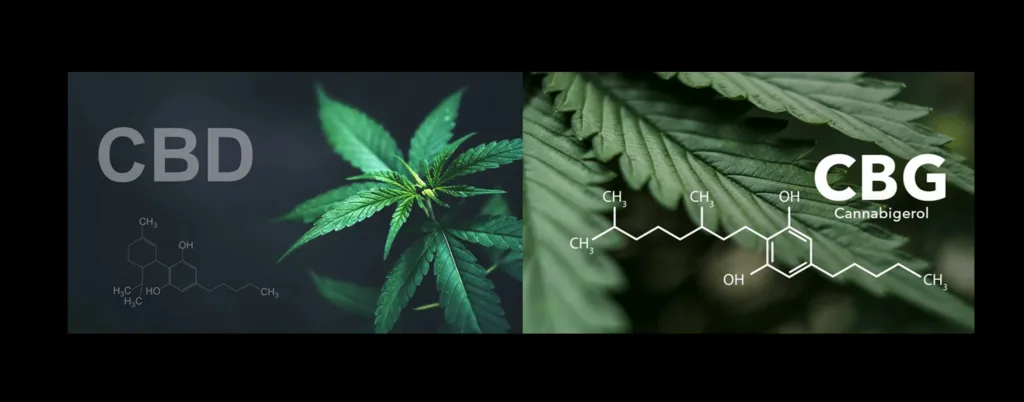

A new study found that the cannabis compounds CBD and CBG may help protect skin cells from damage caused by ultraviolet A radiation, a major contributor to oxidative stress and a potential factor in melanoma development.
The study, published by the journal Antioxidants, was conducted by researchers from the Medical University of Bialystok and the Boskovic Institute in Croatia. The researchers examined the effects of cannabigerol (CBG), cannabidiol (CBD), and a combination of the two on normal melanocytes and melanoma cells exposed to UVA radiation.
UVA radiation was found to significantly disrupt redox balance in both melanocytes and SK-Mel-5 melanoma cells. Researchers reported that UVA exposure increased the activity of prooxidant enzymes, leading to roughly a twofold increase in reactive oxygen species. It also activated Nrf2 signaling, including increased expression of heme oxygenase 1, while weakening key antioxidant defenses such as superoxide dismutase, glutathione and thioredoxin systems.
These changes were accompanied by increases in markers of oxidative damage, including isoprostanes and 4-hydroxynonenal, as well as elevated inflammatory signaling involving NF-κB and tumor necrosis factor alpha.
Treatment with CBD, CBG or the two cannabinoids together helped counter several of these UVA-induced changes. In melanoma cells, the phytocannabinoids normalized prooxidant enzyme activity and reduced reactive oxygen species levels by around 30%. They also reduced Nrf2 activation and HO-1 expression, while improving antioxidant defenses.
In melanocytes, the cannabinoids increased superoxide dismutase activity by roughly 10% to 40% and helped restore glutathione and thioredoxin function. Markers of oxidative damage were reduced by approximately 23% to 37% following treatment.
Researchers also found that the cannabinoids reduced NF-κB activation in both melanocytes and melanoma cells, though TNF-α levels remained largely unchanged. In cells that were not exposed to UVA radiation, the effects of the cannabinoids were described as modest.
According to the study’s authors, the findings suggest that CBD and CBG may help stabilize melanocytes exposed to UVA radiation by supporting redox balance and reducing oxidative damage. They said this could potentially reduce the risk of neoplastic transformation, though they cautioned that the protective effects observed in melanoma cells require further investigation and more detailed molecular analysis.
The study was conducted in cells, meaning the findings do not show that CBD or CBG can prevent or treat melanoma in humans. However, researchers said the results support continued study into the potential dermatological applications of phytocannabinoids, particularly in relation to oxidative stress caused by UVA exposure.
Sponsors: