Adult marijuana use in California remained largely stable during the seven years following the launch of licensed recreational sales, although consumption shifted away from smoking and toward edibles, according to a new study.
The study, published in the Journal of Cannabis Research, was conducted by researchers from the University of California, San Diego’s Center for Medicinal Cannabis Research and Herbert Wertheim School of Public Health and Human Longevity Science.
Researchers analyzed California Health Interview Survey responses from 178,836 adults between 2017 and 2024. The period covered the year before recreational marijuana stores opened and the first seven years of licensed retail availability.
California voters legalized recreational marijuana through Proposition 64 in November 2016, with licensed sales beginning January 1, 2018.
Past-year marijuana use was reported by 22.1% of adults in 2017 and 23.5% in 2024, a difference researchers say was not statistically significant.
Past-month use initially increased from 14.5% in 2017 to 17.7% in 2018. However, it later declined to 15.4% in 2024, which was also not significantly different from the pre-retail rate.
“Prevalence of past-year and past-month cannabis use among adults in California remained largely stable across the eight-year study period spanning the onset of retail availability of non-medical cannabis products,” researchers said.
The frequency with which current consumers used marijuana also remained stable. Approximately 40% reported consuming marijuana on one to five days during the previous month, while 37.3% reported using it on at least 20 days.
Although overall use changed little, researchers identified a substantial shift in how marijuana was consumed.
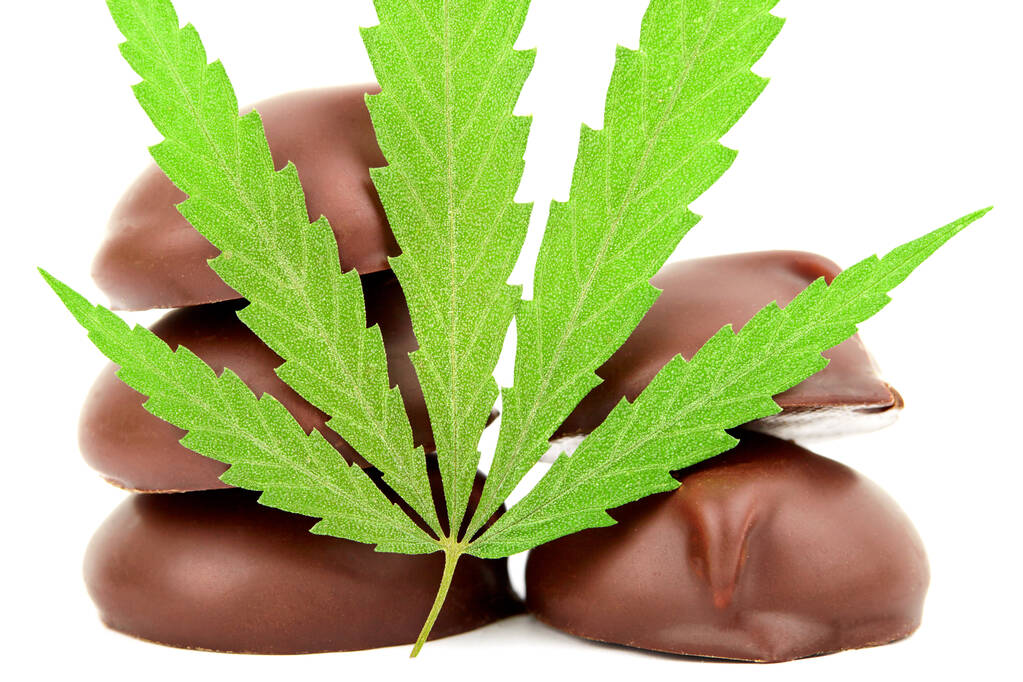
The percentage of past-month consumers who reported using joints, pipes or bongs declined from 71.2% in 2019 to 58.1% in 2024. Edible use increased from 40.3% to 53.6% during the same period.
Vaping remained nearly unchanged, increasing slightly from 38.2% to 38.3%. Blunt use also showed no statistically significant change, while dabbing declined from 14.7% to 10%, narrowly missing statistical significance.
Researchers said the movement away from combustible products may reflect concerns about the health effects of smoking and the wider availability of edibles in California’s licensed market.
Dispensaries were the most commonly reported source of marijuana, used by approximately 77% of past-month consumers. About 23% obtained marijuana from family members or friends, while 13% reported using delivery services.
The study did identify increases among certain age groups. Past-month use among adults between 40 and 59 increased from 10.7% in 2017 to 14.5% in 2024.
Among adults aged 75 and older, past-month use more than doubled, rising from 2.4% to 5.5%. Researchers said the increase among older adults could reflect growing interest in marijuana for health-related purposes.
There was no significant change among adults between 18 and 25, those between 26 and 39 or those between 60 and 74.
Researchers cautioned that the observational study cannot establish that retail legalization caused any of the changes. Other limitations included self-reported data, low survey response rates, a change in survey collection methods in 2019 and the potential effects of the COVID-19 pandemic.
“Overall statewide prevalence and frequency of past-month cannabis use among adults in California remained largely stable,” researchers concluded. “Important shifts have occurred within specific demographic subgroups, however, with increased use among those aged 75 and older.”
Sponsors: