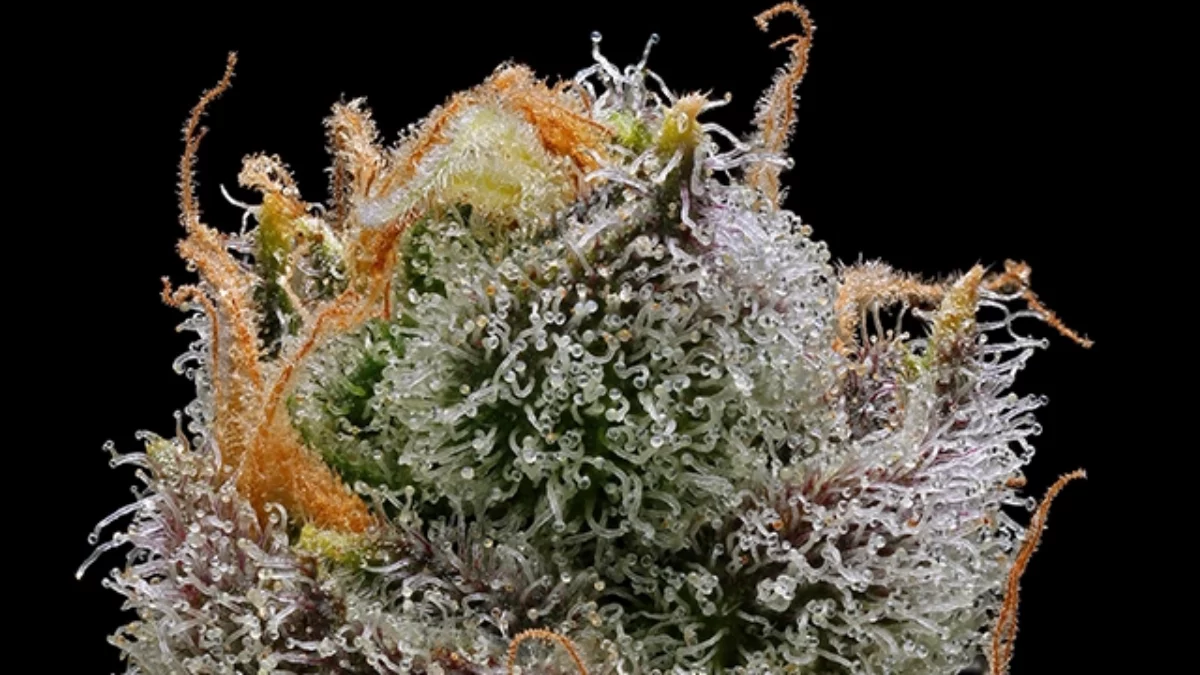
Cannabis flower extracts inhibited several enzymes associated with Alzheimer’s disease while protecting neuron-like cells from oxidative and amyloid-related damage, according to a study published in Journal of Cannabis Research.
Researchers from the MIGAL – Galilee Research Institute and Tel-Hai University in Israel examined ethanol extracts derived from four cannabis chemovars. Three contained relatively balanced levels of THC and CBD, while the fourth was CBD-predominant. The extracts were tested against acetylcholinesterase (AChE), butyrylcholinesterase (BChE) and beta-secretase 1 (BACE1), enzymes involved in biological processes linked to Alzheimer’s disease.
AChE and BChE break down acetylcholine, a neurotransmitter important for learning and memory. BACE1 contributes to the production of amyloid-beta peptides, which can accumulate into plaques in the brains of people with Alzheimer’s. All four extracts inhibited AChE in a concentration-dependent manner, producing effects comparable to galantamine, a medication used to treat symptoms of Alzheimer’s disease.
Three extracts inhibited BChE with substantially lower concentrations than galantamine. Their inhibitory concentrations ranged from 7.19 to 9.90 micrograms per milliliter, compared with 35.93 micrograms per milliliter for galantamine. The fourth extract produced an inhibitory concentration similar to the medication.
All four extracts also inhibited BACE1 in a concentration-dependent manner. At the highest concentration tested, BACE1 activity was reduced by between 47.9% and 65.3%, although researchers cautioned that estimated inhibitory concentrations were based on only three concentration points.
Researchers selected one extract, labeled C3, for additional testing because it produced the strongest BChE inhibition and demonstrated activity against all three enzymes.
In PC12 cells exposed to amyloid-beta or hydrogen peroxide, the extract significantly increased cell viability at a concentration of 10 micrograms per milliliter. PC12 cells are derived from a rat adrenal tumor and are commonly used as a neuron-like laboratory model, meaning the findings do not demonstrate an effect in humans.
The researchers then separated the extract into six fractions. Several fractions produced stronger enzyme inhibition than the original extract, including fractions enriched in cannabidiolic acid (CBDA) and cannabigerolic acid (CBGA). However, purified cannabinoids were not tested, preventing the researchers from determining which individual compounds or combinations were responsible.
“Taken together, the study highlights the promise of cannabis inflorescence extracts, especially from Type II and III chemovars and fractions, as promising in-vitro multi-target candidates for further investigation in AD related models,” the researchers concluded.
They said additional research is needed using human-derived neuronal cells and animal models. Future studies must also examine mechanisms of action, blood-brain barrier penetration, pharmacokinetics, potential side effects and interactions with other medications.
Sponsors: