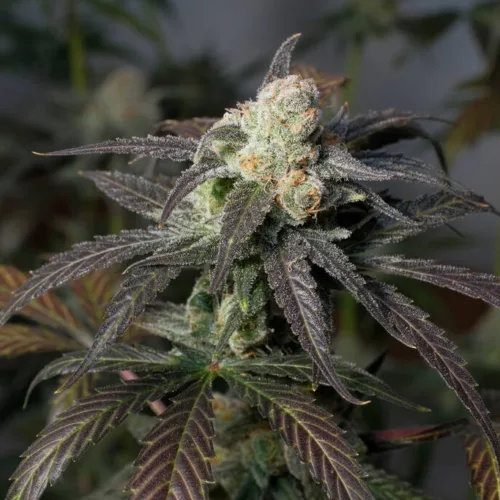
The DEA is moving marijuana to Schedule III, officially proposing the change on May 21. Here’s a breakdown of the 15 most significant changes this will bring, and the top 15 changes it won’t bring.
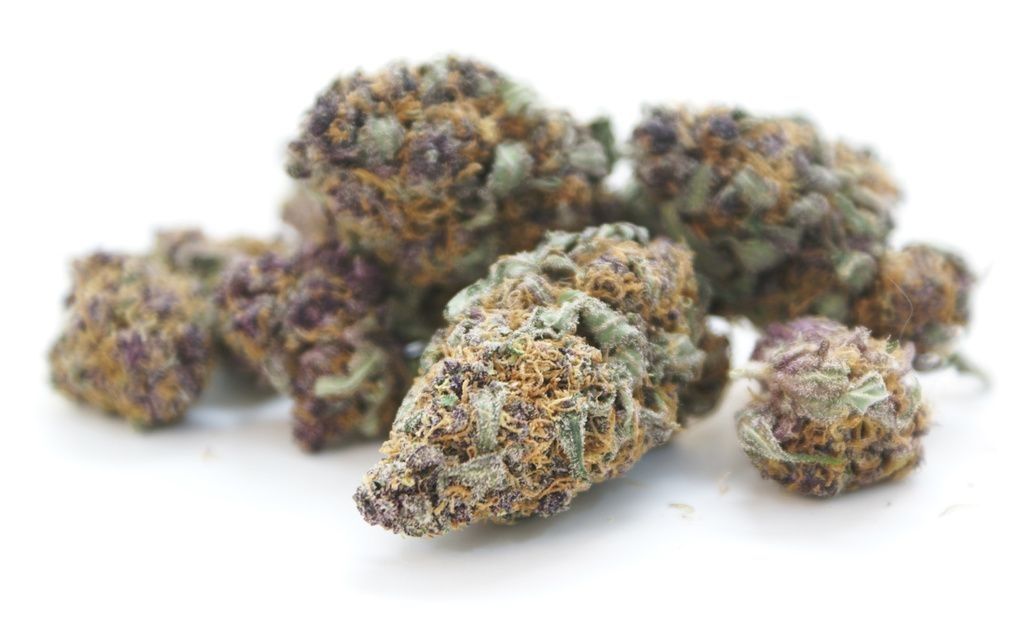 The Drug Enforcement Administration (DEA) has taken a significant step by proposing to reclassify marijuana from a Schedule I to a Schedule III substance under the federal Controlled Substances Act, established in 1970. This proposal was officially published in the Federal Register on May 21, initiating a 60-day public comment period. If approved, this reclassification will bring notable changes and implications.
Here are fifteen key consequences of this potential shift, followed by fifteen things that will remain unaffected.
15 Potential Changes if Marijuana Moves to Schedule III
- Research Expansion: Reclassifying marijuana to Schedule III will ease restrictions, facilitating more comprehensive and diverse research into marijuana and its medical benefits. This reclassification is also likely to significantly increase funding for marijuana-related research.
- Prescription Availability: Doctors nationwide will be able to prescribe a variety of medicines derived from marijuana once they’re given regulatory approval. This will increase patient access to cannabis-based treatments, especially in the states have that not yet established a comprehensive medical or recreational marijuana program.
- Insurance Coverage: Some health insurance plans may begin covering medical marijuana, reducing out-of-pocket costs for patients.
- Tax Benefits for Businesses: Medical marijuana businesses that are legal under their state’s law may become eligible for standard tax deductions, improving their financial stability and operational efficiency.
- Banking Access: Financial institutions may be more willing to provide services to cannabis-related businesses, especially those involved in state medical marijuana programs, enhancing their ability to secure loans and banking services.
- State Medical Programs: State-run medical marijuana programs will likely see increased federal support and coordination, improving program effectiveness.
- Employment Protections: Federal employees who use marijuana for medical purposes might gain some protections, reducing the risk of job loss due to medical cannabis use.
- Product Regulation: Increased federal oversight will lead to more standardized and regulated cannabis products, enhancing consumer safety.
- Veteran Access: Veterans will have greater access to medical marijuana through VA healthcare, providing alternative treatment options for conditions like PTSD.
- Educational Initiatives: Medical schools and universities may incorporate more cannabis-related content in their curricula, improving healthcare professionals’ knowledge.
- International Research Collaboration: Eased restrictions may foster greater international collaboration on cannabis research, accelerating global scientific understanding.
- Regulatory Framework: A more consistent federal regulatory framework will help streamline operations for cannabis businesses, reducing legal ambiguities.
- Clinical Trials: More clinical trials on marijuana’s medical efficacy and safety will be conducted, providing robust scientific evidence.
- Healthcare Provider Training: Training programs for healthcare providers may expand to include medical marijuana education, improving patient care.
- Reduced Stigma: Reclassification may contribute to reducing the stigma associated with marijuana use, fostering broader acceptance.
15 Things That Won’t Change
- Recreational Legalization: Moving marijuana to Schedule III will not legalize its recreational use or have any impact on recreational marijuana laws at the state or federal level.
- Home Growing: Federal law will continue to prohibit the cultivation of marijuana plants at home.
- Non-Medical Use in Employment: Employers can still enforce drug-free workplace policies and take action against non-medical marijuana use by employees.
- Criminal Records: The reclassification will not automatically expunge criminal records for past marijuana-related offenses.
- Public Consumption: Public use of marijuana remains prohibited, and existing public consumption laws will stay in effect.
- Federal Housing: Residents in federally subsidized housing will still be subject to restrictions against marijuana use on the property.
- DUI and DWI Laws: Driving under the influence of marijuana remains illegal, with DUI laws and enforcement continuing as before.
- Employment Screening: Companies will still be able to conduct drug screenings for marijuana use and make employment decisions based on the results.
- School Policies: Policies prohibiting marijuana use on school grounds will not be affected by the reclassification.
- Transportation Security: TSA regulations regarding marijuana possession on flights will remain unchanged, adhering to federal law. However, once marijuana-derived medicines begin receiving FDA approval, this could change.
- Local Zoning Laws: Local governments will still have the authority to impose zoning restrictions on marijuana businesses, including medical marijuana dispensaries.
- Gun Ownership: Federal laws prohibiting marijuana users from purchasing firearms will remain in effect.
- Federal Aid Eligibility: Marijuana use will continue to impact eligibility for federal student aid and other benefits.
- Immigration Status: Non-citizens involved with marijuana, even medically, may still face immigration-related consequences.
- Military Regulations: Members of the military will still be subject to strict regulations prohibiting marijuana use.