Marijuana’s reclassification to Schedule III represents the most significant shift in federal marijuana policy since the Controlled Substances Act was enacted in 1970. Here’s an overview of the far-reaching implications of this landmark change.
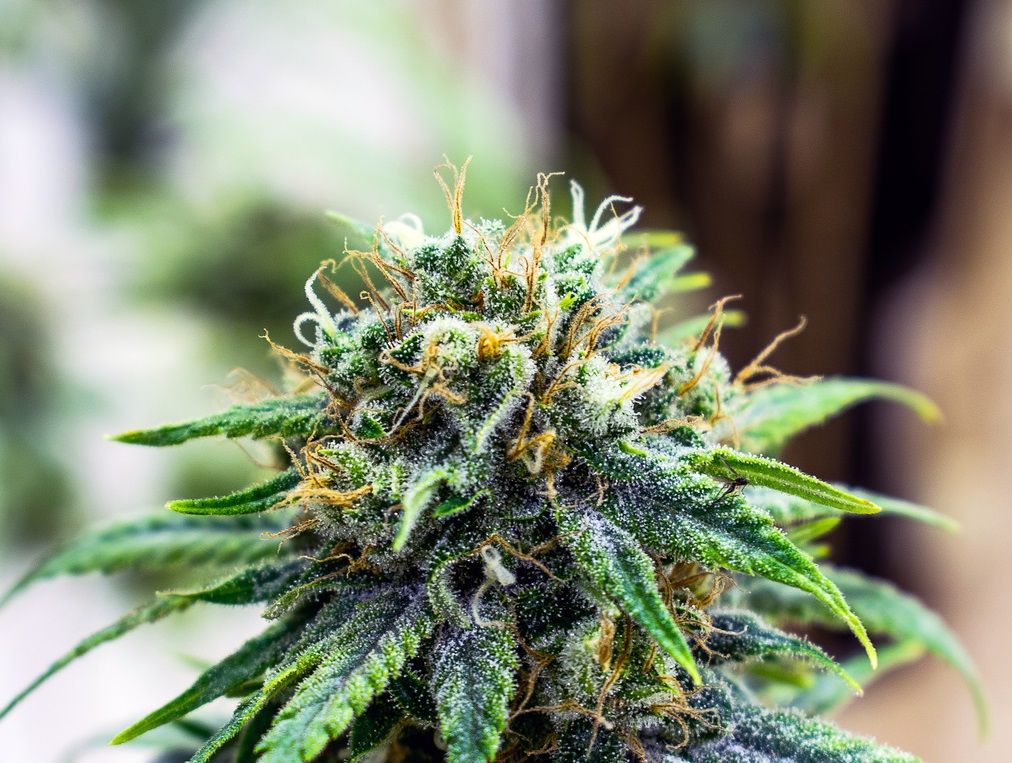
In a groundbreaking move, the Drug Enforcement Administration (DEA) recently announced the rescheduling of marijuana from a Schedule I to a Schedule III controlled substance. This decision marks a significant pivot in U.S. federal drug policy, reflecting a new acknowledgment of marijuana’s medical benefits and a lower potential for abuse.
Here are the top five implications of this historic change, in no particular order:
- Enhanced Medical Research Opportunities: The reclassification of marijuana to Schedule III significantly reduces regulatory barriers for scientific research. This will facilitate more comprehensive marijuana studies and give researchers greater access to funding, potentially leading to innovative medical treatments and therapeutic uses.
- Reduced Legal Risks for Businesses: Marijuana moving to Schedule III enhances the legal stability for cannabis businesses, making it less risky for new and existing companies to operate. This shift could lead to increased investment and growth within the industry, as well as improved access to financial services like banking and loans.
- Impact on Federal Sentencing: Individuals charged under federal marijuana laws could see lighter sentencing. Schedule III substances carry less severe penalties compared to Schedule I drugs. This shift could significantly impact those facing charges for non-violent marijuana offenses.
- Allowing Tax Deductions for Marijuana Businesses: The DEA’s rescheduling of marijuana to Schedule III could significantly change the financial landscape for cannabis businesses. Under the current tax code, IRS Section 280E, businesses involved with Schedule I or II substances cannot deduct ordinary business expenses. The move to Schedule III opens up these tax deductions, which could enhance the profitability and financial stability of these enterprises.
- Insurance Coverage: The shift to Schedule III may prompt insurance companies to reconsider coverage options for medical marijuana. This could lead to broader health insurance coverage for prescriptions of cannabis-based treatments, making them more accessible and affordable for patients.
- State-Federal Policy Alignment: With 38 states having legalized medical marijuana, this federal shift helps align national policies with state laws. This alignment will reduce conflicts between state and federal laws, providing a more consistent legal landscape.
- Public Perception and Stigma Reduction: The DEA’s reclassification of marijuana to Schedule III will likely have a significant impact on public perception, reducing the stigma associated with marijuana and its use. This comes at a time when marijuana has already become mainstream with 66% of voters in the US in support of legalization.
- Educational Initiatives and Awareness Campaigns: With the federal government acknowledging marijuana’s medical value, educational institutions might initiate more programs and campaigns to inform the public about its benefits and risks. This increased knowledge could help demystify cannabis use and integrate it more into mainstream healthcare discussions. These institutions are also likely to implement more programs educating those interested in joining the legal marijuana industry.
- Greater Access for Veterans: Marijuana moving to Schedule III will lead to expanded access for veterans through VA healthcare systems, allowing them to receive cannabis-based treatments for conditions like PTSD and chronic pain without the legal hurdles previously associated with Schedule I status.
- International Research Collaborations: The change to Schedule III can facilitate international collaborations in cannabis research. Universities and private institutions may find it easier to work with global partners to study the effects and benefits of cannabis, enhancing the scientific community’s understanding.