THC Edibles Show Little Effect on Driving, Study Finds

Subjects exhibited minimal changes in simulated driving performance after consuming THC-infused edibles, according to research published in the Journal of Cannabis Research and online by the US National Library of Medicine.
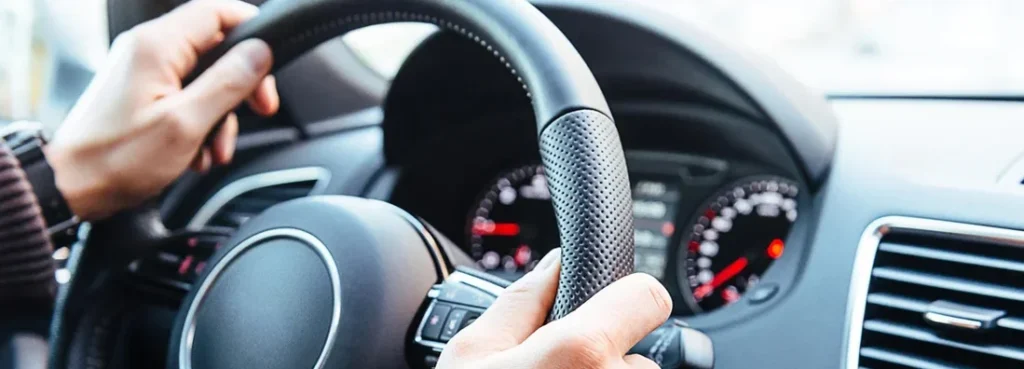
The study, conducted by researchers from the Centre for Addiction and Mental Health, the University of Toronto and the Campbell Family Mental Health Research Institute, involved 22 participants who underwent simulated driving tests before and after ingesting edibles containing an average of 7.3 mg of THC. Assessments were made at two, four, and six hours post-consumption, with participants primarily being frequent recreational cannabis users.

The findings indicated a slight decrease in average speed two hours after consuming the edibles, with no significant changes in weaving, maximum speed, speed variability, or reaction time at any assessment point. Additionally, some subjects reported a reduced willingness to drive after ingesting cannabis.

Researchers suggest that the lack of significant impairment could reflect a tolerance to cannabis effects, a phenomenon previously observed in other studies. Literature reviews have noted that patients consistently using cannabinoids can develop a tolerance to their psychomotor impairments, potentially maintaining safe driving abilities.

This study marks the first to explore the impact of cannabis edibles on simulated driving. The authors call for future research to consider age factors, particularly since the effects of cannabis on older individuals have been less examined.

The study’s full abstract can be found below:

Background: Cannabis has been shown to impact driving due to changes produced by delta-9-tetrahydrocannabinol (THC), the psychoactive component of cannabis. Current legal thresholds for blood THC while driving are based predominantly on evidence utilizing smoked cannabis. It is known that levels of THC in blood are lower after eating cannabis as compared to smoking yet the impact of edibles on driving and associated blood THC has never been studied.

Methods: Participants drove a driving simulator before and after ingesting their preferred legally purchased cannabis edible. In a counterbalanced control session, participants did not consume any THC or cannabidiol (CBD). Blood was collected for measurement of THC and metabolites as well as CBD. Subjective experience was also assessed.

Results: Participants consumed edibles with, on average, 7.3 mg of THC, which is less than the maximum amount available in a single retail package in Ontario, providing an ecologically valid test of cannabis edibles. Compared to control, cannabis edibles produced a decrease in mean speed 2 h after consumption but not at 4 and 6 h. Under dual task conditions in which participants completed a secondary task while driving, changes in speed were not significant after the correction for multiple comparison. No changes in standard deviation of lateral position (SDLP; ‘weaving’), maximum speed, standard deviation of speed or reaction time were found at any time point or under either standard or dual task conditions. Mean THC levels were significantly increased, relative to control, after consuming the edible but remained relatively low at approximately 2.8 ng/mL 2 h after consumption. Driving impairment was not correlated with blood THC. Subjective experience was altered for 7 h and participants were less willing/able to drive for up to 6 h, suggesting that the edible was intoxicating.

Interpretation: This is the first study of the impact of cannabis edibles on simulated driving. Edibles were intoxicating as revealed by the results of subjective assessments (VAS), and there was some impact on driving. Detection of driving impairment after the use of cannabis edibles may be difficult.

Thank you for reading The Marijuana Herald! You can find more news stories by clicking here.

More articles from The Marijuana Herald:

Rhode Island Lawmakers File Bill to Create “RICare” Universal Healthcare System, Ban Premiums and Copays

Rhode Island Lawmakers File Bill to Create “RICare” Universal Healthcare System, Ban Premiums and Copays

CBD May Help Limit the “Second Wave” of Brain Damage After Traumatic Brain Injury, Study Finds

CBD May Help Limit the “Second Wave” of Brain Damage After Traumatic Brain Injury, Study Finds

CB1 Activation Helps Speed Wound Healing, Reports Study

CB1 Activation Helps Speed Wound Healing, Reports Study

Florida Senate Committee to Vote Feb. 18 on Bill Tightening Low-THC Marijuana Rules and Expanding Buffer Zones for Dispensaries

Florida Senate Committee to Vote Feb. 18 on Bill Tightening Low-THC Marijuana Rules and Expanding Buffer Zones for Dispensaries

Study: CBD Kills Rare Ovarian Tumor Cells by Targeting TRPV2 Channel and Mitochondrial Pathway

Study: CBD Kills Rare Ovarian Tumor Cells by Targeting TRPV2 Channel and Mitochondrial Pathway

Edible Hemp Film Helped Keep Freeze-Dried Berries Fresher in Storage, Study Finds

Edible Hemp Film Helped Keep Freeze-Dried Berries Fresher in Storage, Study Finds

Maryland Cannabis Industry Generates $98.9 Million in Sales in January, Prices down 12% from January 2025

Maryland Cannabis Industry Generates $98.9 Million in Sales in January, Prices down 12% from January 2025

Utah Committee Advances Bill to Allow Medical Marijuana Telehealth Recommendations, Expand Low-THC Products in Pharmacies

Utah Committee Advances Bill to Allow Medical Marijuana Telehealth Recommendations, Expand Low-THC Products in Pharmacies

New York Bill Would Let Liquor Stores Sell Low-THC Cannabis Beverages, Taxed at 9% Wholesale and 13% Retail

New York Bill Would Let Liquor Stores Sell Low-THC Cannabis Beverages, Taxed at 9% Wholesale and 13% Retail

U.S. Congress: Legislation to End Cannabis Prohibition Nationwide and Allow Expungements Gains Sponsors from Nearly 30 States and D.C.

U.S. Congress: Legislation to End Cannabis Prohibition Nationwide and Allow Expungements Gains Sponsors from Nearly 30 States and D.C.

Bipartisan Oregon Bill Would Allow Physician-Supervised Ibogaine Treatment

Bipartisan Oregon Bill Would Allow Physician-Supervised Ibogaine Treatment

Virginia Bill to Require Hospitals to Allow Medical Marijuana for Terminally Ill Patients Approved by Committee

Virginia Bill to Require Hospitals to Allow Medical Marijuana for Terminally Ill Patients Approved by Committee

Tilray Expands UK Medical Supply Network Through New Distribution Deal With Smartway Pharmaceuticals

Tilray Expands UK Medical Supply Network Through New Distribution Deal With Smartway Pharmaceuticals

Virginia House Appropriations Committee Advances Bill to Legalize Recreational Cannabis Sales 16 to 6

Virginia House Appropriations Committee Advances Bill to Legalize Recreational Cannabis Sales 16 to 6

New York Legislature Passes Bill Allowing Marijuana Dispensaries Near Houses of Worship, Sends Measure to Governor

New York Legislature Passes Bill Allowing Marijuana Dispensaries Near Houses of Worship, Sends Measure to Governor

Florida Appeals Court Upholds State’s THC Limits on Hemp Products

Florida Appeals Court Upholds State’s THC Limits on Hemp Products

U.S. Congress: Legislation to Prevent Cannabis Businesses From Taking Tax Deductions Following Rescheduling Gains 15th Sponsor

U.S. Congress: Legislation to Prevent Cannabis Businesses From Taking Tax Deductions Following Rescheduling Gains 15th Sponsor

New York Senate Committee Advances Bill Allowing Parolees and Probationers to Work in Legal Marijuana Industry

New York Senate Committee Advances Bill Allowing Parolees and Probationers to Work in Legal Marijuana Industry