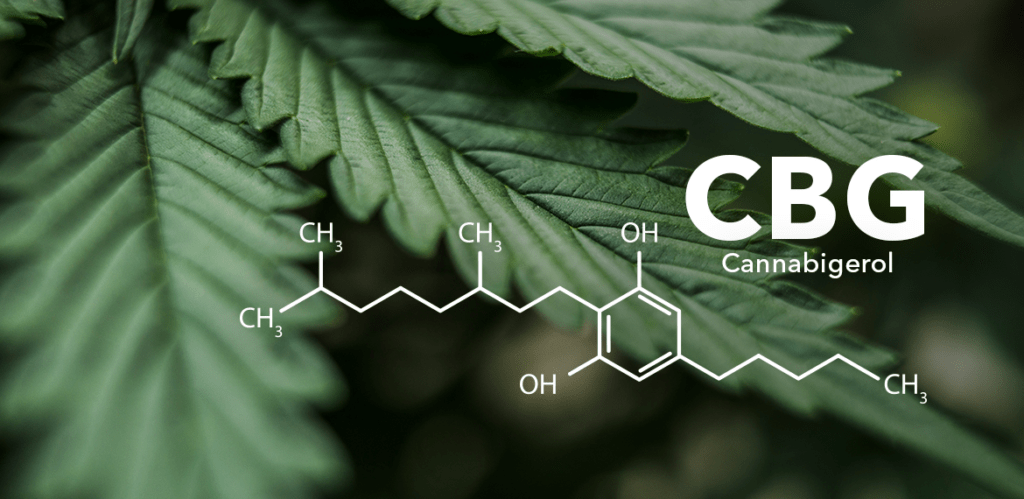
According to the results of new study, cannabigerol (CBG), a non-psychoactive cannabinoid, may help protect heart cells from lipid-induced damage by reducing fat accumulation and modulating fatty acid metabolism.
Researchers from the Medical University of Bialystok evaluated how different concentrations of CBG (2.5 µM, 5 µM, and 10 µM) affected heart-derived H9c2 cells under lipid overload conditions. The team used various methods—including gas-liquid chromatography, Western blotting, and glucose uptake assays—to analyze lipid content and protein expression related to fatty acid and glucose metabolism.
After 18 hours of treatment, the highest CBG concentration (10 µM) led to a notable reduction in diacylglycerol (DAG) accumulation and lipid saturation. Additionally, CBG significantly decreased levels of key fatty acid transporters—CD36 and FABPpm—when palmitate was present in the cell environment. These transporters typically facilitate the uptake of fatty acids into cells, and their reduction may help limit excessive fat accumulation in cardiac cells.
The findings suggest that CBG could help restore metabolic balance in heart cells during conditions like obesity and metabolic syndrome, which often impair the heart’s energy efficiency by increasing reliance on fatty acids. According to the researchers, CBG’s ability to influence multiple receptors—including CB1, CB2, α2 adrenoceptors, and serotonin receptors—may underlie its beneficial effects.
The authors conclude that CBG shows promise as a cardioprotective compound capable of modulating lipid metabolism and reducing lipid-induced dysfunction in heart cells. Further studies will be needed to explore its therapeutic potential in humans.