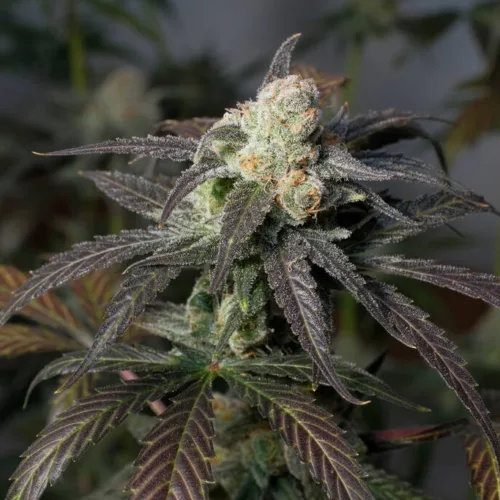
The Great Smoky Cannabis Company in Cherokee, North Carolina is approaching its one-year anniversary of opening sales to all adults 21 and older, including nontribal members.
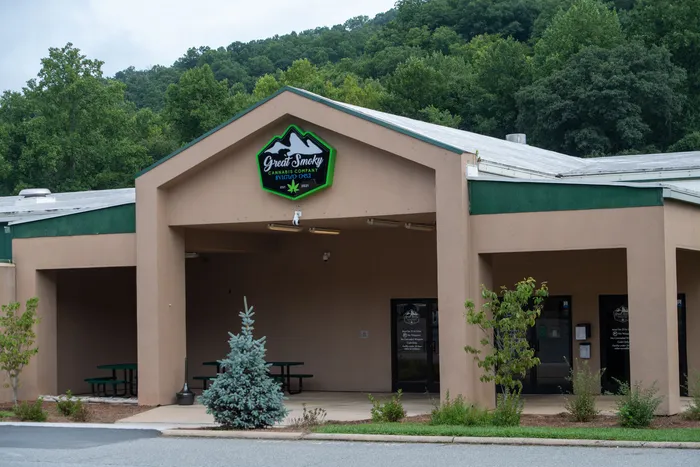
(Photo credit: Angela Wilhelm/Citizen Times).
Since beginning operations on September 7, 2024, the store has drawn millions of patrons. Given cannabis is illegal for all uses in North Carolina, and given many lawmakers in the state opposed the opening of the store, this marks a striking example of what tribal sovereignty can achieve.
Operated by the Eastern Band of Cherokee Indians (EBCI), the store is housed in a former bingo hall that underwent a $50 million transformation into a sprawling cannabis superstore. Month after month, hundreds of thousands of customers have visited, generating tens of millions in sales and fueling a steady stream of economic activity for the tribe.
What has been just as notable as the store’s success is the lack of problems surrounding it. Despite early concerns from opponents and some state officials, there have been no arrests tied to patrons leaving tribal land with marijuana purchased legally at the store. The absence of legal complications has underscored the tribe’s ability to regulate cannabis responsibly while coexisting with surrounding state law.
The EBCI’s success has not gone unnoticed. The Omaha Tribe in Nebraska has recently moved forward with plans to legalize cannabis for its members and establish its own retail outlet, citing the North Carolina model as evidence that tribal-run stores can not only exist in prohibition states but thrive. Other tribes across the country are also considering similar steps, encouraged by the financial and political momentum generated in Cherokee (we’ll have more news on this soon).
As the one-year milestone nears, the Great Smoky Cannabis Company stands as a powerful demonstration of what tribal sovereignty can accomplish in the cannabis industry. For tribes weighing whether to take the leap, the message from Cherokee is clear: it’s possible, it’s profitable, and it’s changing the landscape of marijuana access in America.