A study published in Frontiers in Medicine has found that encapsulating cannabis extracts in chitosan nanoparticles may make them a promising option for treating skin infections and supporting wound healing.
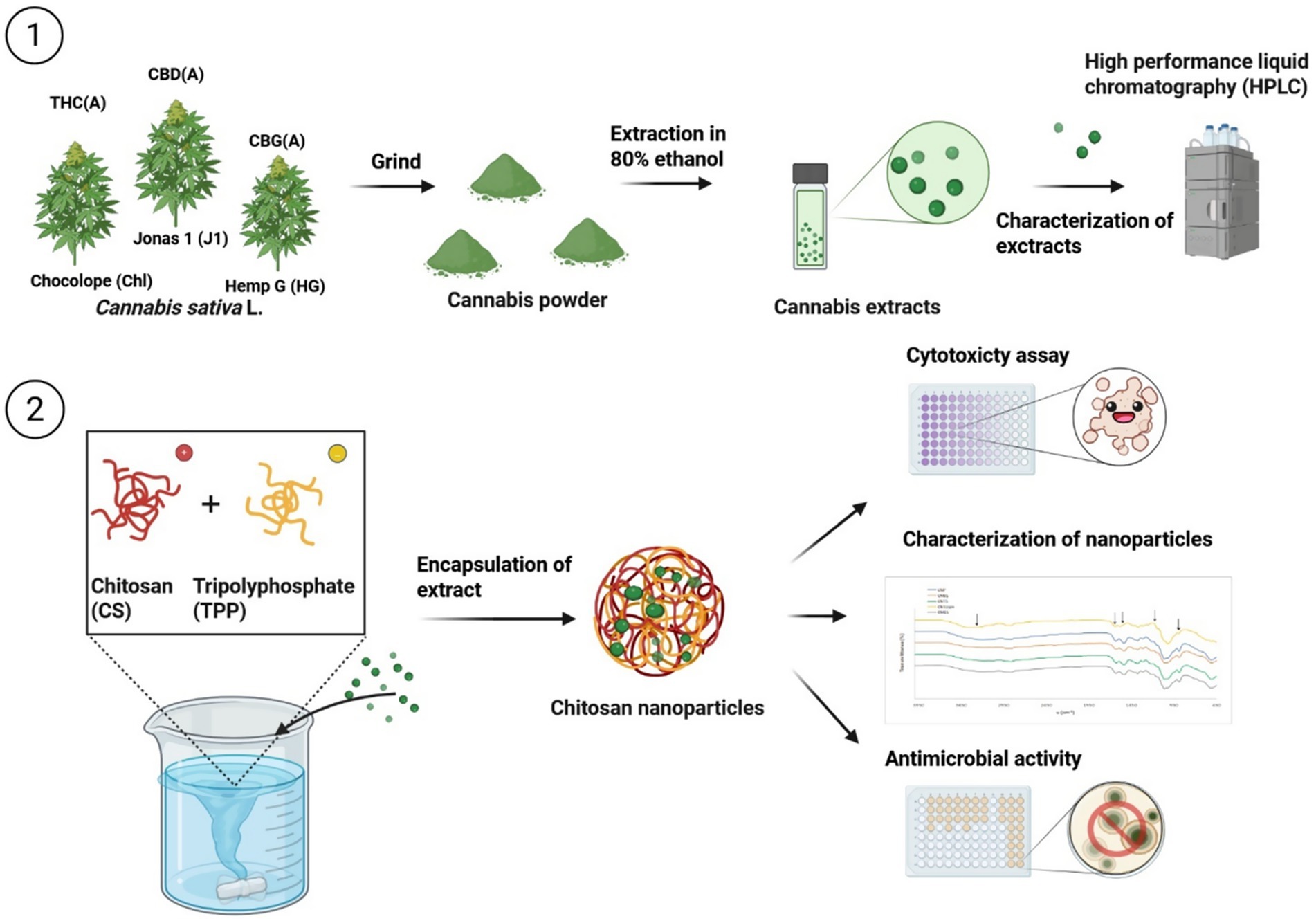
Researchers from the Czech University of Life Sciences, Universitat Politècnica de València-Universitat de València, and Charles University examined extracts from three cannabis strains: Chocolope (THCA-A dominant), Jonas 1 (CBDA dominant), and Hemp G (CBGA dominant). These extracts were encapsulated in chitosan nanoparticles, a cost-effective delivery system designed to improve stability and absorption.
The study found that the nanoparticles significantly enhanced antimicrobial activity, especially against the dermatophyte Nannizzia fulva. For example, while the pure extract from Jonas 1 inhibited growth at 256 μg/mL, the encapsulated version achieved the same effect at just 13 μg/mL of extract content, representing a several-fold improvement in potency.
Encapsulation also reduced cytotoxic effects on human keratinocytes and, in some cases, even increased cell viability after 72 hours of exposure. These findings indicate that cannabis extracts delivered through chitosan nanoparticles could provide a safer and more efficient topical treatment for fungal infections and other dermatological conditions.
The researchers concluded that this method may pave the way for new formulations of cannabis-based skin therapies, with potential applications in managing dermatophytosis and enhancing wound healing outcomes.
A separate study published in July in Experimental Gerontology found that low doses of THC may help improve wound healing in older individuals by regulating inflammation and boosting stem cell activity.




