By Seed Masters
In recent years, cannabis laws have been shifting faster than at any other point in history. From full legalization in countries like Canada and Uruguay to strict prohibition in parts of Asia, the rules vary dramatically depending on where you are.
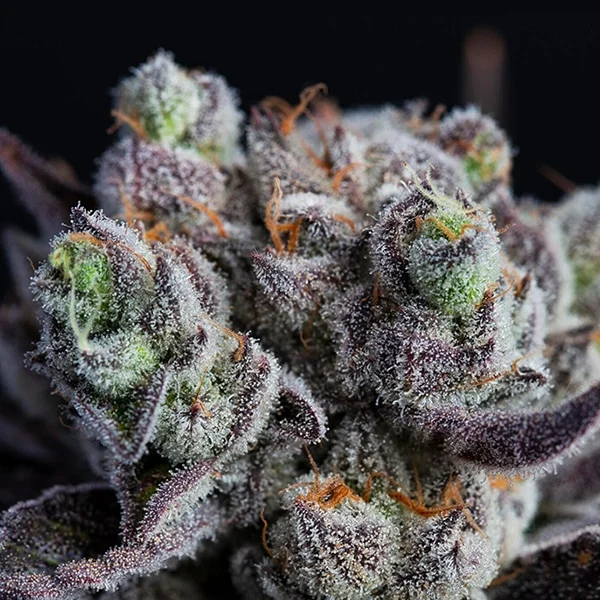

Cannabis seeds, however, occupy a unique legal category. While they are the starting point for cultivation, they contain no psychoactive compounds until germinated (EMCDDA, 2024). This creates a “gray area” in many jurisdictions — one where seeds are legal to possess but illegal to grow.
In 2025, as the global cannabis industry expands, understanding the legal status of seeds isn’t just a matter of compliance — it’s essential for making informed, responsible decisions as a consumer, collector, or breeder.
Why Cannabis Seeds Are Treated Differently
Cannabis seeds themselves contain no THC or other cannabinoids in quantities capable of causing intoxication (UNODC, 2024). This distinction means that in some countries, they are considered no different than any other plant seed — at least until germination occurs.
For breeders, seeds are vital for preserving and stabilizing genetics. For collectors, they hold value as a form of plant heritage. For researchers, they are the foundation of studying cannabis strains and their potential medical benefits.
Yet because seeds can be germinated into plants, governments often regulate them under the same framework as cannabis flower, resin, or concentrates — especially when import/export is involved.
—
Global Legal Overview
North America
· United States: Federally, cannabis seeds are considered hemp if they contain less than 0.3% THC by dry weight, according to the U.S. Department of Agriculture’s interpretation of the 2018 Farm Bill (USDA, 2022). However, state laws on cultivation vary widely.
· Canada: Fully legal for adults to buy, possess, and grow up to four plants at home (subject to provincial limits) (Government of Canada, 2024).
Europe
· United Kingdom: Legal to buy and possess, but illegal to germinate without a license (EMCDDA, 2024).
· Spain: Possession and sale tolerated for “souvenir” purposes; private cultivation permitted for personal use.
· Netherlands: Seed sales legal; cultivation technically illegal but often tolerated for personal use.
· Germany: In the process of implementing new recreational cannabis rules that may expand cultivation rights.
Latin America
· Uruguay: Fully legal for adults to grow cannabis from seed (UNODC, 2024).
· Mexico: Legalization process has been slow, but possession of seeds is not penalized; cultivation laws remain unclear.
Asia-Pacific
· Australia: Cannabis laws differ by state; some permit limited home growing, others do not.
· Thailand: Recently legalized cultivation with a registration process, causing a surge in seed demand (UNODC, 2024).
· Japan & Singapore: Possession of seeds can be a criminal offense; extremely strict enforcement.
Africa
· South Africa: Adults may grow cannabis at home for personal use following a landmark Constitutional Court ruling (Constitutional Court of South Africa, 2018).
· Other nations: Most maintain full prohibition, though debates over reform are increasing.
—
Trends & Predictions for 2025
· Global Expansion: As more countries legalize cannabis for medical or adult use, the seed trade is expected to grow significantly (EMCDDA, 2024).
· International Regulation: Expect tighter rules around cross-border seed shipments, especially in countries with strict drug control laws.
· Breeding Innovation: Advances in genetics will drive demand for specific strains — especially those with rare terpene profiles or balanced cannabinoid ratios.
—
Tips for Staying Compliant
Check Your Local Laws — Regulations can change rapidly, even within the same country (UNODC, 2024). Buy from Transparent Suppliers — Legitimate vendors like SeedMasters.com publish their shipping restrictions and follow local rules.
Keep Documentation — Proof of purchase and country of origin can be useful if questioned by authorities.
Avoid Risky Imports — Even if seeds are legal where you live, importing from a prohibited country can cause legal issues.
—
Final Thoughts
The cannabis seed market in 2025 is more active — and more complex — than ever before. While seeds may seem like a simple purchase, the laws governing them vary dramatically from country to country.
Being informed protects you legally, supports ethical businesses, and ensures that the global cannabis industry continues to move toward transparency and sustainability.
For more detailed information on cannabis seed genetics and worldwide legal considerations, visit SeedMasters.com — a resource dedicated to compliance-friendly education for collectors and enthusiasts.
Sponsors: