Morocco has approved licenses for 67 cannabis-based products, marking one of the country’s most significant steps yet in building a regulated legal market.
The approvals include 26 cosmetic products and 41 dietary supplements, each registered with the Moroccan Agency for Medicines and Health Products. That registration is required before the items can be sold domestically or exported.
The National Agency for the Regulation of Cannabis Activities has intensified oversight alongside the expansion of licensed products. Officials say the agency has carried out more than 2,200 inspections to ensure businesses are meeting national laws and quality standards.
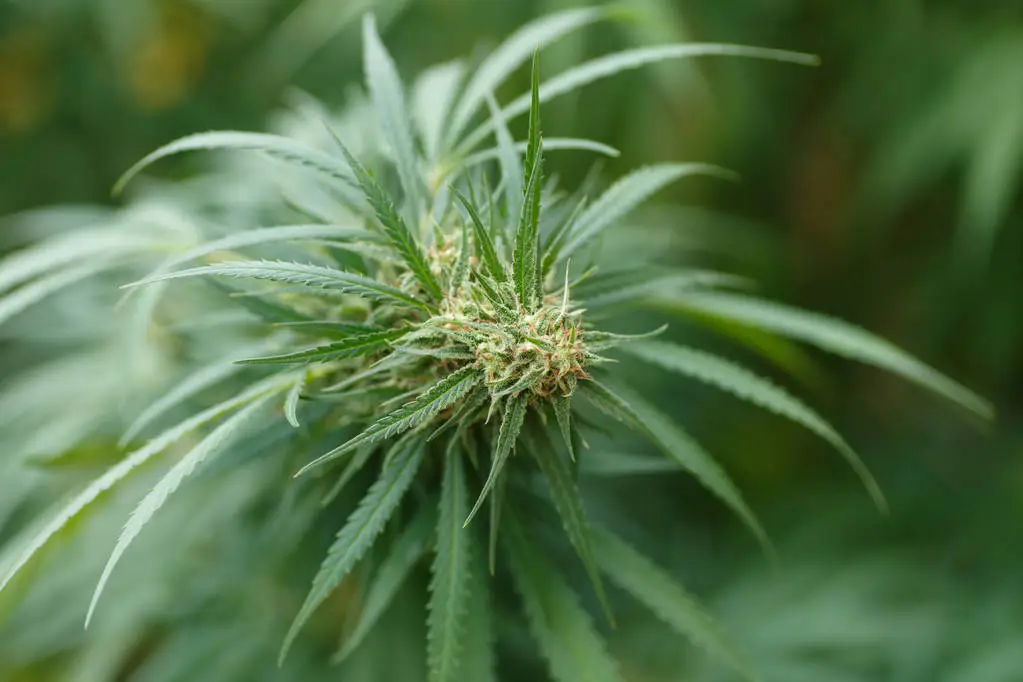
Cultivation has also expanded considerably. Farmers planted 4,400 hectares of the local “baladiya” variety this season, more than three times the area cultivated last year. Authorities say the rapid growth underscores how quickly Morocco’s legal cannabis sector is taking shape following years of debate over how to regulate one of the nation’s most well-known crops.
The move is also seen as a step toward boosting rural economies in cannabis-growing regions, providing new opportunities for farmers while positioning Morocco as a potential international supplier in the expanding global marijuana industry.
The government legalized cannabis cultivation for medical, cosmetic and industrial purposes in 2021, though recreational use remains prohibited. Since then, officials have worked to transition what has long been an informal economy into a regulated system designed to benefit farmers while drawing new tax revenue. Supporters say the licensing of finished products represents a turning point, showing that Morocco is not only cultivating cannabis but also beginning to develop a value-added industry that could reach international markets.
Sponsors: