By John Carmichael
Every single state that borders Pennsylvania has legalized recreational cannabis. New Jersey, New York, Delaware, Maryland, Ohio. All of them. Pennsylvania is the last holdout in the region, and at this point, it’s not because the votes aren’t there. It’s because Harrisburg can’t agree on how to do it.
I work with cannabis patients across 21 states, and the conversations I have with people in Pennsylvania are different from anywhere else. There’s this frustration that sits right below the surface. They watch their neighbors drive 20 minutes across a state line and buy whatever they want while they’re stuck navigating a medical program just to access the same plant. And now they’re being told to wait. Again.
So let’s talk about what’s actually happening in Pennsylvania, what’s not happening, and what patients can do right now instead of holding their breath for the legislature.
Where Things Stand in Harrisburg
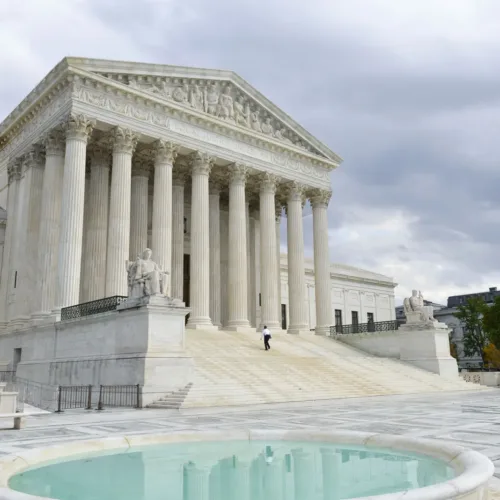
Here’s the short version. The Pennsylvania House passed a recreational legalization bill in May 2025. House Bill 1200 went through on a party-line vote, 102 to 101. Not a single Republican voted for it. The bill proposed selling cannabis through state-run stores, similar to how Pennsylvania handles liquor. The Republican-controlled Senate took one look at it and shut it down.
Senator Dan Laughlin, a Republican from Erie who actually supports legalization, called the state-store model “dead on arrival.” He and Senator Sharif Street, a Democrat from Philadelphia, have their own proposal that would use private retail instead. But that bill hasn’t moved either. Senate Majority Leader Joe Pittman has stayed noncommittal, and the Republican caucus remains split.
Governor Shapiro has included legalization in three consecutive budget proposals. His latest pitch projects $250 million in annual revenue and $1.3 billion over five years. He keeps pointing out that Pennsylvania is hemorrhaging money to neighboring states. And he’s right. But the governor can’t sign a bill that doesn’t land on his desk.
NORML’s regional director, Chris Goldstein, summed it up in February 2026: “We are still spinning our wheels in Pennsylvania.” That’s about as honest an assessment as you’ll find.
The Border Problem Nobody in Harrisburg Wants to Talk About
While the legislature debates, Pennsylvania residents are voting with their feet and their wallets.
Dispensary operators in New Jersey and other bordering states have reported that up to 60% of their customers are from Pennsylvania. More than half the foot traffic in some of these stores is coming from across the PA border. That’s tax revenue walking out the door, economic activity going to other states, and every one of those trips technically puts the buyer at legal risk because transporting cannabis across state lines remains a federal offense.
Meanwhile, more than 10,000 people were arrested for cannabis possession in Pennsylvania in 2025 alone, in a state completely surrounded by legal markets. Philadelphia has decriminalized small amounts, but that’s a city ordinance. State law still treats possession without a medical card as a criminal offense. The disconnect between what’s happening on the ground and what’s happening in the capitol building is hard to overstate.
What Pennsylvania Patients Actually Have Right Now
Here’s the thing that gets lost in all the legalization noise. Pennsylvania already has a massive medical cannabis program. It’s one of the largest in the country.
Close to 440,000 patients are registered. There are 185 licensed dispensaries operating across the state and 30 growers and processors supplying them. The program covers 24 qualifying conditions, including anxiety, chronic pain, PTSD, opioid use disorder, cancer, epilepsy, and neuropathies. Telemedicine evaluations are fully approved, so you don’t need to sit in a waiting room or take a day off work. And dispensary sales topped $1.3 billion through the first three quarters of 2025, up over 4% from the year before. This is not a small program.
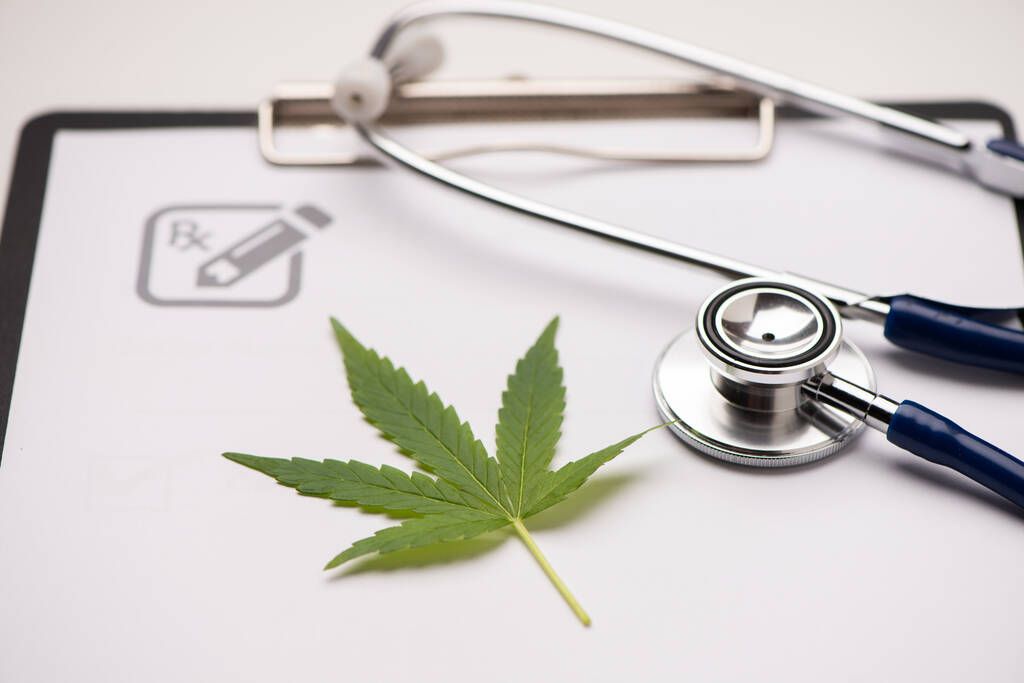
For PA residents who qualify, the medical card is the only legal way to buy cannabis without crossing a state line. It’s not a workaround. It’s not a loophole. It’s the system the state built, and right now it’s the only option on the table. If you have a qualifying condition and you’ve been putting off getting certified, there’s no strategic reason to wait for recreational. Nobody in Harrisburg can tell you when that’s coming. At MMJ.com, we offer a PA marijuana card service with licensed Pennsylvania physicians who handle the entire certification process through telehealth. Most patients are done in under 20 minutes.
The Process Takes Less Time Than Your Morning Commute
I think a lot of people assume the medical card process in Pennsylvania is complicated because the state is complicated. It’s really not.
You need a qualifying condition and a certification from an approved physician. That physician can evaluate you over video or phone. You get certified, register with the state’s Medical Marijuana Program, pay the $50 state fee for your ID card, and you’re in.
The card is valid for one year. Renewals follow the same process. At MMJ.com, the physician consultation is $149.99, and you can schedule a telemedicine evaluation any day of the week. If you don’t get approved, you don’t pay. That’s it.
Compare that to the alternative: driving to New Jersey, paying recreational prices plus 6.625% tax plus local fees, and hoping you don’t get pulled over on the way back with product that’s technically illegal the moment you cross the state line. The math and the risk both point in the same direction.
What Might Actually Move the Needle
I’m not going to pretend legalization is never happening in Pennsylvania. There are real forces pushing this forward.
In December 2025, President Trump signed an executive order directing the reclassification of cannabis from Schedule I to Schedule III under the Controlled Substances Act. That doesn’t legalize anything at the state level, but it gives Republican lawmakers political cover. State Representative Emily Kinkead, who co-sponsors a legalization bill with a Republican counterpart, said afterward that she’s “even more optimistic” about 2026. Senator Laughlin and Senator Street’s private retail model has bipartisan bones. And the fiscal argument keeps getting louder, with the governor projecting over $200 million in annual tax revenue once a market is running.
There are also smaller bills worth watching. SB 76 would allow medical patients to grow cannabis at home, which would be a significant expansion of patient rights. HB 878 would stop penalizing medical patients for trace amounts of THC in their system while driving. And the broader crackdown on unregulated hemp products in gas stations and smoke shops is creating pressure to bring everything under a regulated framework.
Could 2026 be the year it finally happens? It’s possible, but it could just as easily drag into 2027 or beyond. The honest answer is that nobody knows, and the people who claim they do are guessing.
Don’t Wait for Harrisburg
Pennsylvania patients have been hearing “maybe next year” for a while now. The House passed a bill. The Senate killed it. The governor pushed it. The caucus stalled. It’s a loop.
What isn’t a loop is the medical program. It exists, it works, it covers two dozen conditions, it’s served by nearly 200 dispensaries, and the certification process takes less time than most people spend deciding what to order for dinner. If you qualify, the card gives you legal access to tested, regulated cannabis today, not next session and not after the next election.
Rec legalization will probably happen in Pennsylvania eventually. But “eventually” doesn’t help you this month. The medical card does.