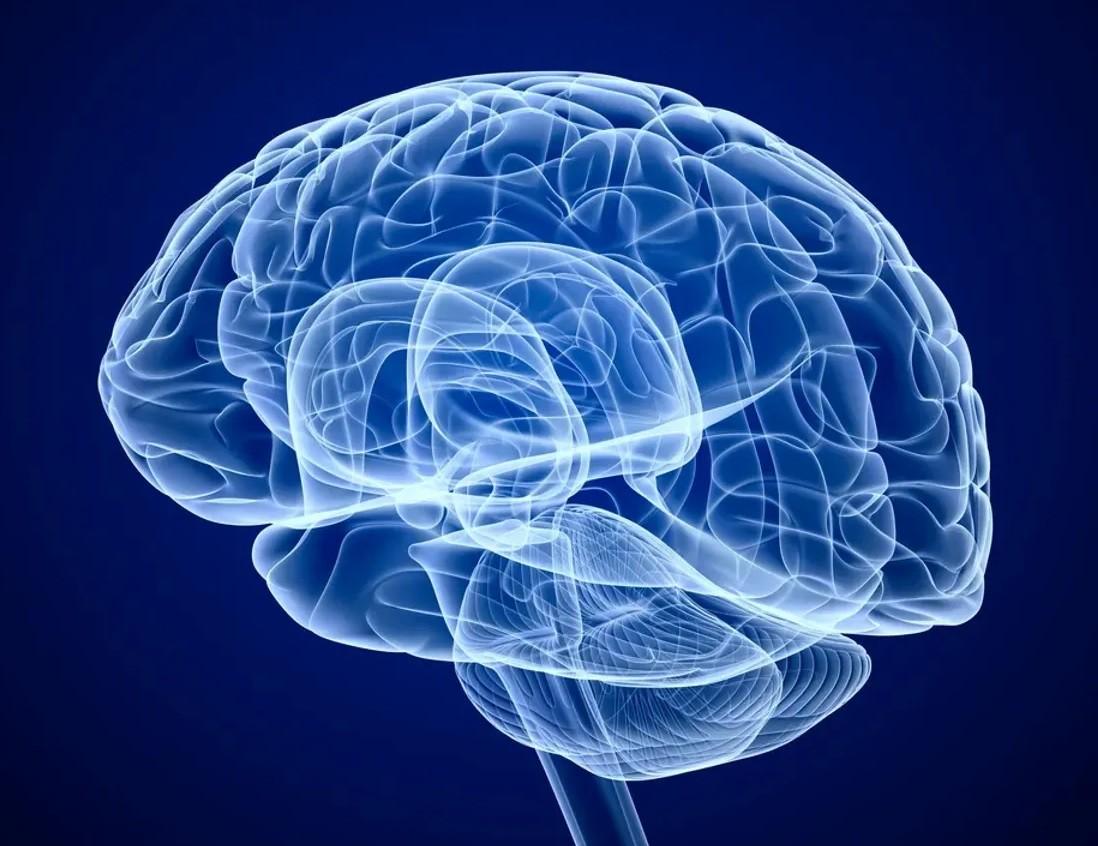
A new study published by Acta Biochimica et Biophysica Sinica found that cannabidiol (CBD) may help protect against a form of cell death associated with traumatic brain injury.
The study, conducted by researchers from Kunming Medical University and the Affiliated Hospital of Traditional Chinese Medicine of Chongqing Three Gorges Medical College, examined CBD’s effect on ferroptosis, a type of iron-regulated cell death that has been linked to traumatic brain injury (TBI).
“TBI can cause severe neurological damage,” the researchers wrote in the study’s abstract, noting that ferroptosis is “closely associated with TBI.” Although CBD has previously shown neuroprotective effects, the researchers said its role in preventing ferroptosis after brain injury has remained unclear.
Using both rat models of TBI and in vitro cell experiments, researchers found that traumatic brain injury triggered ferroptosis, while CBD significantly reduced it. According to the study, “CBD significantly inhibits ferroptosis in TBI rats both in vivo and in vitro.”
The researchers also used RNA sequencing to examine changes in microRNAs and messenger RNAs following brain injury. Their analysis identified miR-320-3p, Negr1 and the ERK/MEK pathway as key parts of CBD’s apparent protective mechanism.
The study found that CBD reduced expression of miR-320-3p, increased expression of Negr1 and suppressed activity in the ERK/MEK pathway. When researchers interfered with those pathways, including by increasing miR-320-3p or silencing Negr1, CBD’s protective effect against ferroptosis was weakened.
The findings suggest that CBD’s effect may work through the miR-320-3p/Negr1/ERK signaling pathway, with Negr1 appearing to be a target of miR-320-3p.
“In conclusion, our findings indicate that CBD can inhibit TBI-induced ferroptosis through the miR-320-3p/Negr1/ERK signaling axis,” the researchers wrote.
The study adds to a growing body of preclinical research examining CBD’s potential neuroprotective effects. However, the findings were based on animal and cell models, meaning further research, including human studies, would be needed before drawing conclusions about CBD as a treatment for traumatic brain injury.
Sponsors: