A hemp seed protein treatment helped prevent muscle loss and improve strength in an animal model of muscle wasting (atrophy), according to a study published today in Food Research International.
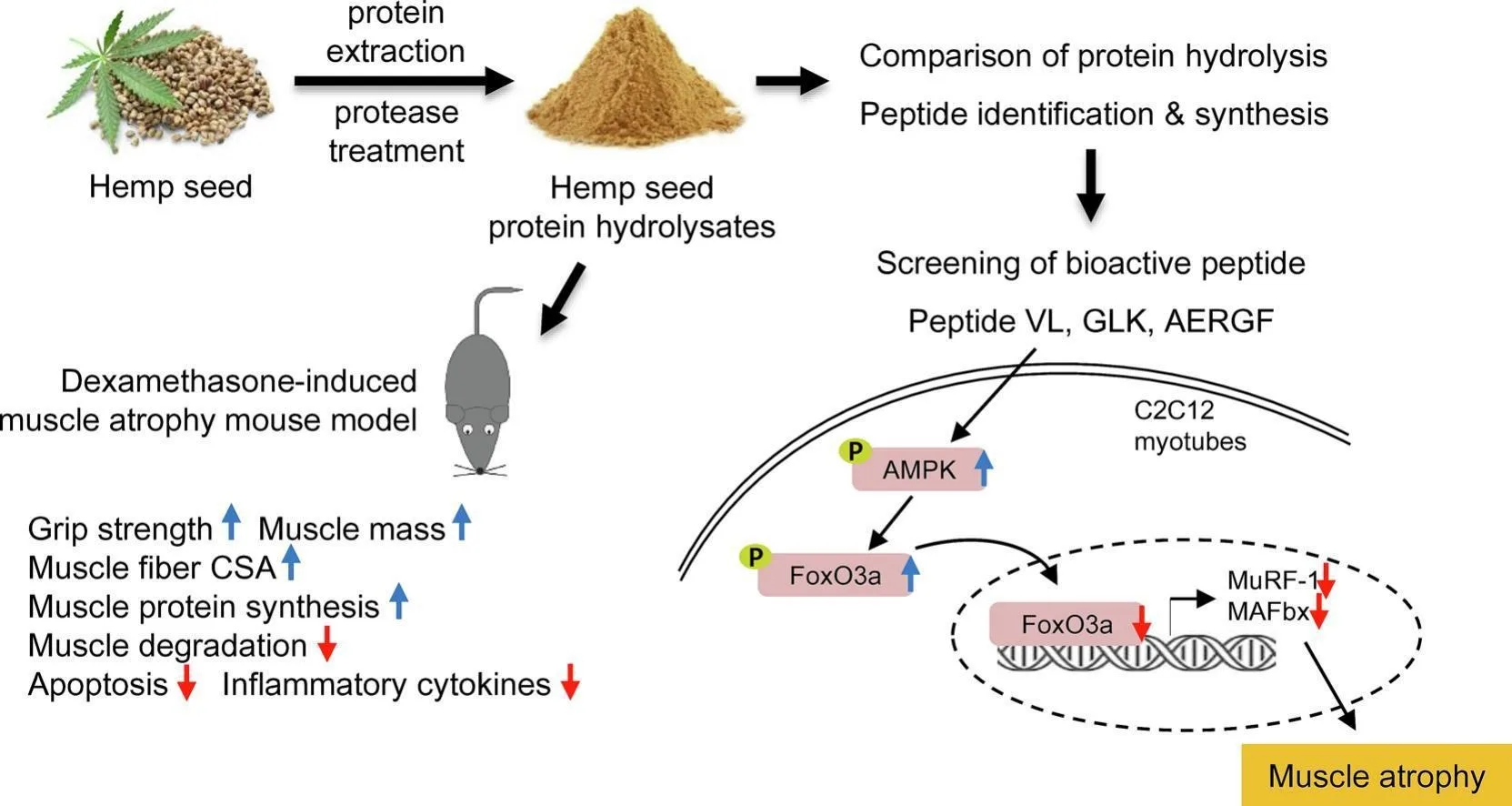
Researchers from Sunway University in Malaysia and several universities in South Korea examined hemp seed protein that had been broken down into smaller peptides through enzymatic hydrolysis.
The researchers produced the hydrolysates using flavourzyme, an enzyme commonly used to break proteins into peptides and amino acids. They then tested the resulting hemp seed protein hydrolysates in muscle cells and a mouse model of atrophy induced by dexamethasone, a corticosteroid that can cause muscle wasting.
In mice, the hemp-derived treatment increased grip strength and muscle mass, with researchers reporting effects stronger than those produced by whey protein.
Further analysis found that the hydrolysates activated biological pathways involved in muscle protein production while suppressing pathways associated with protein degradation, inflammation and apoptosis, or programmed cell death.
The treatment also normalized levels of reactive oxygen species and improved the survival of muscle cells exposed to oxidative stress.
Researchers analyzed the individual peptides contained in the hemp seed protein hydrolysates and identified three — AERGF, VL and GLK — that produced particularly strong protective effects in cultured muscle cells.
The peptides increased the diameter of muscle fibers while reducing the expression of enzymes associated with muscle protein breakdown. They also restored activity involving AMPK and FoxO3a, proteins that help regulate cellular energy use and muscle degradation.
When researchers administered an AMPK inhibitor, the peptides’ protective effects were reduced, suggesting the AMPK pathway plays an important role in how the hemp-derived compounds counteracted muscle atrophy.
“Hemp seed protein hydrolysates and their bioactive peptides effectively mitigate dexamethasone-induced muscle atrophy by positively regulating muscle protein synthesis and degradation pathways,” researchers concluded.
The findings indicate that hemp seed proteins could potentially be developed as functional food ingredients or nutritional products intended to support muscle health. However, the study used mice and cultured muscle cells, and human clinical trials would be required to determine whether the findings translate to people.
Sponsors:




