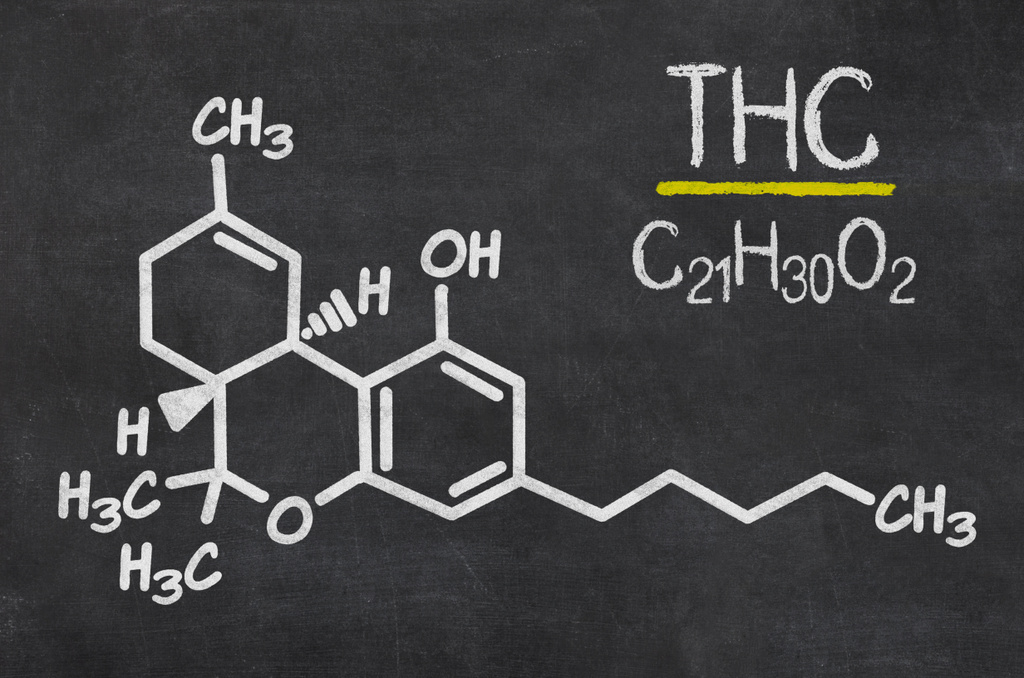
THC reduced further weight loss and prolonged survival in an animal model of anorexia nervosa, according to a study published this week in the journal Physiology & Behavior.
Researchers from Florida State University examined the effects of THC in female rats subjected to an activity-based anorexia model, which combines restricted access to food with unrestricted access to running wheels. The model produces excessive physical activity, reduced calorie intake and rapid weight loss similar to key features of anorexia nervosa.
Unlike previous studies that began cannabinoid treatment before weight loss occurred, researchers waited until the rats had lost approximately 10% to 12% of their initial body weight before administering daily injections of THC or a control substance.
THC significantly slowed additional weight loss and allowed the rats to remain in the study longer before reaching the removal threshold, which was set at a 23% loss of initial body weight.
The treatment’s effects were linked to a selective reduction in excessive running during portions of the dark and light cycles. THC did not increase the amount of food consumed, indicating that it improved energy balance primarily by reducing physical activity and energy expenditure rather than stimulating appetite.
Researchers said the timing of treatment makes the findings more clinically relevant because people generally receive treatment for anorexia nervosa after substantial weight loss and other symptoms have already developed.
Anorexia nervosa is a severe eating disorder characterized by restricted calorie intake, low body weight, excessive activity in some patients and an intense fear of gaining weight. Effective pharmaceutical treatments remain limited, and relapse is common.
The researchers said the findings provide the first evidence that THC treatment initiated after significant weight loss can slow the progression of weight loss in the activity-based anorexia model.
They concluded that therapies targeting the endocannabinoid system may hold potential for treating anorexia nervosa, although human clinical trials would be needed to determine whether the findings translate to patients.