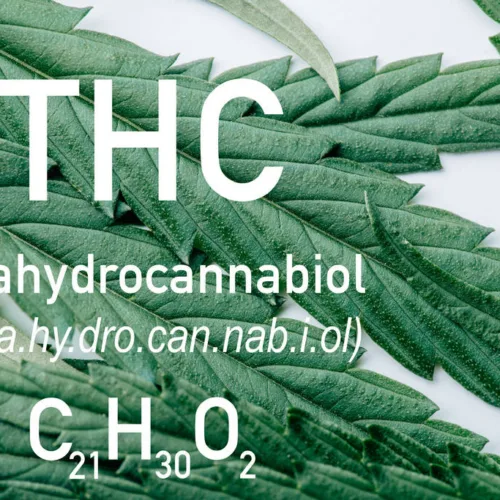
A new study published in the International Dental Journal finds that tetrahydrocannabinol (THC), the primary psychoactive component of cannabis, significantly inhibits the growth and activity of Streptococcus mutans, the bacterium most closely associated with dental cavities.
The research was conducted by scientists from the University of Detroit Mercy and Hebei Medical University, who examined how THC affects both free-floating S mutans cells and the complex biofilms the bacteria form on tooth surfaces. Biofilms allow bacteria to cling to enamel, produce acids, and resist antimicrobial agents—making them a major factor in tooth decay.
Using antimicrobial susceptibility testing, researchers determined that THC at concentrations of 2 micrograms per milliliter was able to inhibit over 90% of S mutans growth. Even at lower concentrations, THC reduced the bacteria’s ability to produce acid, a critical factor in enamel demineralization. In untreated samples, the culture’s pH fell to 4.5 within two hours, while samples exposed to THC showed a slower drop in acidity, delaying the point at which enamel damage typically begins.
The study also found that THC strongly inhibited the formation of new biofilms. Concentrations as low as 1 microgram per milliliter reduced biofilm formation by nearly 88%, while 2 micrograms per milliliter inhibited more than 90%. Imaging and fluorescence testing showed that THC reduced both the number of viable bacteria and the amount of extracellular polysaccharide (EPS), the sticky substance that allows S mutans to adhere to tooth surfaces and form dense colonies.
While THC did not physically break apart already-formed biofilms, it significantly reduced their metabolic activity and viability. At higher concentrations, researchers observed that THC limited bacterial growth inside mature biofilms for up to six hours, suggesting a bacteriostatic effect rather than outright bacterial killing.
Further testing revealed a likely mechanism for these effects. THC was shown to cause rapid hyperpolarization of the bacterial membrane within minutes of exposure. Researchers note that changes in membrane potential are closely linked to bacterial metabolism, energy production, and survival, indicating that THC interferes with essential cellular processes.
The authors conclude that THC may reduce the cariogenic capacity of S mutans by limiting its growth, acid production, and ability to form protective biofilms. They caution, however, that the findings come from an in vitro study and that THC’s known psychoactive and systemic effects limit its practical use as a dental treatment. Instead, the findings may help guide the development of safer cannabinoid-based compounds that target oral bacteria without psychoactive properties.
According to the researchers, this work provides early scientific evidence that cannabinoids may influence oral health in ways not previously well understood and could open new avenues for developing anticavity therapies based on cannabinoid chemistry.