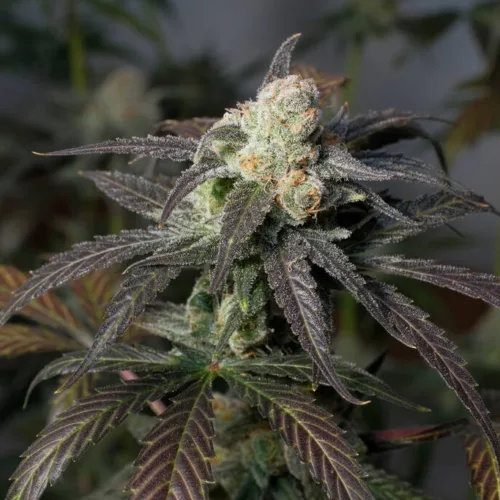
A study published today by the journal Gene Reports found that a marijuana extract used alongside aerobic exercise was associated with favorable changes in gene activity tied to inflammation and metabolic signaling in rats with fatty liver.
The research, conducted by scientists from Islamic Azad University, looked at whether combining exercise with a cannabis plant extract could help counter some of the molecular changes linked to fatty liver disease. Researchers used 40 male Wistar rats, dividing them into five groups, including healthy controls and groups with fatty liver that received either the cannabis supplement, aerobic exercise, or both.
To trigger fatty liver, the rats were given a high-fat diet. The exercise groups then underwent treadmill training five days a week for six weeks, while the supplement groups received a daily hydroalcoholic extract of the cannabis plant at 100 milligrams per kilogram over the same period.
According to the study, rats with fatty liver had lower expression of the AKT and PI3K genes in blood compared to healthy animals. These genes are involved in important cellular signaling processes tied to metabolism and survival. The group that received both marijuana supplementation and aerobic exercise showed higher expression of those genes than the untreated fatty liver group.
Researchers also found that fatty liver was associated with increased expression of IL-6 and MCP-1 in heart tissue, two inflammatory markers often linked to tissue stress and damage. The group given both the cannabis extract and exercise had lower expression of those inflammatory genes compared to rats with fatty liver that received no intervention.
The findings add to a growing body of research suggesting that marijuana compounds may influence inflammation and metabolic function, particularly when combined with healthy lifestyle interventions such as exercise. Still, the study was conducted in rats, not humans, and the researchers say more work is needed before drawing firm conclusions about how these findings might translate to people.
They note that future studies should measure protein activity and include functional heart assessments to determine whether the gene-expression changes seen here lead to meaningful physiological benefits.