A new report commissioned by the Richard M. Fairbanks Foundation and conducted by RAND finds that Indiana residents spend an estimated $1.8 billion a year on cannabis, despite the state maintaining some of the nation’s most restrictive cannabis laws.
The report, Indiana’s Cannabis Landscape, found that annual marijuana spending among Hoosiers likely ranges from $1.2 billion to $2.6 billion, with daily and near-daily consumers accounting for most of the market.
Although Indiana continues to prohibit marijuana possession and sales, the report found that access remains widespread. Roughly 44% of Indiana residents, or nearly 3 million people, live within a 50-mile drive of a licensed dispensary in neighboring Illinois, Michigan or Ohio. Around 96%, or 6.5 million Hoosiers, live within 100 miles of a licensed dispensary.
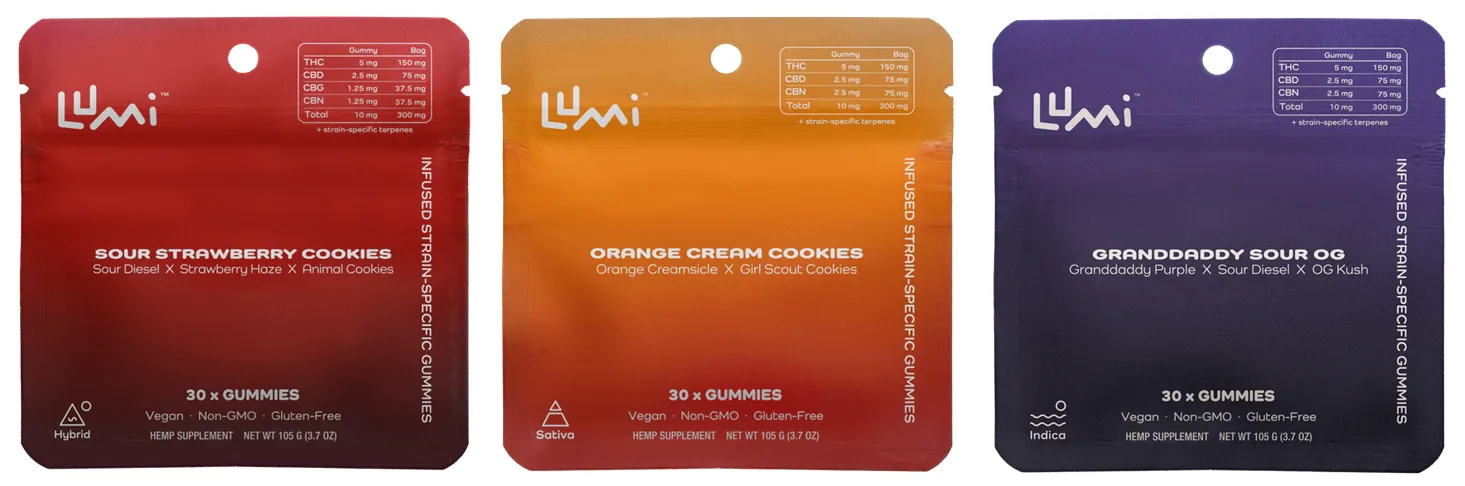
The report also notes that intoxicating hemp products remain widely available in Indiana. While state officials have said hemp products with no more than 0.3% delta-9 THC are legal and synthesized cannabinoids such as delta-8 THC are not, enforcement has not been a priority for many state and local officials.
Marijuana use in Indiana has more than doubled over the past decade. In 2011 and 2012, 6% of residents 12 and older reported using marijuana in the past month. By 2023 and 2024, that figure had increased to 16%. The report estimates that about 1.3 million Indiana residents 12 and older used marijuana in the past year, while 929,000 used it in the past month and 433,000 used it daily or near-daily.
At the same time, youth marijuana use has declined over the past decade.
Indiana reported 13,250 marijuana arrests in 2024, with more than 90% involving possession rather than sales or production. More than 75% of marijuana arrests included another non-marijuana charge, and the report found that most charges were dropped or not filed.
Public health data showed mixed trends. Treatment admissions where marijuana was listed as the primary drug have remained relatively steady for most age groups, though admissions among adults ages 18 to 29 declined from 3,445 in 2018 to 1,559 in 2023.
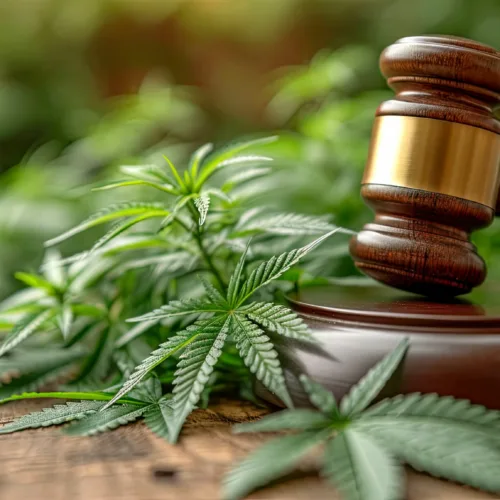
The report comes as Indiana lawmakers and officials continue debating whether to change the state’s marijuana laws, even as most neighboring states already allow some form of legal marijuana access.
The foundation also released a separate policy-focused report outlining several paths Indiana could take, including maintaining prohibition, reducing criminal penalties for possession, creating a regulated adult-use market or legalizing medical marijuana. That report estimated legalization could generate about $180 million in annual tax revenue five years out, with a range of roughly $100 million to $270 million depending on policy choices, while current marijuana-related criminal justice costs are estimated at $10 million to $20 million annually.