Researchers from the Stephan Angeloff Institute of Microbiology have published new findings in Global Medical Genetics suggesting that cannabidiol (CBD) may play a role in reshaping gene activity in chronic myeloid leukemia (CML) cells.

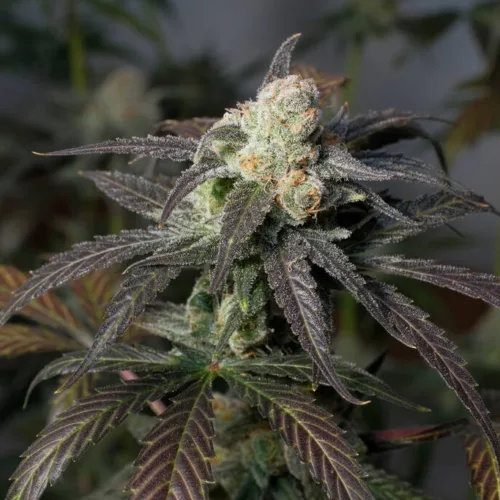
Concept of herbal alternative medicine, CBD oil, pharmaceutical industry. Dosing biological and ecological hemp plant vegetable pharmaceutical CBD
The study focused on K-562S cells, an imatinib-sensitive leukemia line, which were treated with CBD at an IC50 concentration of 17.69 μM for four and twelve hours. RNA sequencing revealed over 3,400 differentially expressed genes at both time points. Notably, CBD influenced oxidative stress pathways regulated by metallothionein genes (MT1, MT2, SLC30A2) and activated p53-dependent apoptotic markers such as TP53TG3, BBC3, CHAC1, DDIT4, NOXA1, and DAPK2.
Beyond apoptosis, CBD exposure was linked to altered immune signaling, including type I interferon activity, PI3K-Akt-mTOR regulation, and Toll-like receptor signaling—all central to leukemia progression. The compound also appeared to impact lipid metabolism and mitochondrial stability, underscoring its broad influence on cancer-related cellular processes.
The authors conclude that CBD induces sweeping transcriptional and signaling changes that could have therapeutic implications for blood cancers. While additional preclinical and clinical studies are needed, the research lays groundwork for exploring CBD as a potential precision therapy in hematological malignancies.