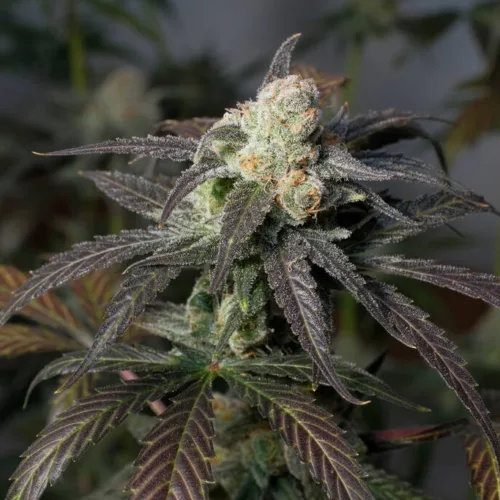
Despite Minnesota legalizing recreational cannabis in 2023, an analysis shows there have been thousands of prosecutions tied to a little-known rule requiring opened cannabis products in vehicles to be stored in a trunk or sealed in original packaging.
An analysis by Minnesota Reformer found that prosecutors have filed more than 3,500 charges, and secured over 1,200 misdemeanor convictions, against people who had cannabis in their cars since legalization began on Aug. 1, 2023. Nearly 500 additional charges have been brought for consuming marijuana in a vehicle.
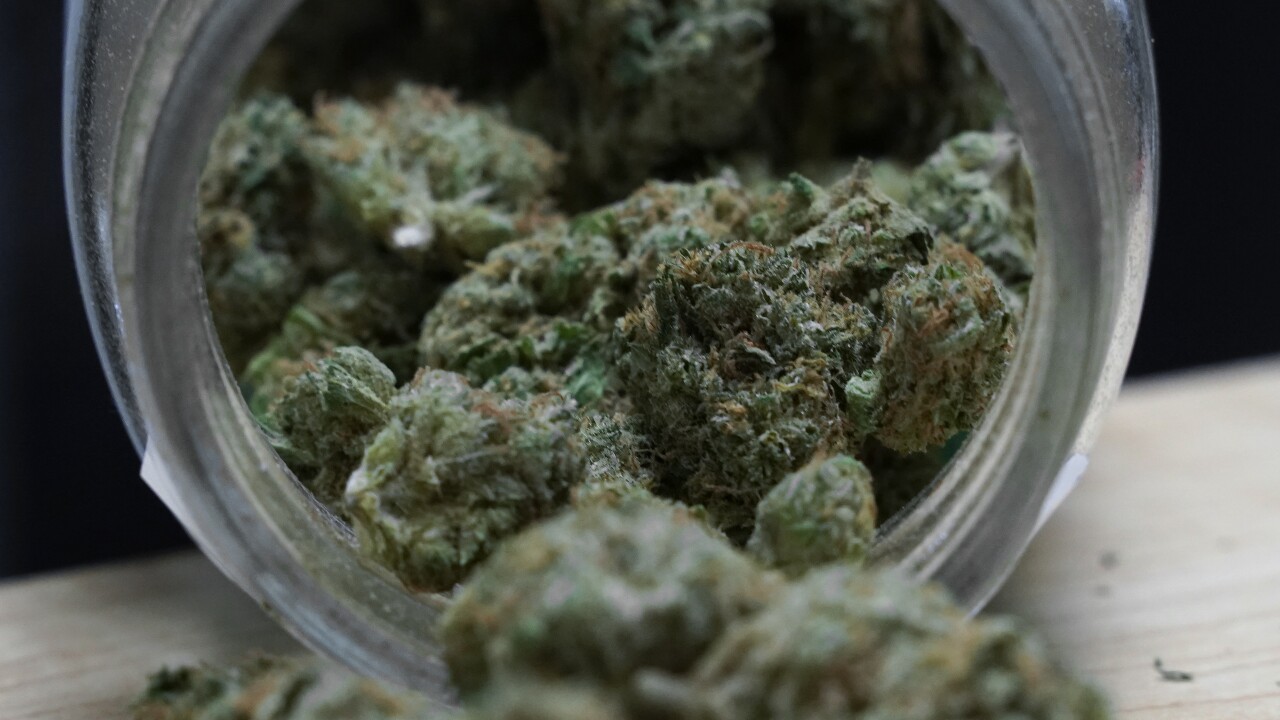
The continued stream of cases stems from a rule that received little public attention, which requires that all cannabis products must be kept in the trunk or cargo area unless they are still sealed in their original, labeled packaging. The requirement applies to flower, vape cartridges, concentrates and edibles. If marijuana is visible or stored anywhere accessible to the driver or passengers, police may issue a misdemeanor citation punishable by up to a $1,000 fine and 90 days in jail.
Defense attorneys say the law has created a new avenue for police to initiate stops and vehicle searches. They warn that officers may lean on the packaging requirement to justify warrantless searches, especially after a 2023 Minnesota Supreme Court ruling barred police from using the smell of marijuana alone as probable cause. If an officer sees marijuana inside the cabin, or a driver voluntarily shows it, a search may follow.
Public defenders report that many people charged had no idea they were breaking the law. Drivers frequently believed that simply possessing a legal product was allowed, even if the package had been opened at home. Several attorneys told Minnesota Reformer that clients were stunned to learn they could face a criminal conviction for a half-used jar in the center console.
The enforcement data also shows racial disparities, with Black Minnesotans making up disproportionately large shares of cases in Hennepin, Ramsey and Dakota counties. In Hennepin County, about 42% of those charged since legalization are Black, despite Black residents representing roughly 13% of the population.
Charging patterns vary widely by county and even by city. McLeod County, with fewer than 37,000 residents, has filed more cases than Ramsey County, home to more than half a million people. Edina, a city of 53,000, has brought nearly as many charges as Minneapolis, despite the latter’s far larger population and workload.
Some prosecutors and police say the requirement exists for a straightforward reason: preventing impaired driving and minimizing easy access to intoxicants behind the wheel. But cannabis attorneys argue the rule is overly broad and treats a resealed jar of marijuana like an open bottle of vodka, rather than a case of beer with a few missing cans, which is legal to store within reach.
Defense lawyers say the picture is especially troubling given the state’s efforts to expunge old marijuana records. They note that low-level packaging violations will not be eligible for expungement in the same way, leaving new criminal records for conduct many Minnesotans assumed legalization had resolved.
As the legal market continues to ramp up and more licensed packaging enters circulation, attorneys hope fewer drivers will be caught off guard by a rule few knew existed, but for now, improperly stored marijuana remains one of the most frequently charged offenses in the state’s post-legalization era.