A new study published in Biochemistry and Cell Biology finds that psilocybin may offer protective effects against skin aging caused by high-glucose and high-lipid diets.
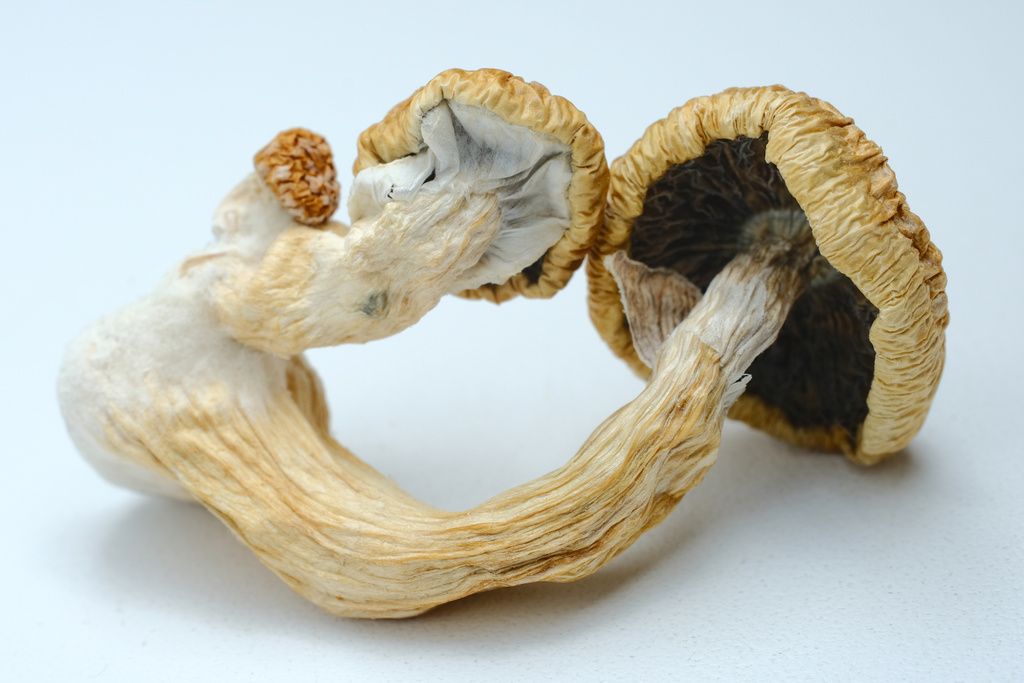
Dried psilocybin mushrooms.
Researchers at the University of Lethbridge found that psilocybin helped preserve cellular health in fibroblasts exposed to stress conditions linked to oxidative damage, inflammation, and collagen breakdown.
The team examined BJ-5ta fibroblasts treated with glucose and palmitic acid to simulate aging. They then tested psilocybin’s impact at different concentrations. Both co-treatment and post-treatment reduced markers of cell aging, with notable improvements in cell viability, decreased apoptosis, and lower activity of senescence-associated beta-galactosidase. Psilocybin also lessened the expression of inflammatory cytokines, including IL-1β, IL-6, and COX-2.
One of the more promising results came from psilocybin’s effect on elastin, a protein crucial for maintaining skin elasticity. Co-treatment at 10 µM significantly increased elastin gene expression, suggesting a role in skin repair and resilience. While fibroblast migration was not significantly improved, researchers say the antioxidative and anti-inflammatory properties of psilocybin indicate potential for future skin-aging therapies.
The authors note that further research is needed to determine optimal dosing, long-term safety, and whether these findings translate to clinical settings.