A key North Carolina committee has approved legislation that will establish a regulatory and licensing system for both kratom and products made from hemp.
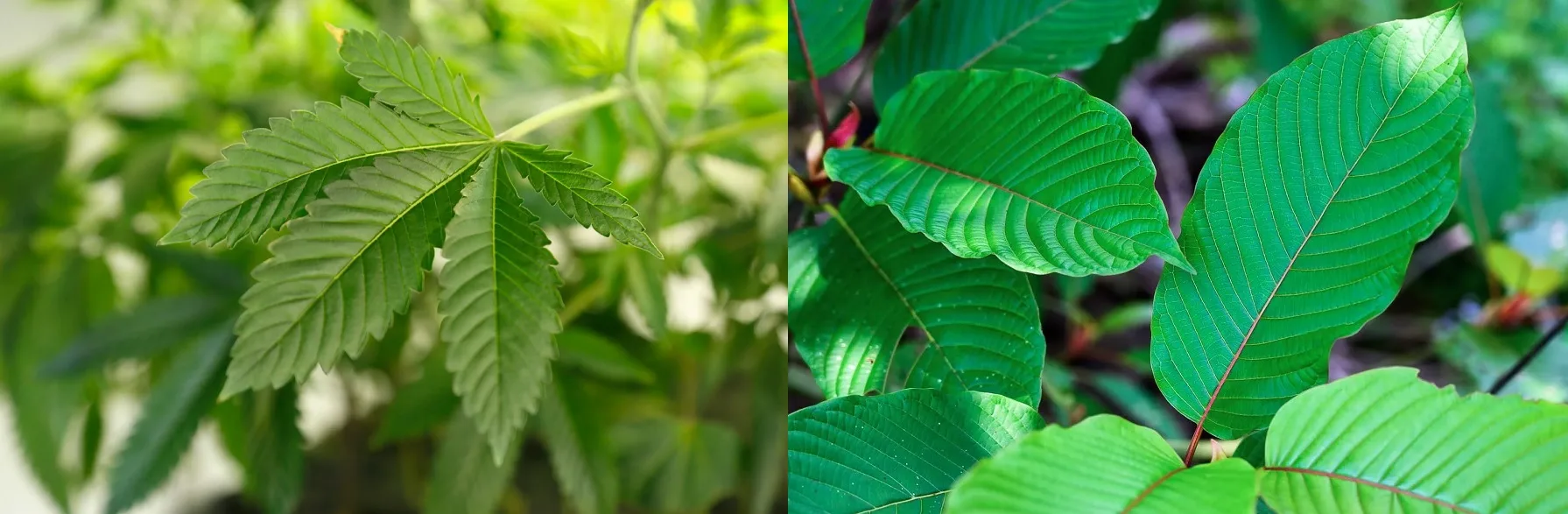
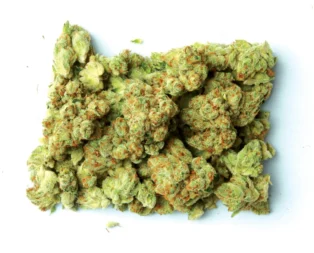
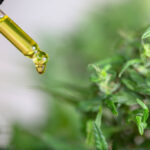
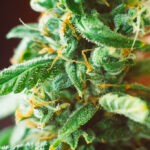
Hemp (left) and kratom (right).
The House Committee on Finance has given a favorable report to House Bill 563, allowing it to be referred to the Rules, Calendar, and Operations Committee (RCOC), the last step before it can be considered by the full House of Representatives. The RCOC held a public hearing on the measure this morning.
According to its official summary, the measure would:
- Regulate the sale and distribution of hemp-derived consumable products and kratom products.
- Require a license to sell, distribute, or manufacture hemp-derived consumable products and kratom products.
- Ban hemp-derived consumable products from school grounds.
The bill states that “Kratom is a tropical tree native to Southeast Asia whose leaves contain two psychoactive ingredients, mitragynine and 7-hydroxymytragynine. The crushed leaves are generally smoked, brewed with tea, or placed into gel capsules.”
Consumption of kratom “produces both stimulant effects (in low doses) and sedative effects (in high doses)”, and it is “currently not a controlled substance and is unregulated and legal in North Carolina.”
House Bill 563 would change this, requiring a specific license in order to legally distribute kratom. A license would also be required to sell “hemp-derived consumable products”, defined as follows:
A hemp product intended for human ingestion or inhalation, that contains a concentration of not more than three-tenths of one percent (0.3%) on a dry weight basis total combined of delta-9 tetrahydrocannabinol, delta-7 tetrahydrocannabinol, delta-8 tetrahydrocannabinol, or delta-10 tetrahydrocannabinol, or any amount of another cannabinoid. This term does not include hemp products intended for topical application, or seeds or seed derived ingredients that are generally recognized as safe by the United States Food and Drug Administration (FDA).
This definition includes consumable products commonly referred to as “CBD”, “delta-7”, “delta-8”, and “delta-10”, and others. It “would not include topical products such as lotions or creams intended to be used externally, or items such as hemp milk that are derived from seed.”
The bill would provide sales restrictions on hemp-derived consumable products and prohibit the
following:
- Selling a hemp-derived consumable product to a person under 18.
- Distributing samples of a hemp-derived consumable product in or on a public street, sidewalk, or
park. - Engaging in the business of selling hemp-derived consumable products without a valid license.
- Selling a hemp-derived consumable product that has a concentration of more than 0.3% on a dry
weight basis total combined of delta-9 tetrahydrocannabinol, delta-7 tetrahydrocannabinol, delta8 tetrahydrocannabinol, or delta-10 tetrahydrocannabinol.
In general, there would be no criminal penalties for violation, but civil penalties could be imposed by the
Department of Revenue (Department) as follows:
- 1st violation – up to $500.
- 2nd violation within 3 years – up to $750.
- 3rd violation within 3 years of the 1st violation – up to $1,000 and 30 day suspension of license.
- 4th or subsequent violation within 3 years of the 1st violation – up to $2,000 and either (i) license
suspension for up to 1 year or (ii) license revocation.
In any case where the Department is authorized to suspend or revoke a license, the Department may accept an offer in compromise of up to $3,000. If the Department accepts the offer in compromise, it may suspend the license, but not revoke it. Additionally, in any case in which the Department imposes a penalty for a violation of selling a product with more than 0.3% THC the seller shall also pay to the Department the actual costs paid by the Alcohol Law Enforcement (ALE) Division for testing the product samples resulting in the violation.
House Bill 563 was filed by State Representative Jeffrey McNeeley along with a bipartisan coalition of 10 other lawmakers. You can find the full text of the measure by clicking here.


Related posts:
Washington Proposes Mandatory Terpene Testing, Sharply Lower Heavy Metal Limits for Medical Marijuan...
DEA Urges Judge to Reject Effort to Reopen Marijuana Rescheduling Hearing, Calls Discovery Request a...