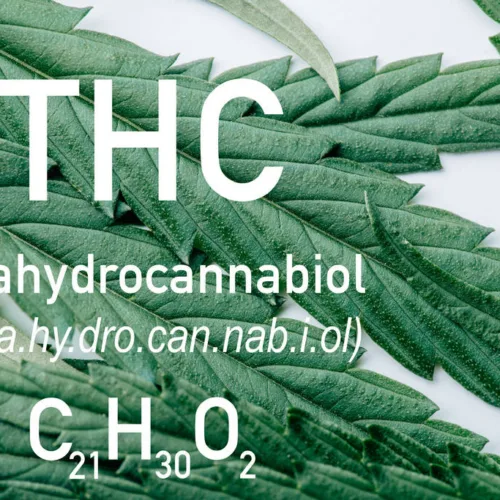
A new study published in the Journal of Clinical Oncology reveals that marijuana capsules containing both tetrahydrocannabinol (THC) and cannabidiol (CBD) significantly reduces chemotherapy-induced nausea and vomiting in patients who have not responded to standard antiemetic treatments.
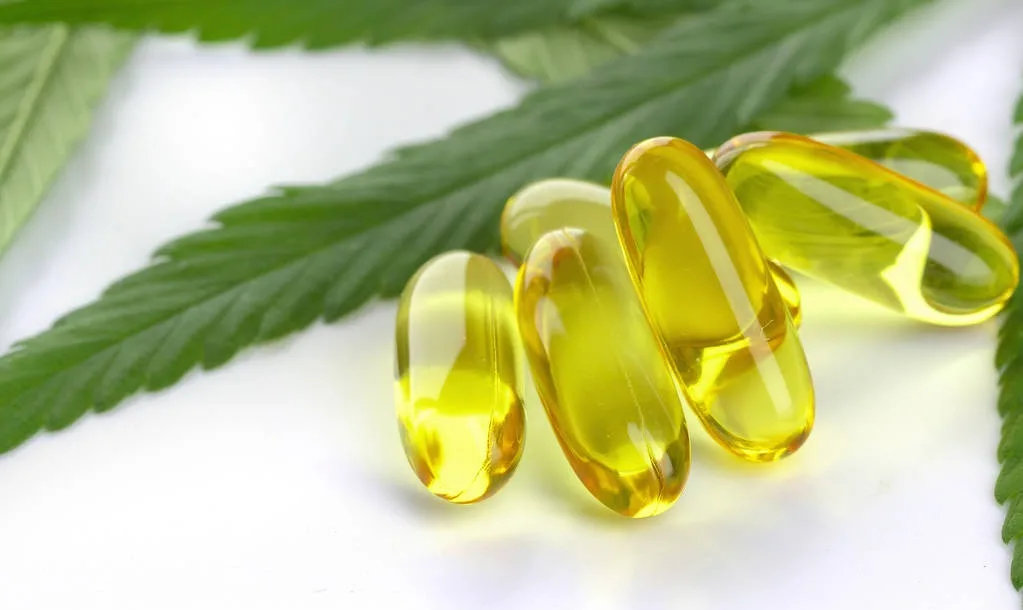
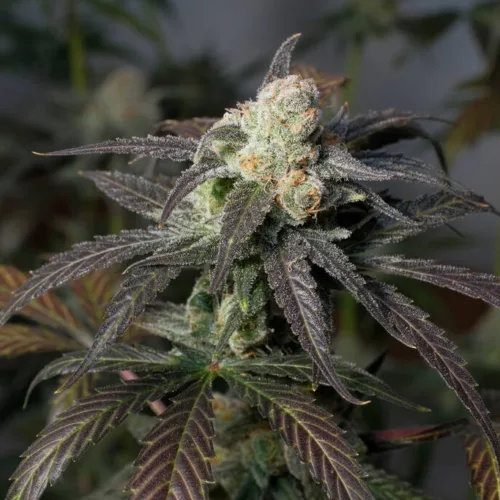
Marijuana capsules.
This randomized, placebo-controlled, phase II/III trial, conducted across 19 hospitals and universities in Australia, is one of the most comprehensive studies to date on the subject.
The study aimed to assess the efficacy of THC capsules as an adjunct treatment for adults suffering from nausea and vomiting during moderately or highly emetogenic chemotherapy, despite receiving guideline-consistent antiemetic prophylaxis. The trial included 147 participants who were given either the THC capsules or a placebo, in addition to their standard antiemetic medication during the first cycle of chemotherapy.
Results from the study were promising. The complete response rate—defined as no vomiting or retching and no use of rescue medications—improved from 8% in the placebo group to 24% in the THC group, with an absolute difference of 16%. In addition to reducing vomiting, the oral cannabis extract was also effective in lessening the severity of nausea, decreasing the need for rescue medications, and improving overall quality of life as measured by the Functional Living Index-Emesis questionnaire.
The study’s abstract highlights the significance of these findings: “THC is an effective adjunct for chemotherapy-induced nausea and vomiting despite standard antiemetic prophylaxis, but was associated with additional adverse events.” Notably, the adverse events associated with THC included sedation (18% vs. 7% in the placebo group), dizziness (10% vs. 0%), and transient anxiety (4% vs. 1%). Importantly, no serious adverse events were attributed to the THC treatment.
The study’s full abstract can be found below:
Abstract
Purpose: The aim of this randomized, placebo-controlled, two-stage, phase II/III trial was to determine the efficacy of an oral cannabis extract in adults with refractory nausea and/or vomiting during moderately or highly emetogenic, intravenous chemotherapy despite guideline-consistent antiemetic prophylaxis. Here, we report results of the prespecified combined analysis including the initial phase II and subsequent phase III components.
Patients and methods: Study treatment consisted of oral capsules containing either tetrahydrocannabinol 2.5 mg plus cannabidiol 2.5 mg capsules (THC:CBD) or matching placebo, taken three times a day from days -1 to 5, in addition to guideline-consistent antiemetics. The primary measure of effect was the difference in the proportions of participants with no vomiting or retching and no use of rescue medications (a complete response) during hours 0-120 after the first cycle of chemotherapy on study (cycle A).
Results: We recruited 147 evaluable of a planned 250 participants from 2016 to 2022. Background antiemetic prophylaxis included a corticosteroid and 5-hydroxytryptamine antagonist in 97%, a neurokinin-1 antagonist in 80%, and olanzapine in 10%. THC:CBD compared with placebo improved the complete response rate from 8% to 24% (absolute difference 16%, 95% CI, 4 to 28, P = .01), with similar effects for absence of significant nausea, use of rescue medications, daily vomits, and the nausea scale on the Functional Living Index-Emesis quality-of-life questionnaire. More frequent bothersome adverse events of special interest included sedation (18% v 7%), dizziness (10% v 0%), and transient anxiety (4% v 1%). There were no serious adverse events attributed to THC:CBD.
Conclusion: THC:CBD is an effective adjunct for chemotherapy-induced nausea and vomiting despite standard antiemetic prophylaxis, but was associated with additional adverse events. Drug availability, cultural attitudes, legal status, and preferences may affect implementation. Future analyses will evaluate the cost-effectiveness of THC:CBD.