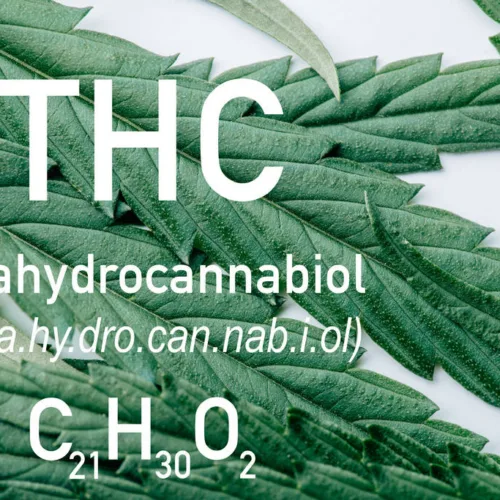
A new study published in Veterinary World and conducted by researchers at Kasetsart University reports that both betel leaf extract and CBD-based formulations offer promising topical alternatives for treating drug-resistant canine pyoderma.
The research team evaluated the antibacterial strength of multiple preparations, including betel leaf extract, a betel leaf nanoemulsion, CBD dissolved in ethanol, water-soluble CBD, and a CBD nanoemulsion. Each product was tested against a panel of canine Staphylococcus isolates, including methicillin-resistant strains that are commonly implicated in persistent skin infections.
According to the findings, traditional solvent-based betel leaf extract and its nanoemulsion both showed strong inhibitory effects, supported by gas chromatography-mass spectrometry results identifying eugenol and hydroxychavicol as the primary active compounds. The betel leaf extract produced the lowest minimum inhibitory and bactericidal concentrations, while the nanoemulsion maintained comparable effects and also demonstrated activity against Pseudomonas aeruginosa.
CBD performed similarly in its solvent-based forms, with ethanol-dissolved and water-soluble CBD producing the strongest antibacterial responses of all tested CBD preparations. The CBD nanoemulsion, however, showed considerably weaker effects.
Researchers noted that these formulations could offer new options for topical antiseptic therapy, particularly as resistance to conventional treatments continues to rise. They emphasized that in vivo trials will be necessary to determine clinical usefulness, safety and the potential benefits of combining betel leaf extract with CBD in a single nanoemulsion for veterinary dermatology applications.