A new study published in the Journal of Medicinal Plants reports that soil composition plays a decisive role in shaping the chemical profile of outdoor-grown hemp, altering cannabinoid levels by wide margins even when cultivars are grown under otherwise identical conditions.
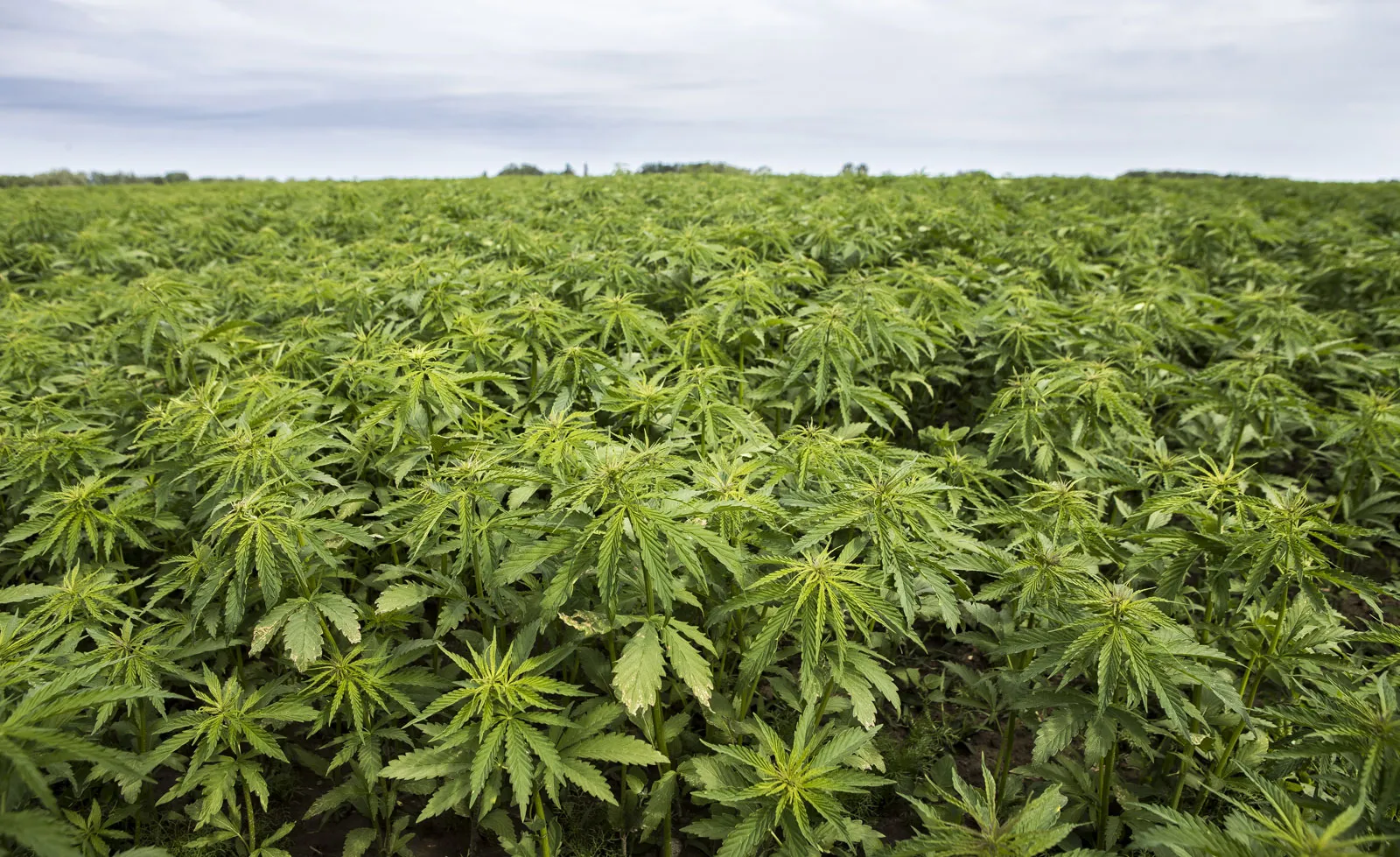
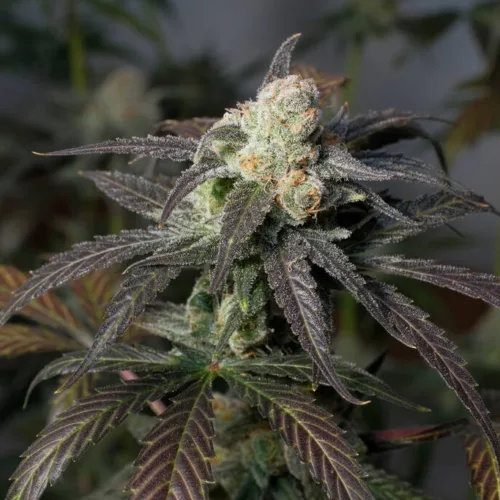
Researchers from Pennsylvania State University compared two popular hemp varieties grown in a conventional tillage field and a cover crop no-till field, finding that shifts in soil preparation were directly tied to significant differences in CBD, CBDA, CBG, and THC concentrations.
The team analyzed Tangerine and CBG Stem Cell inflorescence using supercritical fluid extraction and found that CBD levels in Tangerine were 1.5x higher in conventional fields, while the CBG Stem Cell cultivar produced roughly 2x more CBD in the no-till field.
CBDA also varied sharply, with Tangerine grown in the no-till field showing levels more than six times higher, and CBG Stem Cell displaying more than double the CBDA when grown conventionally. The study further reports that CBG levels were nearly four times higher in CBG Stem Cell grown in the no-till soil, while THC levels in Tangerine were six times higher when cultivated in the conventional field.
Terpene differences appeared only in the conventionally tilled field, where the two cultivars expressed distinct profiles.
According to the researchers, this marks the first documented evidence that outdoor soil conditions alone can substantially alter hemp’s chemical makeup, underscoring the importance of soil choices for cultivators focused on consistent cannabinoid output.