A Virginia legislative committee has formally unveiled a long-anticipated proposal that would establish a regulated, statewide marijuana retail system, a move supported by the state’s governor-elect.
Lawmakers created the Joint Commission to Oversee the Transition of the Commonwealth into a Cannabis Retail Market earlier this year to untangle how Virginia should handle retail legalization after repeated vetoes and stalled efforts. At today’s meeting, the commission rolled out draft legislation that would authorize licensed cannabis businesses across the state, creating a pathway for regulated cultivation, processing, and storefront sales for those 21 and older.
If the General Assembly approves the proposal during the 2026 session and the governor signs it, retail sales could start as early as late 2026. Under the measure, the state would need to issue licenses by September 1, with applications opening July 1.
Right now, Virginia is one of just 24 legal marijuana states that does not allow licensed adult-use sales. Adults 21 and older may possess up to one ounce, grow up to four plants per household, and purchase medical products from licensed processors, but there is no legal way for residents to buy recreational marijuana from a store.
The bill’s introduction lands at a pivotal moment. Governor-elect Abigail Spanberger, who takes office soon, has expressed clear support for launching a regulated retail market. Her position signals a major shift from outgoing Governor Glenn Youngkin, who previously vetoed sales legislation that was approved by the legislature.
The new proposal gives lawmakers a detailed blueprint outlining how licensing, taxation, social equity, and product testing could work. The panel said the proposal includes a “tiered licensing system” that “prioritizes small business”. For the first two years, retail licenses will be limited to 100, which would then be raised to 350. Cannabis would be taxed at 12.75% statewide with cities having the option of placing a local tax of up to 3%.
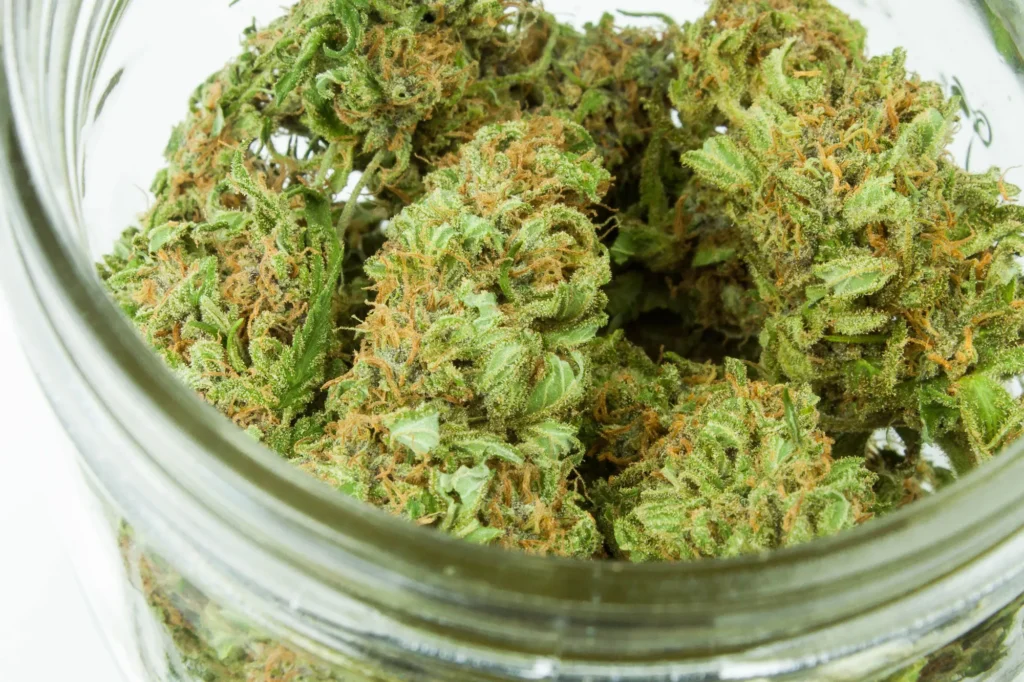
Licensed retailers could sell dried cannabis flower and cannabis concentrates as well as a variety of cannabis products including edibles, tinctures, and topicals. A delivery license would allow retailers to deliver cannabis and cannabis products directly to customers.
Another aspect of the proposal is that it requires that “all marijuana establishment license applicants to have entered into a labor peace agreement with a bona fide labor organization.” It would also direct the committee to “study the establishment and implementation of on-site consumption licenses and microbusiness cannabis event permits, such as farmers markets.”
Importantly, the legislation would not allow cities to opt out of allowing cannabis businesses, with the panel saying that allowing cities to opt out of the legal market is the same as allowing them to opt in to the illicit market.
Legislators will now decide whether to advance the measure when they return to Richmond for the next session early next year.