A new study using an animal model has found that CBD, a compound found in marijuana, may help reduce obesity-related complications by promoting the transformation of white fat into a more metabolically active form.
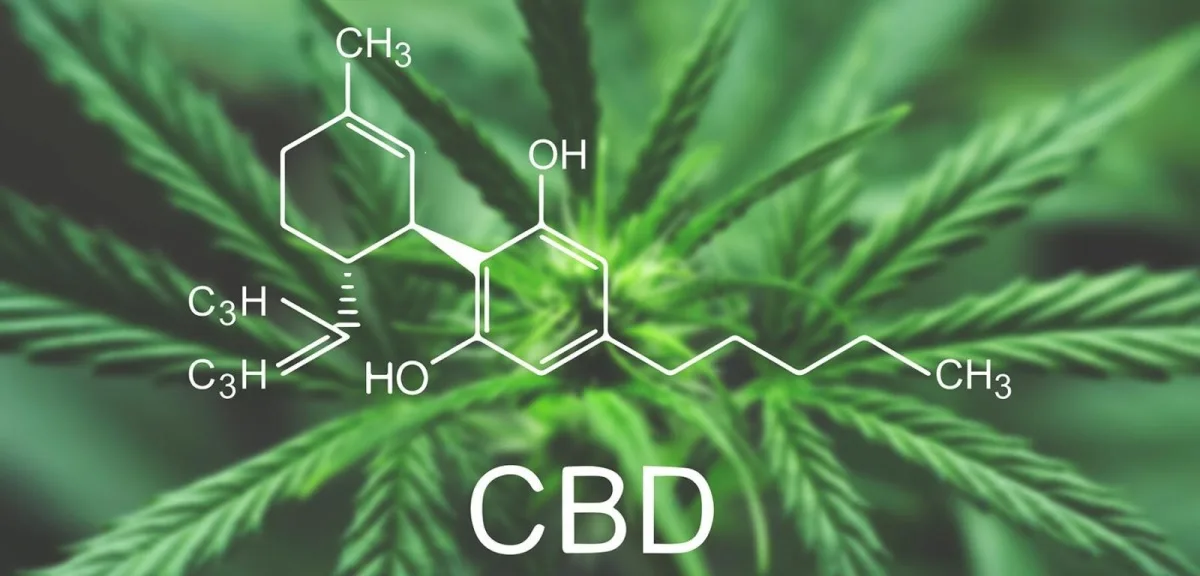
Conducted by researchers at Washington State University and published in the Journal of Nutritional Biochemistry, the study examined the effects of CBD on mice fed a high-fat diet over nine weeks. Mice that received daily CBD supplements experienced less weight gain and had lower blood glucose levels than those on the same diet without CBD. The compound also reduced fat mass and shrank the size of fat cells.
At the molecular level, CBD boosted levels of metabolic regulators like PGC-1α and SIRT1 and increased expression of genes associated with the browning of white fat, including Prdm16 and Ucp1. Browning fat—transforming energy-storing white fat into energy-burning brown-like fat—is considered a promising strategy to treat obesity and metabolic syndrome.
The researchers also observed elevated expression of TRPV1, a receptor believed to play a key role in these effects. Overall, the findings suggest that dietary CBD may support metabolic health and weight control, particularly in the context of a high-fat diet.
Below is the study’s full abstract:
Metabolic syndrome (MetS) is a widespread health concern driven largely by lifestyle behaviors such as dietary choices and physical inactivity. Excessive caloric intake promotes adiposity and dysregulation of metabolic signaling in adipose tissue. This study employed a mouse model of diet-induced obesity to evaluate the ability of cannabidiol (CBD), a cannabis-derived phytochemical, to mitigate metabolic dysfunction. Five-week-old mice received a standard diet or a high-fat diet (HF) with or without CBD (25 mg/kg bw) for 9 weeks. CBD supplementation reduced weight gain and lowered serum glucose concentration in HF mice. These improvements were accompanied by reduced white adipose tissue mass and smaller adipocyte size. Additionally, CBD treatment recovered protein levels of key metabolic regulators, including peroxisome proliferator-activated receptor-γ coactivator 1 alpha and Sirtuin 1, in both inguinal and epididymal adipose tissues. Consistently, CBD supplementation upregulated the mRNA expression of Prdm16 and promoted uncoupling protein 1 at both mRNA and protein levels, showing the browning of adipose tissues. Upstream, CBD supplementation increased transient receptor potential vanilloid 1 (TRPV1) in HF mice at both the mRNA and protein levels, which possibly helped orchestrate the observed improvements. In summary, dietary CBD mitigates weight gain and improves the metabolic health of HF-challenged mice, potentially through the promotion of white adipose tissue browning.