An international team of researchers has found that long-term use of cannabidiol (CBD) significantly reduces seizure frequency in patients with treatment-resistant focal epilepsy, including those with tuberous sclerosis complex (TSC).
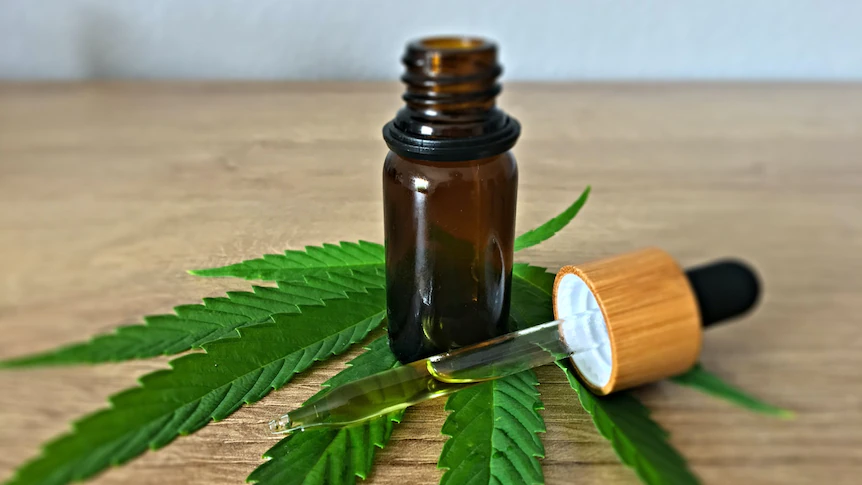
CBD tincture.
Published in Epilepsia, the study analyzed data from 140 patients enrolled in the CBD Expanded Access Program. Of these, 33 had TSC, a rare genetic disorder that often causes focal seizures, and 107 had other focal epilepsy types such as cortical dysplasia, frontal lobe epilepsy, and malformations of cortical development.
Patients were treated with a pharmaceutical-grade, plant-derived CBD oral solution (Epidiolex), starting at doses of 2–10 mg/kg/day and titrated up to 25–50 mg/kg/day depending on tolerance and response. The researchers assessed seizure frequency reduction over a 144-week period.
CBD treatment led to a median seizure reduction of 51% to 87% for focal seizures and 44% to 87% for total seizures in the TSC group. The non-TSC group saw a 46% to 75% reduction in focal seizures and a 45% to 71% reduction in total seizures. Response rates—defined as at least 50% seizure reduction—were similar across both groups.
While adverse events were reported in most participants (91% of the TSC group and 96% of the non-TSC group), the safety profile remained consistent with earlier trials, supporting CBD’s continued use in difficult-to-treat epilepsies.
Researchers conclude that long-term open-label CBD therapy offers meaningful and sustained benefits for patients with a variety of focal epilepsy types.
Sponsors: