Medical marijuana sales in Florida reached nearly $990 million in the first seven months of 2025, according to newly released data from the research firm Headset.
Sales peaked in April at $155.47 million, following a steady rise from $145.60 million in January and $139.42 million in February. March brought a jump to $149.70 million before hitting the April high. After that, sales dropped to $135.74 million in May and further declined to $129.30 million in June. July saw a modest rebound to $133.60 million.
In total, Florida recorded $989,418,130.92 in medical marijuana revenue from January through July.
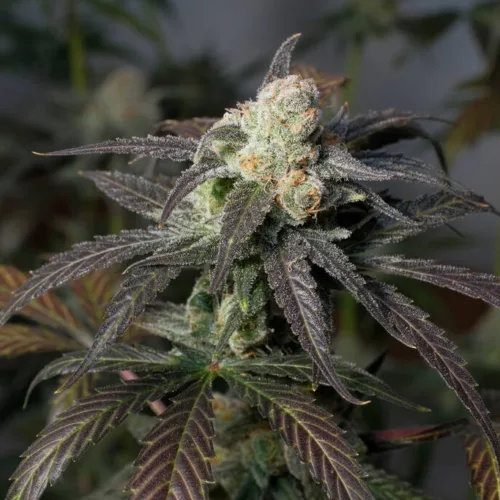
Flower continues to dominate the market, accounting for 45% of all sales. Vapor pens made up 21%, while concentrates and edibles each contributed 12%. The remaining 10% came from tinctures, capsules, topicals, and other delivery methods.
Despite the slight decline in monthly sales after April, Florida remains the country’s largest medical-only marijuana market. The state recently surpassed 920,000 registered patients, reflecting the continued demand and widespread use of medical cannabis across the state.
Florida legalized medical marijuana in two stages. First, on June 6, 2014, Governor Rick Scott signed the Compassionate Medical Cannabis Act (SB 1030), permitting the use of low‑THC, high‑CBD cannabis oil (often referred to as Charlotte’s Web) for patients with certain conditions such as epilepsy and cancer . Then, in the November 8, 2016 general election, voters approved Amendment 2, a constitutional amendment that legalized full-strength medical marijuana for qualifying patients—garnering over 70% support—and paved the way for a comprehensive medical‑marijuana program .
The first state‑licensed medical marijuana dispensary officially opened in late July 2016 in Tallahassee, when Trulieve received authorization and began selling low‑THC cannabis oil under the 2014 law. That storefront marked the first legal retail sale of medical cannabis in Florida