A case study published in Frontiers in Psychiatry details how a 28-year-old man with Tourette syndrome (TS) and ADHD maintained full driving ability despite using large amounts of medical cannabis—up to 10 grams per day.

In the study, researcher from Hannover Medical School, the Medical University of Warsaw, and Ludwig-Maximilians-University Munich “present the case of a 28-year-old male with TS and comorbid attention-deficit/hyperactivity disorder (ADHD) who was medicated by his treating physician with an extremely high dose of inhaled medicinal cannabis (MC) of up to 10 g/d.”
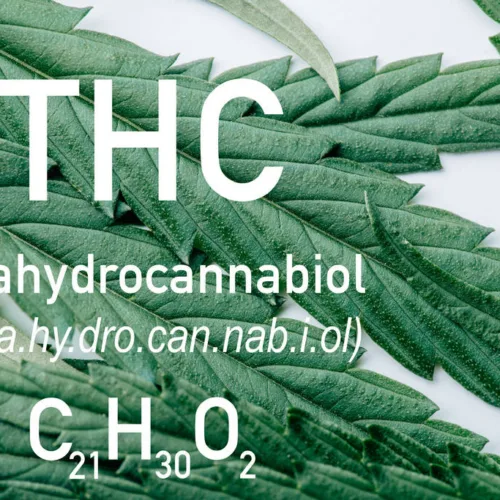
Researchers say they “were interested in the effects of MC on patient’s fitness to drive as well as corresponding serum levels of tetrahydrocannabinol (THC) and its metabolites. Therefore, clinical assessments and computer-based tests (Vienna Test System) were performed at different time points at two consecutive days before and after intake of MC at a dose that was determined by the patient according to clinical need.”
On day 1, “he inhaled a total dose of 3.3 g and 4.1 g MC, respectively, before driving tests were performed. Until the end of the day, he used a total dose of 8.8 g.” On day 2, he took no MC before all tests were completed.
“Remarkably, according to the German Federal Highway Research Institute guidelines, the patient was considered fit to drive in all domains assessed at all time points at day 1 and 2”, states the study. “Higher doses of MC – and corresponding very high THC serum levels – resulted in best results with respect to patient’s driving ability.”
The study notes that “THC serum levels ranged from 19 ng/ml (at day 2 without MC intake at this day) to 364 ng/ml (at day 1 after intake of a total of 3.3 g MC at the same day). No clinically relevant side effects occurred.”
The patient also reported a 90% reduction in tics, improved attention, and better sleep with cannabis treatment, which he had been using for several years without significant side effects or signs of dependency.
The findings reinforce prior research showing that medical cannabis, when prescribed and used regularly, may not impair—and in some cases can improve—driving ability in patients with neurological conditions.
“This case study demonstrates that patients with TS plus comorbid ADHD may be fit to drive even after intake of high doses of medical cannabis”, concludes the study. “In any case, however, every driver, who uses MC, is obliged to check fitness to drive before driving a vehicle.”