A new study published in Frontiers in Drug Delivery details the creation of THC-rich hydrogels designed for safe and sustained topical cannabinoid delivery.
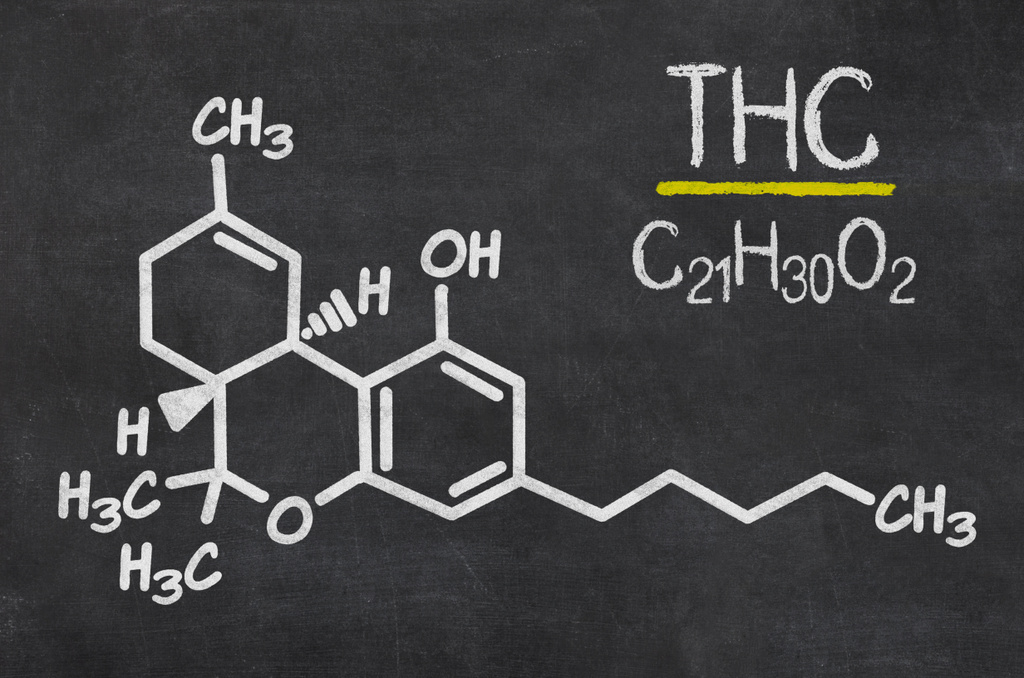
Researchers from Laval University’s dental medicine faculty developed polyvinyl alcohol (PVA)-based hydrogels mixed with propylene glycol (PG), vegetable glycerin (VG), or both to improve THC dissolution and distribution.
The hydrogels demonstrated strong structural stability, elastic properties, and porous formations that allowed for controlled cannabinoid release. Laboratory testing confirmed the presence of THC through FTIR analysis, and cell culture experiments showed that human skin fibroblasts adhered and proliferated on the THC-rich hydrogels at rates comparable to or greater than controls. At 48 and 72 hours, fibroblast proliferation was higher with the PG- and VG-containing hydrogels, suggesting a beneficial interaction between THC release and cell viability.
Release testing found that THC was delivered gradually, with PG and VG slowing the rate of release compared to PVA alone. While the PVA-only hydrogels showed a rapid initial release, the PG and VG formulations achieved a slower, more consistent release over several days. The cumulative data confirmed high loading efficiency, with nearly all of the original THC retained and released from the hydrogels.
The findings indicate that these THC-rich hydrogels are safe for skin contact and could serve as a viable system for topical cannabinoid delivery, particularly for conditions involving tissue inflammation. Researchers conclude that the PVA-PG-VG hydrogels offer a promising platform for future medical applications of THC.