In a phase 2b randomized controlled trial, psilocybin-assisted psychotherapy provided significant and lasting relief from depression and anxiety in people with life-threatening illnesses.
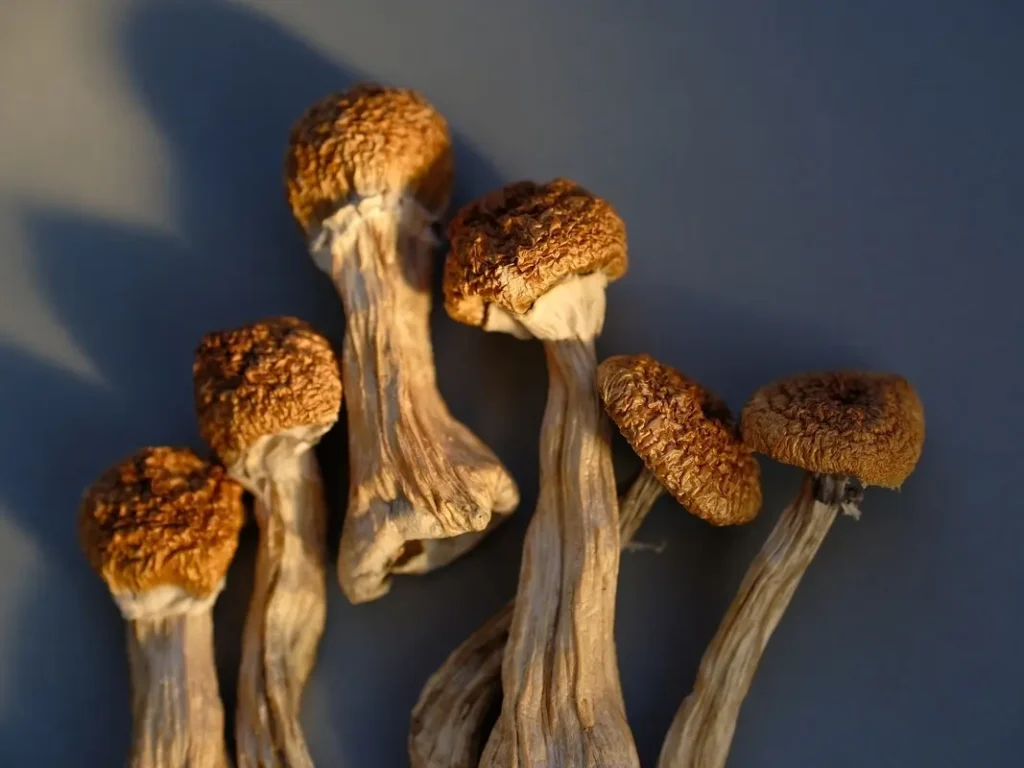
The study, conducted by researchers from St. Vincent’s Hospital Melbourne, Swinburne University, and the University of Melbournem, enrolled 35 participants between 18 and 80 who were experiencing clinically significant depression or anxiety. Participants were randomly assigned to receive either a single 25 mg dose of psilocybin or an active placebo (100 mg niacin), each paired with three preparatory and six integration psychotherapy sessions. After the initial 6–7 week period, all participants were offered psilocybin in an open-label extension, creating one- versus two-dose comparison groups.
Results showed that psilocybin led to substantially greater reductions in depression and anxiety scores compared to placebo. On the Hospital Anxiety and Depression Scale, psilocybin reduced depression symptoms by a large margin (effect size d = 1.12), while the Beck Depression Inventory-II and State Anxiety Inventory showed even stronger improvements. These benefits were sustained for at least 26 weeks after treatment.
Beyond core mood symptoms, participants reported meaningful improvements in quality of life, spiritual well-being, and reduced feelings of hopelessness, demoralization, and death anxiety. No serious adverse events occurred, though mild-to-moderate side effects were more common among those receiving psilocybin. One individual withdrew after experiencing acute anxiety during dosing.
Researchers concluded that psilocybin-assisted psychotherapy appears safe in this context and may provide durable relief for patients facing depression and anxiety linked to serious illness, an area where traditional treatments often fall short.
The study was published by the journal General Hospital Psychiatry, as well as the U.S. National Library of Medicine.