A new case series published in the journal Brain and Behavior finds that cannabis-based medicinal products may help patients living with complex regional pain syndrome (CRPS), a condition marked by severe and chronic pain.
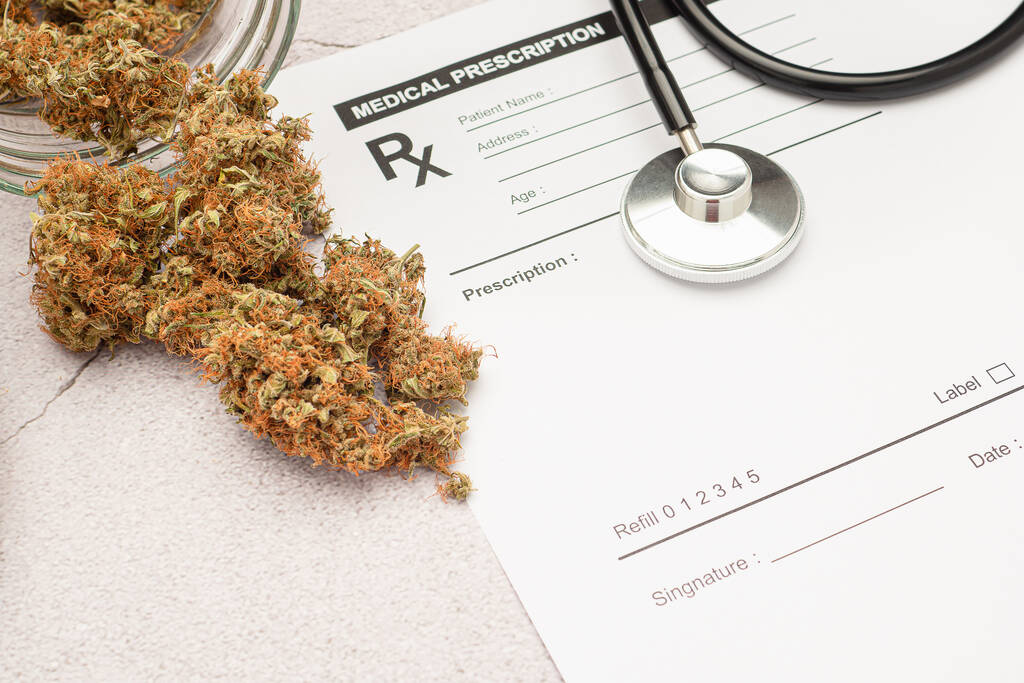
The study, led by researchers at King’s College London and Imperial College London, analyzed six months of patient-reported outcomes from individuals enrolled in the UK Medical Cannabis Registry.
The research included 64 patients who were prescribed cannabis-based medicines for CRPS. At the start, participants reported an average pain severity of 6.69 on the Brief Pain Inventory Short Form. This improved to 5.85 after one month, 5.91 at three months, and 6.05 at six months, with all reductions reaching statistical significance. Similar improvements were noted on the Short Form-McGill Pain Questionnaire-2 and pain visual analogue scale, reinforcing the trend of symptom reduction over time.
Beyond pain, patients also reported meaningful improvements in anxiety, sleep quality, and general health-related quality of life. These findings suggest that cannabis-based treatments may provide a broader benefit for CRPS patients, many of whom struggle with the secondary impacts of chronic pain on daily living.
Safety was also closely monitored. Out of the 64 participants, five reported a total of 50 adverse events. Most were mild or moderate in severity, with no life-threatening complications observed. While the occurrence of adverse events was relatively high at 78.1%, the researchers emphasized that most effects were manageable.
The authors caution that while these results are encouraging, they come from an observational case series rather than a randomized controlled trial. As such, the findings should be interpreted with care. Still, the study highlights the potential of cannabis-based medicines as an emerging treatment option for CRPS and underscores the need for more rigorous clinical trials to establish efficacy and safety.