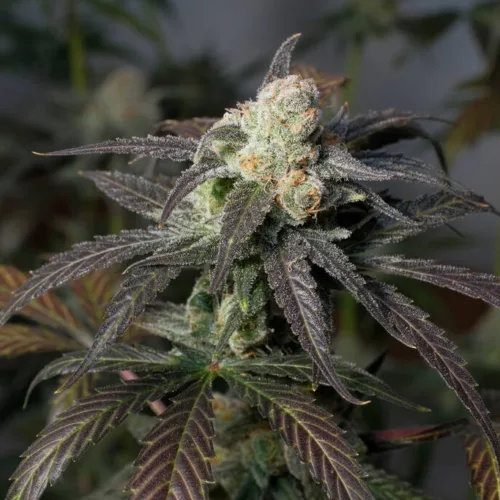
A new study published in the Journal of Parasitology Research reports that adding small amounts of cannabis leaves to fish feed may significantly reduce liver fluke infections in Barbonymus gonionotus, a species widely farmed across Southeast Asia.

Researchers from Khon Kaen University and Rajamangala University of Technology Isan Sakon Nakhon Campus found that the dietary supplement not only lowered infection rates but also strengthened key immune markers tied to disease resistance.
In the experiment, 600 parasite-free fish were exposed to liver fluke cercariae and then fed diets containing between 0% and 2% Cannabis sativa leaves for up to 21 days. The team measured infection rates, metacercaria intensity, survival, immunoglobulin M levels, lysozyme activity, and superoxide dismutase (SOD), an enzyme that plays an important role in countering oxidative stress.
Fish receiving the higher cannabis-leaf concentrations showed sharply reduced infections and better overall health indicators. At the 2% level, the results were especially striking: after 14 and 21 days, the metacercariae present were inactive or fully degenerated, and the fish displayed the highest SOD activity measured in the study—1497.96 U/g FW after 14 days.
Survival also improved as cannabis leaf concentrations increased, and immune markers including lysozyme and IgM rose in parallel. The researchers say the findings suggest that cannabis leaves, which are inexpensive and widely available in the region, could serve as an effective preventive feed additive for aquaculture operations struggling with liver fluke transmission.
The study concludes that incorporating cannabis leaves into fish diets offers a promising, natural method to curb Opisthorchis viverrini infections, potentially reducing economic losses and improving fish health in areas where the parasite is endemic.