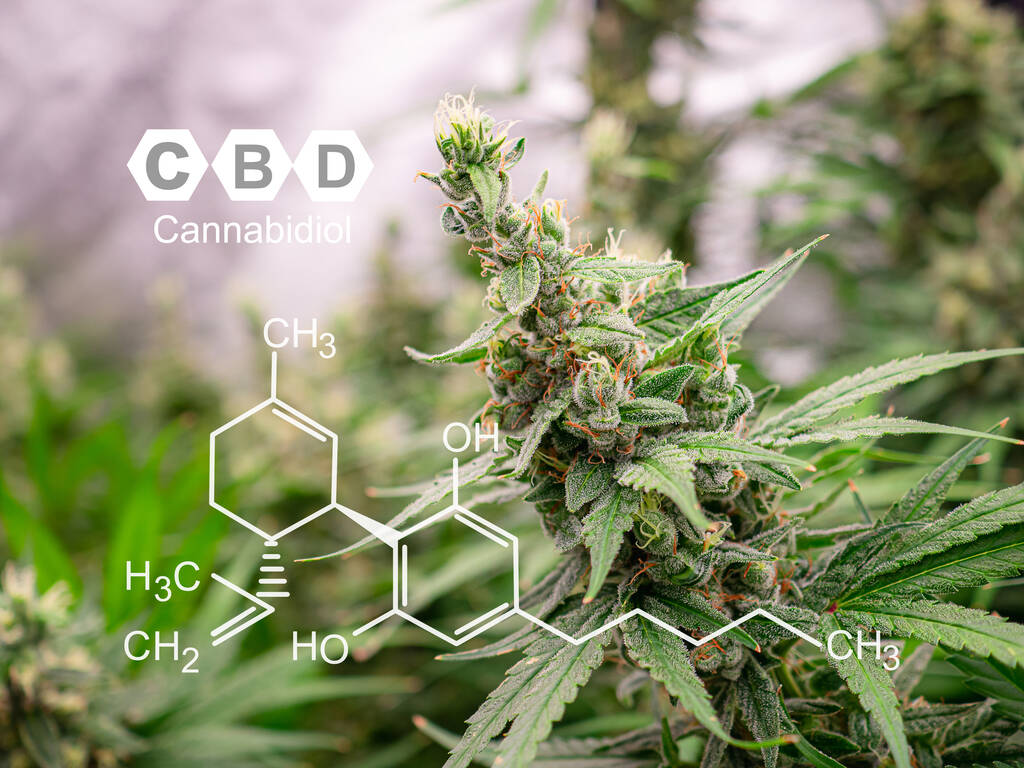
A new study published by Global Medical Genetics reports that cannabidiol may influence drug resistance mechanisms in chronic myelogenous leukemia by reshaping exosomal microRNA signaling, particularly in cells resistant to the frontline leukemia drug imatinib. The research was conducted by scientists from Sofia University “St. Kliment Ohridski” and focused on how cannabidiol, imatinib, and their combined use affect leukemia cells with differing sensitivity to treatment.
Using imatinib-sensitive and imatinib-resistant K-562 leukemia cell lines, researchers examined how each treatment altered exosomal microRNA profiles, which are increasingly recognized as key regulators of cancer progression and treatment response. Exosomes act as molecular messengers, carrying microRNAs that can influence apoptosis, metabolism, inflammation, and drug resistance in surrounding cells.
The study found that cannabidiol alone reduced cell proliferation in both sensitive and resistant leukemia cells, even where imatinib’s effects were limited. When combined with imatinib, cannabidiol consistently enhanced drug activity in resistant cells, producing synergistic effects and allowing for lower effective doses of imatinib. In sensitive cells, the combined response was dose-dependent, ranging from additive to strongly synergistic.
At the molecular level, cannabidiol activated microRNAs linked to apoptosis and tumor suppression in sensitive cells, while resistant cells displayed a mixed response that included both suppressive and oncogenic signaling. Notably, the combination treatment partially restored apoptotic signaling in resistant cells but did not fully reverse the loss of key tumor-suppressive microRNAs. Several resistance-associated microRNAs, including miR-3191-3p, were consistently elevated in resistant cells, highlighting their potential as biomarkers.
Researchers also identified microRNAs connected to HMGB1 signaling, a pathway associated with stress response and drug resistance. The findings suggest that cannabidiol may help resensitize resistant leukemia cells by modifying exosomal communication and restoring aspects of apoptotic regulation.
While the results are limited to cell models, the authors conclude that cannabidiol shows potential as an adjunct therapy to improve imatinib response and reduce drug burden, with circulating microRNAs emerging as promising markers for monitoring resistance.