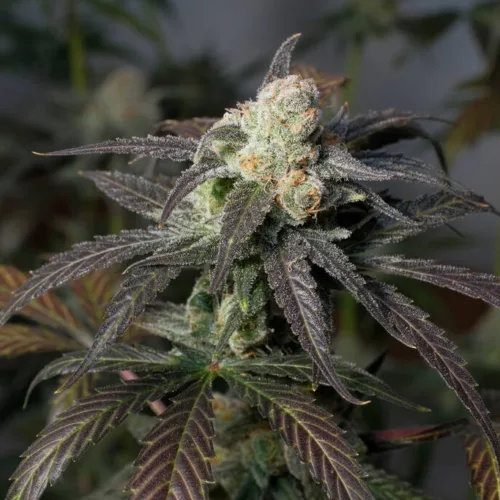
Terpene Belt Farms is partnering with the University of California, Los Angeles to conduct a study (using a $1.23 million state grant) aimed at helping regulators better distinguish naturally occurring cannabis flavor from prohibited additives in inhalable products.
Terpene Belt Farms will work alongside researchers from UCLA, UC Davis and S3 Collective as part of a two-year project funded by the California Department of Cannabis Control. The study, titled Characterization of Naturally Occurring Organoleptic Compounds for Inhalable Cannabis Regulation, will focus on building what researchers describe as California’s first Flower Flavor-Compound Reference Dataset.
The goal is to create a scientifically validated baseline of terpene and volatile compound concentrations found naturally in cannabis flower. Regulators could use the data to determine whether flavor characteristics in vape cartridges and other inhalable products come from the plant itself or from added compounds that are not allowed under state rules.
California prohibits non-cannabis flavor additives in inhalable marijuana products as part of efforts to reduce youth appeal. However, regulators have lacked reference data that clearly defines what levels of flavor compounds occur naturally in cannabis versus what might indicate the addition of outside substances.
According to Nexus, cannabis flower samples for the research will be purchased directly from state-licensed dispensaries, with chemical analysis conducted at the company’s facility using validated laboratory methods.
Pamela Epstein, Chief Legal and Regulatory Officer for Nexus Agriscience, said the collaboration is intended to provide regulators with “rigorous, regulator-ready science grounded in authentic cannabis chemistry” to help close that data gap.
David Vaillencourt, Board Chair of S3 Collective, said the project is designed to translate academic research into standards that can be used in real-world policy and enforcement, giving regulators a clearer framework for evaluating inhalable products.
Researchers expect the findings to influence how inhalable marijuana products are tested, formulated and evaluated in California, and potentially serve as a model for other states considering similar rules around flavor additives and product safety.
Nexus Agriscience, which began in 2019 as Terpene Belt Farms before expanding through a 2025 acquisition and rebranding, focuses on plant-derived ingredients for flavor, fragrance, wellness and pharmaceutical markets. The company says its role in the project is limited to its cannabis-specific research operations under Terpene Belt Farms, separate from its broader hemp and natural ingredients business.