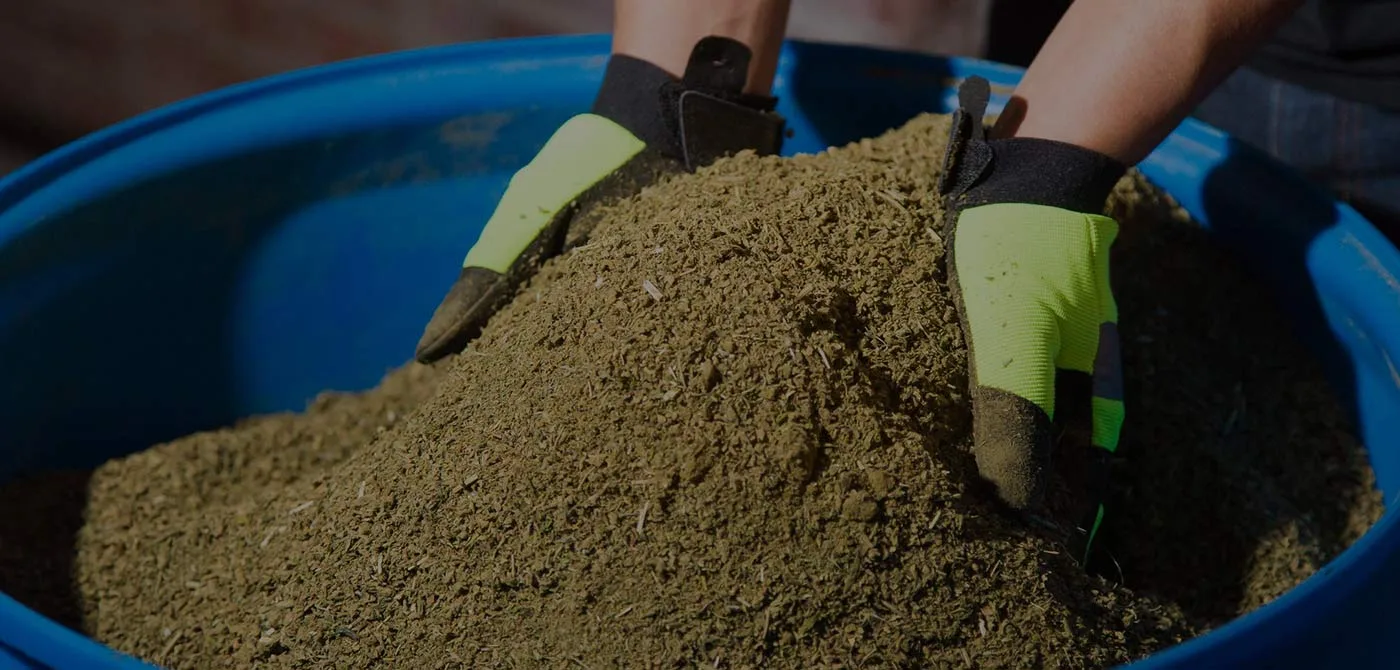
A review of hundreds of peer-reviewed studies published in the journal Cannabis & Cannabinoid Research finds that leftover material from the marijuana plant—often treated as waste—may have significant value across numerous industries, including textiles, bioplastics, fuels and food products.
The research was conducted by scientists from Universidade Estadual de Campinas and Universidade Federal da Bahia in Brazil. Using Preferred Reporting Items for Systematic Reviews and Meta-Analyses guidelines, the team analyzed existing research on how by-products from cannabis can be reused or repurposed. Their review examined studies collected from several scientific databases as well as specialized platforms focused on marijuana research and innovation.
In total, the researchers identified 262 relevant studies addressing the reuse or recycling of marijuana plant residues. Among the most commonly studied materials were stems, which accounted for 48.2% of the research. Seeds represented 21% of studies, while post-extraction residue made up 9.7%. Other parts of the plant, including leaves and roots, were explored far less frequently despite containing bioactive compounds that researchers say may have untapped potential.
Across the studies analyzed, the team documented 328 separate technologies or applications for marijuana plant by-products. The largest share of these uses fell within technological and innovation sectors, accounting for 37.5%, followed closely by industrial applications at 36.9%. Examples included textile fibers, biodegradable plastics, biofuels, functional foods, adsorbent materials used for filtration, and natural cosmetic ingredients.
The review also found that Italy, China and the United States produced the largest volume of scientific work on the topic.
According to the researchers, expanding the reuse of marijuana plant biomass could support a circular economy by reducing agricultural waste while creating new industrial materials and products. However, they note that regulatory barriers and a lack of clinical and toxicological research continue to limit broader use of some marijuana by-products, particularly in food and animal feed.
The study concludes by saying:
The residual biomass of C. sativa holds high technological, environmental, and economic value. Strategic valorization demands regulatory advancement, the development of green technologies, and the strengthening of multidisciplinary research. Industrial Cannabis emerges as a driver of ecological, social, and economic transformation toward sustainable circular production systems.