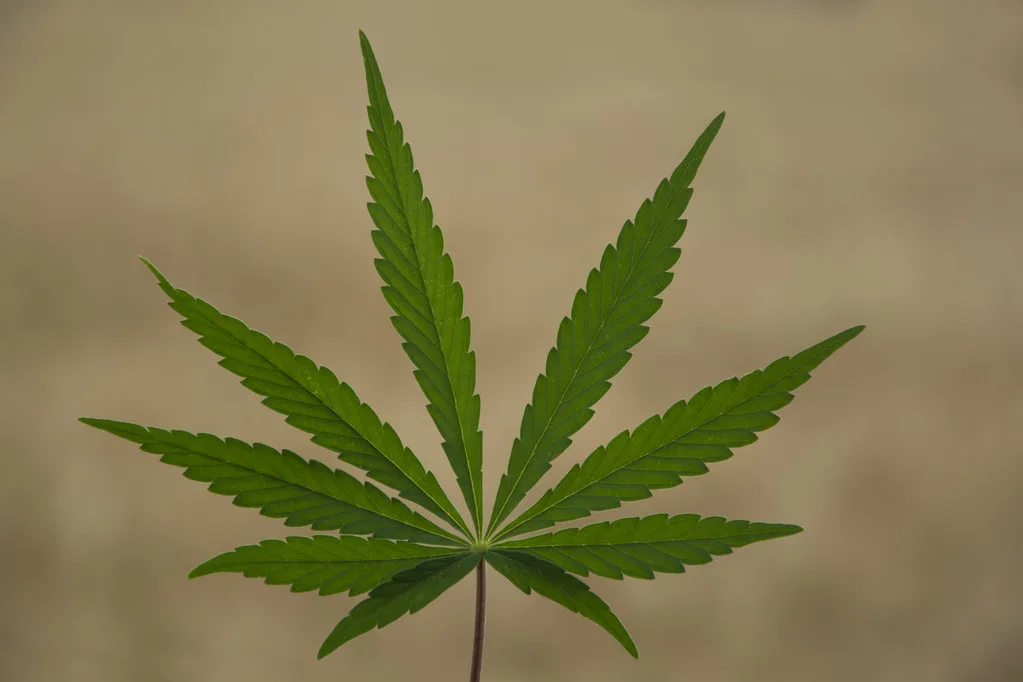
A growing number of countries have legalized or decriminalized marijuana in recent years, but in parts of the world, cannabis-related offenses can still carry the harshest possible punishment.
According to the latest global review from Harm Reduction International, 36 countries continue to retain the death penalty for drug offenses. In 2025, at least 1,212 people were executed for drug crimes worldwide, the highest number recorded since the organization began tracking the issue in 2007. That figure does not include confirmed totals from China, North Korea or Vietnam, where execution data remains largely secret.
While most drug-related executions involve substances such as heroin, methamphetamine or synthetic drugs, cannabis remains covered under drug trafficking laws in numerous countries where the death penalty is still legally available. In some jurisdictions, marijuana or hashish trafficking is specifically listed as a capital offense once certain weight thresholds are met. In others, cannabis is included under broader drug-trafficking statutes.
China
China has some of the world’s harshest drug laws, and cannabis trafficking can be punishable by death under broad provisions covering serious narcotics offenses.
Official execution figures are treated as a state secret, making it difficult to know how many people are executed for drug crimes each year. However, China is widely believed to carry out drug-related executions, including for trafficking offenses. Cannabis remains illegal and can be covered under the country’s severe anti-drug laws.
Iran
Iran continues to execute large numbers of people for drug offenses. In 2025, the country carried out at least 955 drug-related executions, nearly double the 2024 figure.
Iran’s laws allow the death penalty for high-volume trafficking involving cannabis and other drugs. Although available execution data does not always specify the substance in each case, cannabis remains covered under the country’s capital drug laws.
Saudi Arabia
Saudi Arabia executed 240 people for drug offenses in 2025, up from 122 in 2024.
The country’s courts may impose the death penalty for drug smuggling and trafficking, including cannabis and hashish cases. Drug-related executions are typically carried out under the kingdom’s strict anti-drug enforcement system.
Singapore
Singapore remains one of the clearest examples of a country where cannabis trafficking can directly lead to execution.
Under Singapore law, trafficking more than 500 grams of cannabis can trigger the mandatory death penalty. The country executed 15 people for drug offenses in 2025, following eight such executions in 2024.
Kuwait
Kuwait has resumed and expanded its use of capital punishment for drug crimes.
Two people were executed for drug offenses in 2025, and a new law that took effect in December broadened the range of drug offenses that can trigger the death penalty. Cannabis trafficking can be covered under Kuwait’s severe drug laws.
North Korea
North Korea treats drug trafficking as a serious crime that can result in the death penalty.
Because the country releases little reliable information about its legal system or executions, it is difficult to confirm specific cannabis-related cases. However, drug-related executions are believed to occur, and cannabis trafficking could be treated as a capital offense.
Vietnam
Vietnam allows the death penalty for major drug trafficking offenses, including cannabis trafficking at high quantities.
Execution data is not publicly released, and drug trafficking is believed to be one of the most common reasons for capital punishment in the country. Cannabis remains illegal and can fall under Vietnam’s capital drug laws.
Indonesia
Indonesia has not carried out an execution since 2016, but it continues to sentence people to death for drug trafficking.
In 2025, at least 143 people were sentenced to death for drug offenses, and more than 400 people were on death row for drug crimes. Indonesian law allows capital punishment for major drug trafficking, including high-volume cannabis cases.
Iraq
Iraq continues to sentence people to death for drug offenses.
The country has imposed death sentences in drug trafficking cases, and cannabis can fall under the broader category of illicit substances covered by Iraq’s severe anti-drug laws. Recent information on executions specifically tied to cannabis remains limited.
Laos
Laos retains the death penalty for drug offenses and continues to hand down death sentences in narcotics cases.
Cannabis is illegal and can be covered by the country’s capital drug laws, though recent publicly available information does not clearly show executions specifically for cannabis.
Malaysia
Malaysia remains a notable case because it ended the mandatory death penalty for drug trafficking in 2023. However, the death penalty itself was not fully abolished.
Judges may still impose death in drug cases, including cannabis trafficking, but now have discretion to choose lengthy imprisonment instead. At least nine people were sentenced to death for drug offenses in Malaysia in 2025.
Sri Lanka
Sri Lanka retains the death penalty for drug trafficking, but the country has not carried out executions since 1976.
Drug-related death sentences continue to be imposed, and cannabis can be covered by the country’s trafficking laws. However, the death penalty is not actively carried out.
Thailand
Thailand retains the death penalty for certain drug offenses, though cannabis policy has changed significantly in recent years.
Cannabis was decriminalized in 2022, but the country’s broader drug laws still allow capital punishment for certain serious narcotics offenses. Thailand is therefore part of the wider group of countries retaining the death penalty for drug offenses, though cannabis-specific enforcement has been altered by recent reforms.
Bangladesh
Bangladesh provides for the death penalty for certain drug trafficking offenses.
Cannabis is illegal, though the death penalty is more clearly tied to severe or large-scale drug trafficking. No recent executions for drug offenses have been confirmed.
Egypt
Egypt retains the death penalty for drug trafficking, including certain cannabis-related trafficking offenses.
Courts may impose death sentences in serious drug cases, but executions specifically for cannabis are not clearly documented in recent years.
Bahrain
Bahrain’s anti-drug laws allow the death penalty for trafficking.
Cannabis trafficking can be covered under the country’s drug laws, though recent executions for drug offenses have not been clearly documented.
Libya
Libya retains the death penalty for drug offenses.
Cannabis is illegal and may be covered under capital drug provisions. However, political instability and limited transparency make enforcement difficult to clearly assess.
Sudan
Sudan retains the death penalty for drug offenses.
Cannabis trafficking can fall under the country’s drug laws, but recent cannabis-specific death sentences or executions are not clearly documented.
United Arab Emirates
The United Arab Emirates allows the death penalty for drug trafficking.
Courts have issued severe sentences in drug cases, including cannabis-related cases, though executions for drug offenses are not known to be actively carried out. In practice, such sentences are often commuted or not implemented.
Yemen
Yemen retains the death penalty for drug offenses.
Cannabis trafficking can be covered by the country’s anti-drug laws, but ongoing conflict and limited reporting make it difficult to confirm recent cannabis-specific enforcement.
Algeria
Algeria was added to the global list in 2025 after amending its drug laws to introduce the death penalty for certain aggravated drug offenses.
The law does not appear to have produced confirmed drug-related death sentences yet, but the country now legally authorizes capital punishment for some drug crimes.
Maldives
The Maldives was also added to the global list in 2025.
A new law created mandatory capital punishment for importing illicit substances above certain quantities. No drug-related death sentences are known to have been imposed yet under the new law.
Brunei
Brunei retains some of the world’s strictest written drug laws, including the death penalty for cannabis trafficking above certain thresholds.
However, executions have not been carried out in decades, and the country is generally considered abolitionist in practice.
Cuba
Cuba retains the death penalty for serious drug crimes, including major trafficking.
The country has maintained a long-running de facto moratorium on executions, and no recent drug-related executions have been confirmed.
India
India allows the death penalty for certain repeat drug trafficking offenses, including large-scale trafficking involving cannabis.
However, courts rarely impose death in drug cases, and no recent drug-related executions have been carried out.
Jordan
Jordan allows the death penalty for repeat or serious drug trafficking offenses.
The punishment remains legally available, though executions for drug offenses are not known to be carried out in practice.
Mauritania
Mauritania retains the death penalty for drug offenses.
Cannabis trafficking may be covered under the country’s drug laws, but there is little evidence of active use of capital punishment for cannabis-related cases.
Myanmar
Myanmar retains the death penalty for high-level drug crimes, including trafficking.
The country resumed executions for some offenses in 2022 after decades without carrying them out, but recent executions for drug crimes have not been clearly confirmed.
Oman
Oman’s drug laws allow the death penalty for trafficking.
Cannabis is illegal and can be covered by these laws, though recent executions for drug offenses have not been documented.
Qatar
Qatar allows the death penalty for drug trafficking, including hashish or cannabis trafficking.
In practice, severe drug cases typically result in imprisonment rather than execution, and no recent drug-related executions are known.
South Korea
South Korea legally retains the death penalty, including for some serious drug offenses.
However, the country has not carried out any executions since 1997, making it abolitionist in practice.
South Sudan
South Sudan retains the death penalty for drug offenses.
Cannabis trafficking may be covered by the country’s laws, but public information on recent drug-related death sentences or executions is limited.
Taiwan
Taiwan allows the death penalty for certain large-scale drug trafficking offenses.
However, executions for drug crimes have not been carried out in recent years, and such sentences are generally not implemented for cannabis-related cases.
Syria
Syria is another country where available information remains limited.
The country has severe drug laws and retains capital punishment, but reliable recent information on cannabis-related death sentences or executions is difficult to confirm.
Pakistan
Pakistan is no longer counted as a country that currently authorizes the death penalty for drug offenses, after removing death as a possible punishment in 2023.
However, Harm Reduction International continues to include Pakistan in its global review because some people remained on death row for drug offenses as of early 2026, reflecting gaps between legal reform and resentencing.
Sponsors: