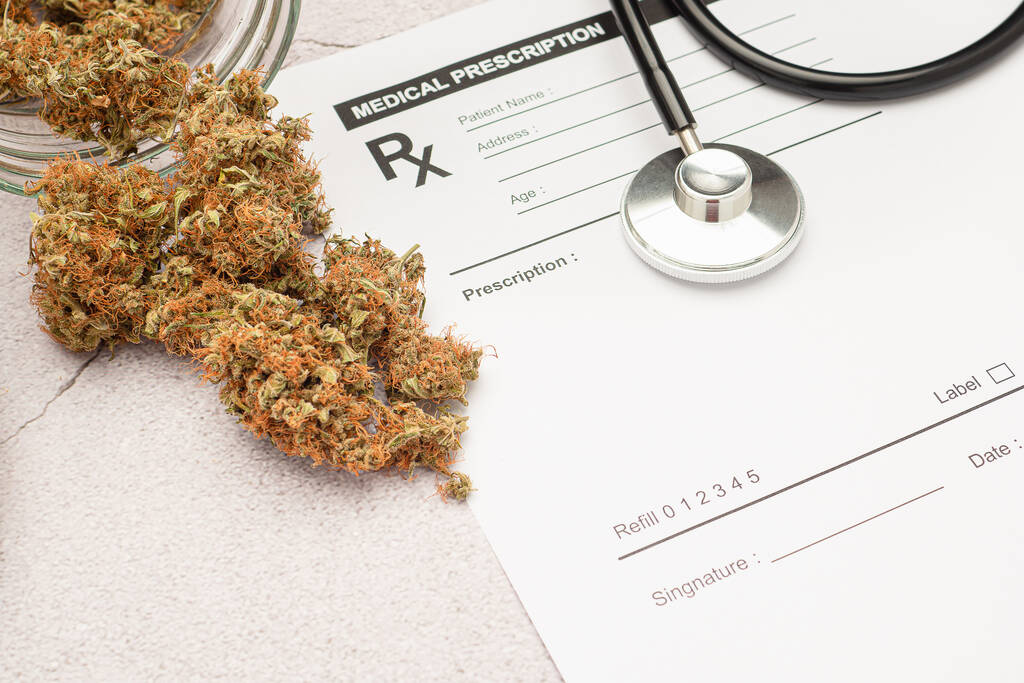
A proposed initiative to legalize medical marijuana in Idaho has failed to qualify for the November ballot despite organizers reporting that they collected more than twice the minimum number of signatures required statewide.
The Idaho Secretary of State’s Office announced Tuesday that the Idaho Medical Cannabis Act did not submit enough valid petition signatures to meet either of the state’s two qualification requirements.
To appear on the November 3 ballot, organizers needed valid signatures from approximately 6% of Idaho’s registered voters statewide, totaling roughly 70,700 signatures. The campaign also needed signatures from at least 6% of registered voters in no fewer than 18 of the state’s 35 legislative districts.
The Secretary of State’s Office did not provide the initiative’s final number of verified signatures or specify how many legislative districts reached the required threshold.
Organizers with the Natural Medicine Alliance of Idaho reported collecting more than 150,000 raw signatures before submitting petitions to county clerks for verification. However, signatures can be rejected for several reasons, including when a signer is not properly registered, signs more than once or lives outside the legislative district listed on the petition.
The campaign also lost nearly 900 signatures from Minidoka County after a contractor attempted to deliver petitions several minutes after the county clerk’s office had closed on the filing deadline. Organizers filed a lawsuit seeking to have the signatures counted, but a judge rejected the request. It is unclear whether those signatures would have changed the initiative’s final qualification status.
Had it qualified and received majority approval from voters, the Idaho Medical Cannabis Act would have established a regulated medical marijuana program beginning in 2027.
Patients diagnosed with conditions including cancer, epilepsy, multiple sclerosis, post-traumatic stress disorder, chronic pain, anxiety, Alzheimer’s disease and terminal illnesses would have been eligible to apply for a medical cannabis card.
The measure would have allowed cardholders to purchase smokable marijuana, inhalable products and certain ingestible products from licensed businesses. Cultivation, processing, testing, transportation and sales would have been regulated primarily by the Idaho State Board of Pharmacy and the Department of Health and Welfare.
The announcement came as the Secretary of State confirmed that the separate Reproductive Freedom and Privacy Act qualified for the ballot with 75,478 valid signatures across 20 legislative districts.
Idaho voters will also decide a legislatively referred constitutional amendment in November that would give the Idaho Legislature exclusive authority to legalize marijuana and other designated substances. If approved, the amendment would prevent future citizen initiatives from legalizing or decriminalizing marijuana, potentially eliminating the ballot initiative route used by medical cannabis supporters this year.
Idaho remains one of the nation’s most restrictive states regarding marijuana, with no comprehensive medical marijuana program, adult-use legalization law or statewide decriminalization policy.